Is Teeth Whitening Safe for Sensitive Teeth?
Teeth whitening can brighten a smile, but people with sensitive teeth often worry that bleaching will increase discomfort. The short answer is that professional whitening may be safe for many patients when the cause and severity of sensitivity are assessed first. The safest method depends on your enamel condition, gum health, existing dental work, and the whitening product selected.
Sensitivity during or after whitening usually feels like a brief sharp reaction to cold air, drinks, or sweet foods. It often occurs because peroxide-based products move through the enamel and temporarily irritate the dentin or dental nerves. This reaction is usually short-lived, but persistent or intense pain should never be dismissed as a normal part of cosmetic treatment.
At TruDent Clinics in Izmir, whitening is considered as part of a personalized dental plan rather than a one-size-fits-all procedure. An examination can identify issues that need attention before cosmetic treatment, helping patients choose a brighter smile without overlooking underlying dental concerns.
How Tooth Sensitivity Affects Whitening
Sensitive teeth do not automatically rule out bleaching. The important question is why the teeth are sensitive. Some people have naturally thin enamel, while others experience sensitivity because of gum recession, exposed tooth roots, worn fillings, enamel erosion, cavities, or tiny cracks. Whitening can make these conditions feel more noticeable.
Peroxide is the active ingredient in many professional and over-the-counter whitening products. It breaks down stain molecules within the tooth structure, but it can also temporarily affect the fluid movement inside dentinal tubules. When the nerve responds to this change, a short, sharp sensation may occur.
The intensity of the reaction varies between patients. A person with mild, occasional sensitivity may tolerate supervised whitening well, while someone with untreated decay or severe nerve pain may need dental treatment before any cosmetic procedure. A dental examination provides a safer starting point than choosing a high-strength product independently.
Why Teeth Become Sensitive
External stains commonly come from coffee, tea, red wine, tobacco, and strongly coloured foods. These stains may respond well to professional whitening because they sit on or near the outer tooth surface. However, age-related darkening, trauma, certain medications, and fluorosis can create deeper or more complex discoloration that may respond differently.
Gum recession is another frequent cause of discomfort. When the gum line moves downward, the root surface becomes exposed. Roots do not have the same protective enamel covering as the crown of the tooth, so bleaching ingredients can reach sensitive areas more easily. Abrasive toothpaste and aggressive brushing may worsen this problem.
A cavity, leaking filling, fractured tooth, or inflamed pulp can also cause sensitivity. Whitening will not correct these conditions and may aggravate symptoms. Pain that lingers after cold or heat, occurs without a trigger, or affects one particular tooth should be evaluated before cosmetic whitening is considered.
Choosing A Gentler Whitening Method
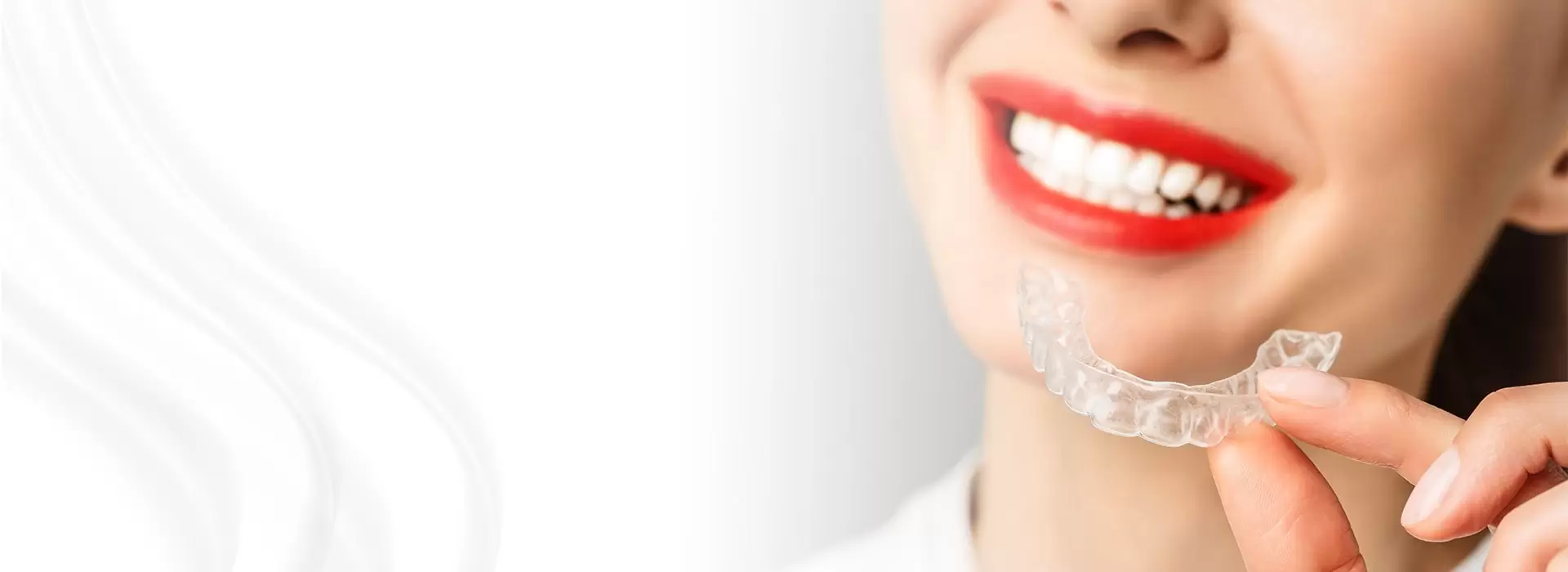
Professional in-office whitening can provide a controlled treatment environment and allow the dental team to adjust the process for sensitive teeth. The clinician may use a lower concentration, shorten application time, protect the gums carefully, or divide treatment into separate appointments. A custom take-home tray can also be useful because it delivers whitening gel more evenly than a poorly fitting generic tray.
Desensitizing ingredients such as fluoride and potassium nitrate may be recommended before or after treatment. These products can help reduce nerve response and strengthen the tooth surface, although they do not guarantee that sensitivity will be completely prevented. Following the prescribed application time is essential because leaving a product on longer does not necessarily produce a better result.
LED or light-activated systems are often marketed as faster, but the light itself does not automatically make whitening safer. Product concentration, exposure time, gum protection, and the condition of the teeth have a greater influence on comfort. A dentist should assess the complete protocol rather than focusing on the equipment alone.
| Whitening approach |
Potential benefit |
Sensitivity considerations |
| Professional in-office whitening |
Controlled application and rapid visible results |
May cause temporary sensitivity; settings can often be adjusted |
| Dentist-supervised take-home trays |
Gradual whitening with flexible scheduling |
Custom fit helps limit gel contact with gums |
| Pharmacy whitening strips |
Convenient and widely available |
Fit and strength vary; may irritate gums or sensitive areas |
| Whitening toothpaste |
Helps remove surface stains |
Abrasive formulas may worsen enamel wear or gum sensitivity |
| Cosmetic restorations |
Can improve the appearance of teeth that do not bleach evenly |
Requires assessment and does not lighten natural tooth structure |
What Happens During A Professional Assessment
A consultation usually begins with a review of your dental history and a discussion of what you want to change. The dentist may ask about sensitivity triggers, previous whitening, brushing habits, diet, medications, and existing restorations. These details help distinguish temporary sensitivity from a symptom that needs diagnosis.
The teeth and gums are then examined for decay, cracks, gum recession, enamel wear, plaque, and defective fillings. Professional cleaning may be recommended if surface deposits are affecting the shade or irritating the gum line. In some cases, dental X-rays or additional tests are appropriate, particularly when pain is localized or persistent.
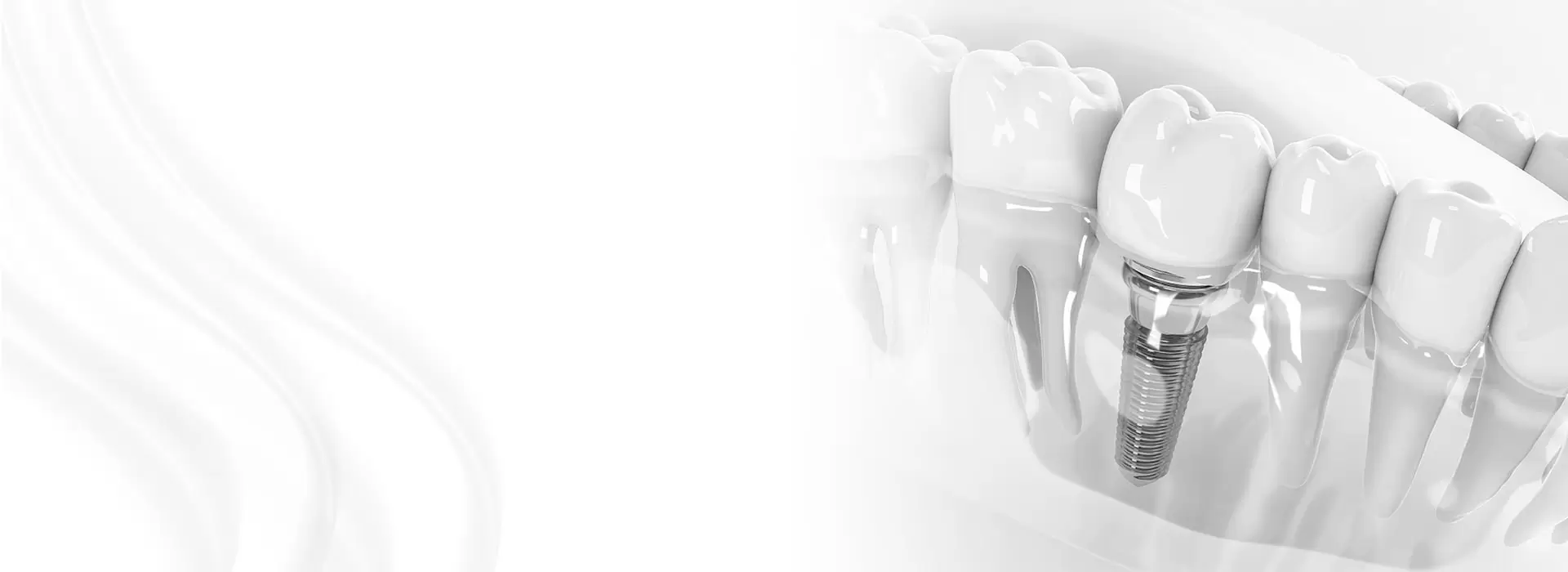
The dentist can also explain what whitening can and cannot change. Crowns, veneers, fillings, and implant restorations do not respond to peroxide in the same way as natural enamel. If visible restorations are already present, whitening may need to be planned before replacing them so the new shade can be matched more accurately.
Preparing For A More Comfortable Treatment
Good preparation can reduce the likelihood of discomfort. A dentist may suggest using a desensitizing toothpaste for several days before whitening and avoiding very cold or acidic foods immediately before treatment. Brushing should be gentle, with a soft-bristled toothbrush and a non-abrasive fluoride toothpaste.
During treatment, the gums should be protected and the whitening gel kept within the intended area. If discomfort develops, tell the dental team rather than trying to endure it silently. The appointment can often be paused, adjusted, or divided into shorter sessions.
After whitening, temporary sensitivity is more likely if you consume ice-cold drinks, acidic fruit, fizzy beverages, or very hot foods. Choose lukewarm items for a short period and follow the aftercare instructions provided by the clinic. Avoid using additional whitening products at home unless they are part of the agreed plan.
When Whitening Should Be Delayed
Whitening may need to wait if you have untreated cavities, active gum disease, exposed roots with significant pain, cracked teeth, or an inflamed dental nerve. Treating these conditions first can improve comfort and protect the long-term health of the smile. The same applies when sensitivity is severe, spontaneous, or lasting for a long time after a stimulus.
Patients with extensive fillings, veneers, crowns, or implant restorations should receive shade planning before whitening. Natural teeth may become lighter while restorations remain unchanged, creating a mismatch. A cosmetic dentist can discuss whether whitening, restoration replacement, bonding, or a combination of treatments is the most predictable option.
Pregnant or breastfeeding patients, people with a history of strong reactions to whitening products, and those taking medication that affects oral tissues should discuss their circumstances with a dental professional. Individual advice is more reliable than assuming that a product is appropriate because it is sold without a prescription.
Practical Steps For Sensitive Smiles
A safer whitening experience begins with small, consistent decisions rather than stronger products. Consider these recommendations:
- Arrange a dental examination before whitening, especially if sensitivity is new, severe, or limited to one tooth.
- Use a dentist-recommended fluoride or desensitizing toothpaste before and after treatment.
- Choose a custom tray or professionally monitored whitening system instead of combining several retail products.
- Follow the exact treatment duration and stop if pain becomes intense or continues beyond the expected period.
- Protect the result by moderating coffee, tea, tobacco, and acidic drinks while maintaining regular brushing and cleaning appointments.
Whitening should enhance healthy teeth, not mask symptoms that require treatment. When sensitivity is managed carefully, many patients can achieve a brighter shade with minimal short-term discomfort and realistic expectations about maintenance.
If you are considering teeth whitening in Izmir and have sensitive teeth, TruDent Clinics can assess your smile, identify possible causes of discomfort, and create a treatment plan suited to your dental condition. Schedule a consultation to discuss professional whitening, desensitizing care, or alternative cosmetic options with the clinic’s dental team.