Teeth Whitening With Existing Crowns And Bridges
Teeth whitening is a popular way to refresh a smile, whether you are preparing for a wedding in Melbourne, updating your appearance before a business event in Sydney, or simply wanting a brighter look. If you already have dental crowns or a fixed bridge, however, the treatment requires a little more planning than applying whitening gel to natural teeth.
The key point is that professional and over-the-counter whitening products change the colour of natural enamel. They do not bleach porcelain, ceramic, zirconia, composite resin or metal-based dental restorations. Your crowns and bridges may remain exactly the same shade while the surrounding teeth become lighter.
This does not automatically mean whitening is unsafe. In many cases, it can be performed comfortably after a dentist checks your teeth, gums and existing restorations. The main concern is usually colour mismatch, along with sensitivity or gum irritation if peroxide products are used incorrectly.
A dental assessment is especially useful if you live in Australia and are comparing treatment through a local practice, private health extras cover or an overseas clinic. A dentist can explain whether whitening is suitable now, whether a restoration may need replacement later, and how to achieve an even result.
How Whitening Affects Crowns And Bridges
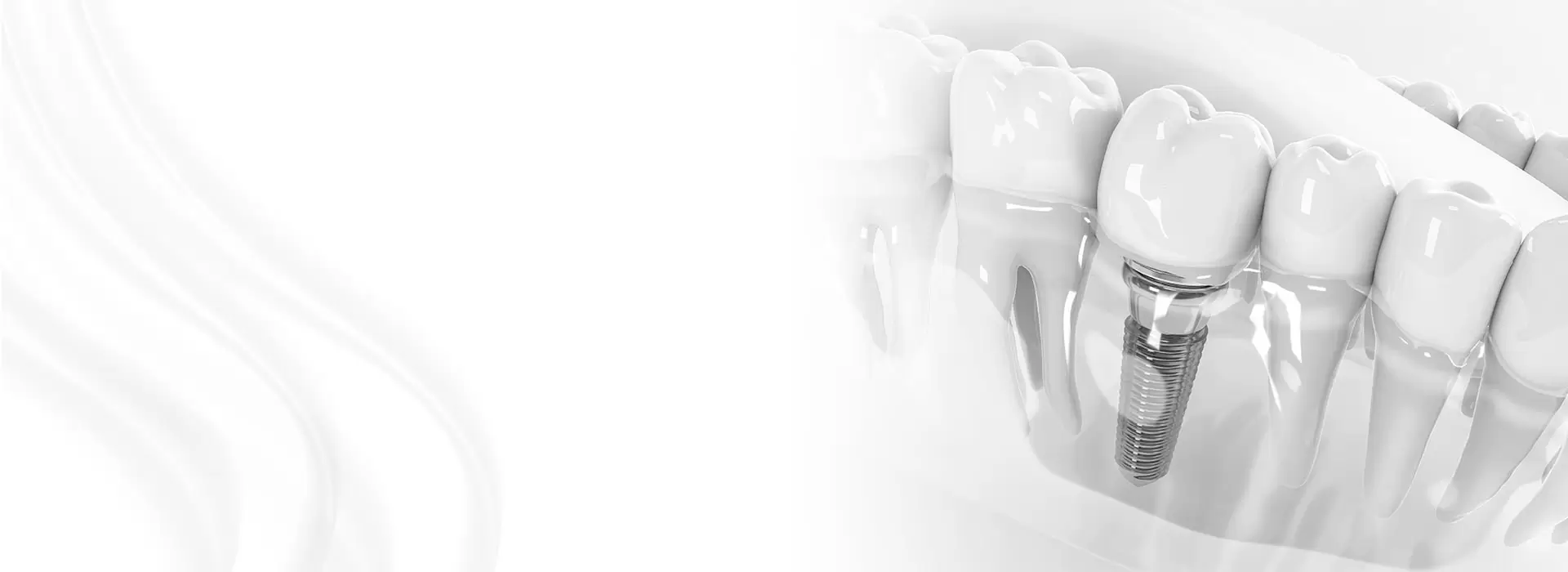
Crowns cover an entire tooth above the gum line, while bridges replace one or more missing teeth and are supported by neighbouring teeth or implants. Their visible surfaces are made from materials designed to resist staining and retain their manufactured colour. Whitening gel generally cannot penetrate these materials in the same way it penetrates natural enamel.
If your crown or bridge is already a close match to your teeth, whitening may produce a pleasing result. If it is darker, yellower or more opaque than the natural teeth beside it, bleaching can make the difference more obvious. The change may be most noticeable on front teeth, where even a small shade variation can affect the appearance of your smile.
A bridge also needs assessment at its margins, where it meets the gums and supporting teeth. Plaque accumulation, gum inflammation or decay around these areas should be addressed before cosmetic whitening. Whitening does not repair weakened teeth, leaking restorations or gum disease.
When Whitening Is Generally Considered Safe
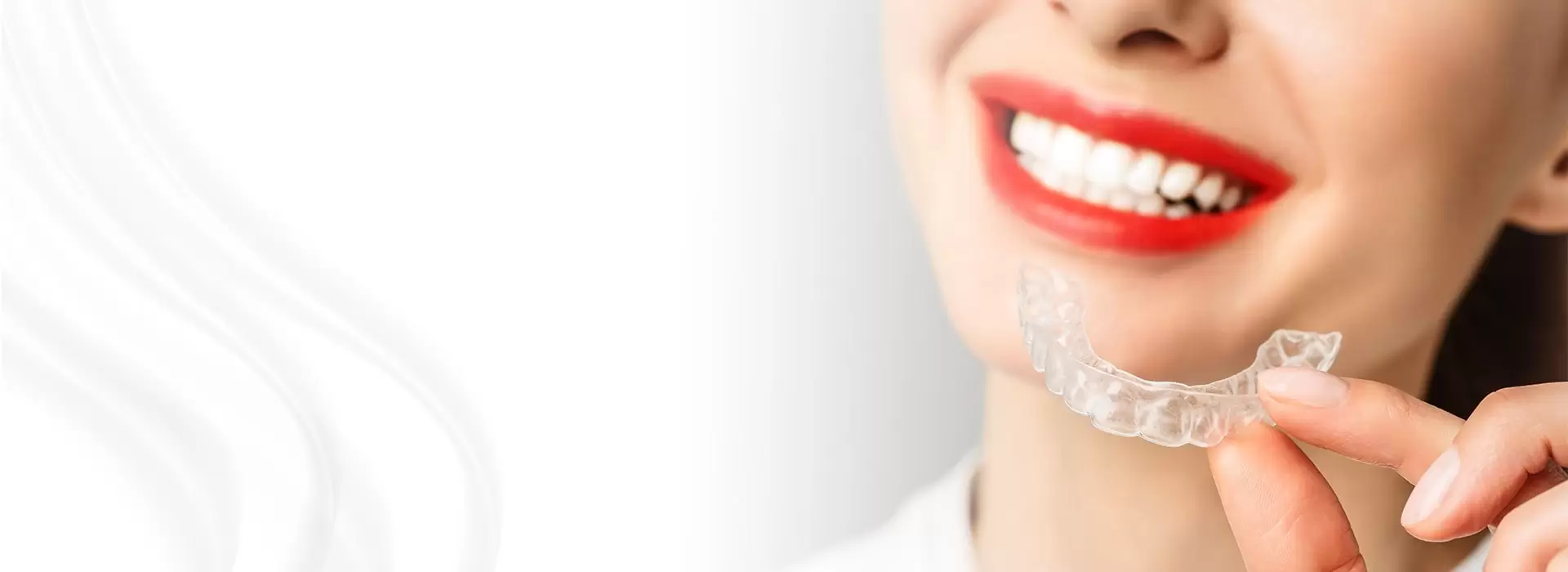
Dentist-supervised whitening is usually considered low risk for suitable patients with healthy teeth and gums. Products may contain hydrogen peroxide or carbamide peroxide at controlled concentrations, and your dentist can select the strength, application time and delivery method. Custom trays can help keep gel away from the gum margins and reduce accidental overuse.
Temporary tooth sensitivity is the most common side effect. You may also experience tender gums, particularly if a tray does not fit correctly or excess gel contacts the soft tissues. These effects usually settle after treatment is paused, but severe, persistent or localised pain should be assessed rather than ignored.
Whitening may be postponed if you have untreated cavities, cracked teeth, active gum disease, exposed roots or significant enamel wear. A recent crown or bridge should also be checked to confirm that it is stable and that the surrounding tissues have healed. A dentist can recommend desensitising products or a gentler schedule where appropriate.
The Colour-Matching Problem
Whitening cannot lighten an existing crown or bridge, so the final shade depends on the colour of the restoration and the natural teeth around it. This is particularly important when a crown or bridge is visible in the smile zone. Whitening first may reveal that the restoration now looks darker by comparison.
For patients planning a new crown, veneer or bridge, dentists commonly recommend completing whitening before the shade is selected. The natural teeth need time to settle after bleaching, often around one to two weeks, before a laboratory chooses the final ceramic colour. This helps the new restoration blend with the intended result.
If you already have a mismatched front restoration, options may include accepting a subtle difference, whitening the natural teeth and reviewing the appearance, or replacing the restoration after the new shade has stabilised. Replacement is an elective restorative procedure, so the benefits, cost and expected lifespan should be discussed carefully.
Preparing For Treatment In Australia
Australian patients may encounter different whitening choices, from dentist-provided take-home trays to in-chair treatments and retail whitening kits. Products sold through pharmacies, beauty services or online marketplaces may vary in concentration and instructions. The Australian Dental Association encourages consumers to seek professional advice, particularly when restorations, sensitive teeth or gum problems are involved.
The local market also includes patients travelling between cities or combining care with overseas dental treatment. Someone living in Brisbane may have a crown placed in Australia, while another patient from Perth or Adelaide may be considering treatment in Izmir. Keeping accurate records of restoration materials, dates and previous shade information helps dentists coordinate safe, consistent care.
Private health insurance extras policies may contribute to some dental services, but cosmetic whitening is often excluded or only partly covered. Before booking, check the relevant item numbers, waiting periods and annual limits with your insurer. A consultation can separate the cost of whitening from any future restorative work, such as replacing a visible crown.
Comparing Whitening And Restoration Options
The right approach depends on whether your priority is a brighter natural smile, a uniform shade or the health of an existing crown or bridge. Whitening is often the least invasive option, but it has limitations when restorations are prominent or already discoloured.
| Option |
Effect on Natural Teeth |
Effect on Existing Crowns or Bridges |
Common Reason To Choose It |
| Dentist-supervised whitening |
Lightens enamel by a controlled amount |
Usually no colour change |
Brightening healthy natural teeth |
| Over-the-counter whitening kit |
May lighten teeth unevenly |
No reliable lightening effect |
Lower-cost, limited cosmetic change |
| In-chair whitening |
Faster visible change |
Does not bleach restorations |
A short treatment schedule |
| Polishing and stain removal |
Removes some surface stains |
Can clean selected external stains |
Maintenance after coffee, tea or tobacco |
| Replacement crown or bridge |
Does not whiten the tooth itself |
Allows a new shade to be selected |
Correcting a visible mismatch |
| Veneer or other cosmetic restoration |
Covers the front surface of a tooth |
May coordinate with a planned smile makeover |
Addressing shape, colour and minor damage together |
Surface stains on a crown or bridge can sometimes be removed through professional cleaning, although the result depends on the material and condition of the restoration. Abrasive household products, lemon juice, baking soda or aggressive brushing can scratch surfaces, irritate gums or make staining more noticeable over time.
For people considering several cosmetic treatments, a staged plan is usually more predictable. The dentist may first treat decay or gum concerns, then whiten natural teeth, assess the settled shade and finally decide whether a visible crown, bridge, veneer or implant crown should be updated.
Practical Steps For A More Even Smile
A consultation should include an examination of your teeth, gums, bite and restorations, along with a conversation about the shade you want. Bring details of when your crown or bridge was placed if you have them. Photographs or previous dental records can help when care has been provided by different clinics.
These steps can support a safer, more predictable result:
- Arrange a dental examination before using peroxide whitening.
- Tell the dentist about crowns, bridges, veneers, implants and tooth-coloured fillings.
- Treat cavities, gum inflammation and cracked teeth before cosmetic bleaching.
- Whiten natural teeth before selecting a new visible crown or bridge.
- Use dentist-prescribed trays and follow the recommended wear time.
- Avoid abrasive home remedies and unregulated high-strength products.
- Maintain the result with professional cleaning, good brushing and sensible stain control.
After whitening, limit frequent exposure to strongly staining drinks such as coffee, black tea and red wine, particularly during the first few days. Smoking and vaping can also contribute to discolouration and gum irritation. Regular cleaning appointments are useful for monitoring the margins of crowns and bridges as well as maintaining natural tooth surfaces.
TruDent Clinics can assess your existing restorations and create a personalised plan based on your smile goals, dental health and treatment history. If you are travelling from Australia to Izmir, request a clear treatment sequence and written estimate before arranging restorative work. A remote preliminary discussion may help determine whether an in-person examination is appropriate.
Whitening can be a safe option when your teeth and gums are healthy, but it will not change the colour of an existing crown or bridge. Book a consultation with TruDent Clinics to review your restorations, discuss realistic shade expectations and plan the most suitable route to a balanced, natural-looking smile.