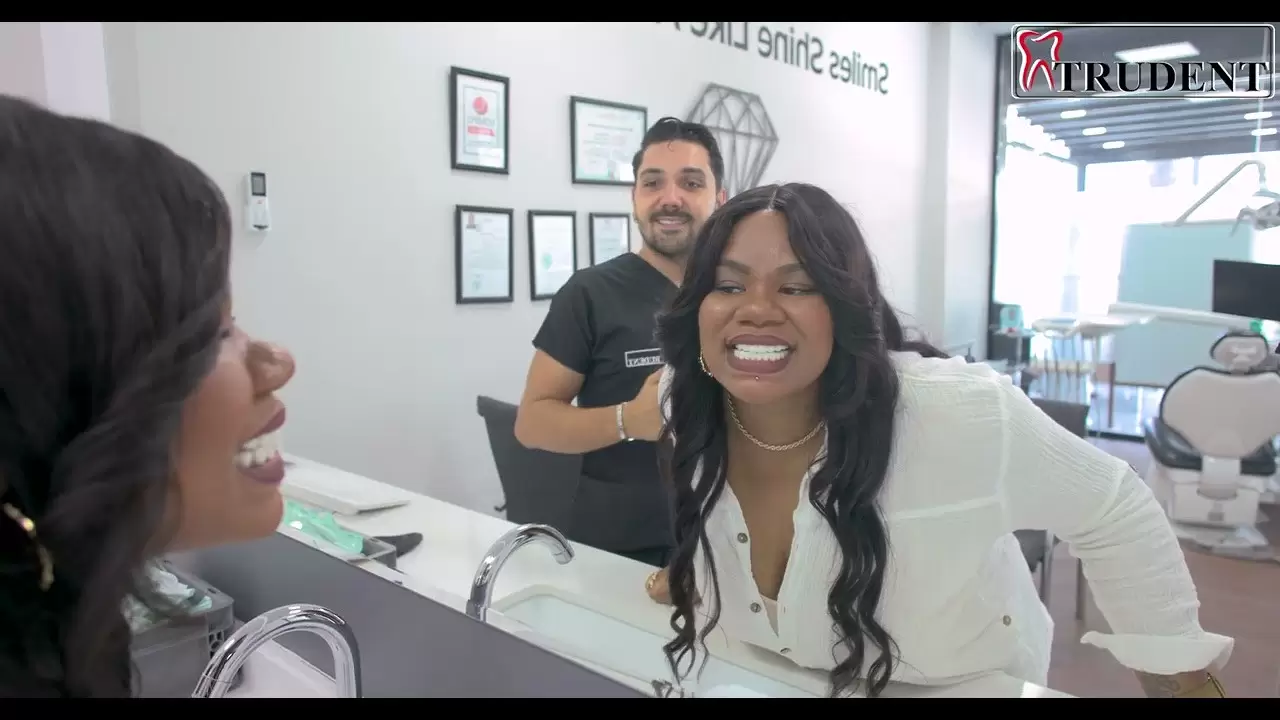
Smile Makeover Before And After Case Studies
A smile makeover can transform more than the appearance of teeth. It may improve tooth proportions, brighten a dull shade, restore worn edges, close visible spaces, or create a more balanced relationship between the teeth, gums, and lips. Because every smile has different needs, the ideal treatment is rarely a standard package.
At TruDent Clinics in Izmir, Turkey, cosmetic dentistry begins with an assessment of the patient’s oral health, facial features, expectations, and long-term goals. Veneers, crowns, professional whitening, invisible aligners, dental implants, and gum-focused treatments may be used separately or combined in a personalized plan.
Before-and-after photographs can help patients understand possible outcomes, but they should be viewed as examples rather than promises. The most successful results respect the natural structure of the mouth and are designed to remain comfortable, functional, and suitable for the patient’s lifestyle.
What A Smile Makeover Can Change
A cosmetic dental transformation may address several concerns at the same time. Discolored enamel can often be improved with professional whitening, while chipped or uneven teeth may benefit from composite bonding, porcelain veneers, or carefully designed crowns. Small gaps and mild crowding can sometimes be managed with clear aligners before restorative treatment begins.
The goal is not simply to make teeth look whiter. Dentists also evaluate the shape and length of each tooth, the visibility of the gums, the curve of the smile, facial symmetry, and the way the upper and lower teeth meet. These details determine whether the final result looks natural or appears overly uniform.
Healthy foundations are essential before cosmetic work starts. Cavities, gum inflammation, cracked teeth, and bite problems may need treatment first. In some cases, a smile enhancement includes restorative dentistry, such as replacing a missing tooth with an implant or strengthening a weakened tooth with a crown.
Case Study: Restoring Balance And Brightness
A common smile makeover case involves a patient with mildly worn front teeth, an uneven incisal edge, and yellowing that did not respond well to over-the-counter whitening products. The patient wanted a brighter smile but did not want an extremely opaque or artificial appearance.
The assessment showed that the teeth were generally healthy, although the edges had become shorter over time. A conservative plan could include professional whitening followed by minimal-preparation veneers on selected visible teeth. The dentist would use digital scans, photographs, and a temporary preview to assess tooth length, shade, and proportion before final ceramics were produced.
In a case like this, the before-and-after difference is usually visible through greater uniformity rather than a dramatic change in facial appearance. The smile may look fresher and more symmetrical, while carefully selected translucency allows the veneers to resemble natural enamel. The patient also receives guidance on night-time protection if grinding or clenching contributed to the original wear.
The result depends on maintaining healthy gums and using suitable home care. Porcelain is stain resistant, but the natural teeth around it can still change shade. Regular hygiene appointments, a non-abrasive toothpaste, and attention to biting habits help preserve the visual harmony of the completed smile.
Case Study: Closing Gaps And Replacing Missing Teeth
Another type of treatment involves spaces between teeth, an irregular bite, or a missing tooth that affects both appearance and chewing. A patient may initially request veneers, but veneers are not always the most appropriate first choice when tooth movement or missing-tooth replacement is involved.
For mild spacing or crowding, invisible aligners may gradually improve tooth position while preserving natural enamel. Once alignment is complete, whitening or small additions of composite resin may be enough to refine the smile. This approach can be more conservative than covering several healthy teeth with veneers.
A missing front or side tooth requires a different sequence. Depending on bone volume and gum health, the treatment may include an implant, an implant-supported crown, or another restorative option. The visible crown is designed to match the color, shape, and position of neighboring teeth. Healing time and any required bone or gum procedures must be considered when establishing the schedule.
Patients traveling for care should understand each stage before booking flights. Information about dental tourism in Izmir can help explain practical considerations such as consultations, treatment planning, accommodation, and follow-up arrangements. A well-organized timeline should allow enough time for diagnosis, laboratory work, healing, and any necessary review appointments.
Comparing Treatment Pathways
Different cosmetic concerns call for different techniques. The most suitable option depends on enamel condition, tooth position, bite forces, gum health, the number of teeth involved, and the patient’s desired timeframe. A consultation helps distinguish between a quick aesthetic adjustment and a more comprehensive rehabilitation.
| Primary concern |
Common treatment options |
Typical purpose |
Important consideration |
| Deep discoloration |
Professional whitening or veneers |
Improve tooth shade |
The cause of discoloration should be assessed first |
| Minor chips or uneven edges |
Composite bonding or veneers |
Refine shape and symmetry |
Bonding may require more frequent maintenance |
| Mild crowding or spacing |
Invisible aligners |
Move teeth into a healthier position |
Treatment must be completed before final restorations |
| Severely weakened teeth |
Crowns |
Restore strength and appearance |
Healthy tooth structure should be preserved where possible |
| One or more missing teeth |
Dental implants and crowns |
Restore function and visible tooth structure |
Bone, gum health, and healing time affect the plan |
| Multiple concerns |
Combined smile makeover |
Coordinate shade, shape, alignment, and function |
Staging may be safer than completing everything at once |
The table provides a general guide, not a diagnosis. Two people with similar-looking smiles may need entirely different treatments because their enamel thickness, bite, gum condition, or previous dental work differs. This is why high-quality before-and-after planning includes clinical examination as well as photographs.
How Before And After Results Are Planned
Predictable cosmetic dentistry starts with communication. Patients should explain what they dislike about their smile, show examples of results they prefer, and describe practical priorities such as treatment speed, budget, maintenance, or avoiding extensive tooth preparation. Dentists then assess what can be achieved safely.
Digital impressions and photographic records help the dental team study the smile from several angles. In some cases, a digital design or temporary mock-up allows the patient to preview changes before irreversible treatment. This stage can reveal whether the proposed teeth look too long, too bright, too broad, or out of balance with the lips.
Shade selection also requires care. A very bright shade may look attractive in a photograph but unnatural in everyday light. The final color should suit the patient’s complexion and facial features while matching any existing crowns or implants that will remain visible. The dentist may also recommend treating the gums or aligning teeth before choosing the final restoration shade.
The “after” stage is not the end of the process. Patients need clear instructions about eating, brushing, flossing, retainers, bite guards, and review appointments. Follow-up is particularly important when a makeover combines orthodontics, veneers, crowns, implants, or gum treatment.
Protecting A Long-Term Smile Result
A cosmetic result can last for many years when the mouth is cared for consistently. Daily brushing with a soft-bristled toothbrush, cleaning between teeth, and attending professional hygiene appointments help prevent plaque-related gum problems. Gum health is especially important because recession or inflammation can change the appearance of otherwise attractive restorations.
Habits can also affect durability. Biting pens, opening packages with the teeth, chewing ice, and regularly consuming very hard foods may damage natural teeth or restorations. Patients who grind or clench may benefit from a custom night guard, particularly after receiving veneers or crowns.
Smoking and frequent exposure to staining drinks can influence the appearance of natural enamel and the gum tissues. Coffee, tea, red wine, and strongly colored foods do not usually stain high-quality porcelain in the same way they stain natural teeth, but the margins and neighboring teeth still require attention.
If a restoration chips, feels loose, or changes the bite, professional advice should be sought promptly. Trying to repair or adjust it at home can create additional damage. Routine examinations allow the dentist to identify small problems before they become more complex.
Recommendations For A Predictable Result
- Choose a treatment plan based on oral health, facial balance, and function rather than photographs alone.
- Ask whether whitening, aligners, bonding, veneers, crowns, or implants should be completed in a specific sequence.
- Request a preview, mock-up, or digital design when changes to tooth length, shape, or shade are significant.
- Discuss maintenance, night guards, replacement timelines, and follow-up care before treatment begins.
- Provide a complete medical and dental history, including grinding, previous restorations, gum problems, and medication use.
A successful smile transformation should feel comfortable when speaking, smiling, and chewing. It should also fit the patient’s expectations about maintenance and appearance. The best before-and-after cases are those in which the final smile looks individual rather than copied from a template.
TruDent Clinics can evaluate cosmetic and general dental needs together, whether the priority is subtle whitening, veneers for several teeth, clear aligners, restorative crowns, or implant-supported replacement. Schedule a consultation in Izmir to discuss your current smile, review suitable options, and receive a treatment plan designed around your health and goals.