Same-Day Crowns With CAD/CAM: A Smarter Dental Restoration
A damaged, weakened, or heavily filled tooth can affect more than appearance. It may become sensitive, difficult to clean, or vulnerable to further fracture. A dental crown restores the tooth’s shape and strength while creating a more natural-looking smile. With digital dentistry, many patients can receive this restoration in a single appointment rather than returning several times over multiple weeks.
Same-day crowns using CAD/CAM combine digital impressions, computer-aided design, and precision milling. The process reduces the need for traditional impression materials and allows the dentist to design, produce, adjust, and bond the crown in the clinic. This streamlined approach can be especially convenient for patients with busy schedules or those travelling for dental treatment in Izmir.
Speed is one of the clearest advantages, but it is not the only consideration. The quality of the preparation, the suitability of the tooth, the selected ceramic, and the dentist’s clinical judgment all influence the result. A careful examination is therefore essential before deciding whether chairside crown treatment is appropriate.
How The Digital Crown Workflow Works
The process usually begins with a comprehensive dental examination. The dentist checks the tooth, surrounding gums, bite, and any signs of infection or structural damage. Digital X-rays or other imaging may be used when deeper evaluation is needed. If the tooth requires root canal treatment, gum care, or additional strengthening, those needs should be addressed before the final crown is designed.
After the damaged portion is removed and the tooth is prepared, an intraoral scanner captures a detailed three-dimensional image. This replaces the conventional tray impression that some patients find uncomfortable. The digital file records the shape of the prepared tooth, neighbouring teeth, and opposing bite, giving the dentist an accurate foundation for the restoration.
CAD software is then used to design the crown according to the patient’s anatomy and aesthetic goals. The approved design is sent to a milling unit, which shapes a ceramic block into the restoration. The dentist checks the fit, colour, contact points, and bite before polishing, characterising, and bonding the crown securely to the tooth.
Why A Single Visit Can Be More Convenient
Traditional crown treatment often involves a preparation appointment, a temporary crown, a laboratory manufacturing period, and a second appointment for placement. During that waiting period, the temporary restoration can loosen, crack, or feel uncomfortable. Patients may also need to modify their diet and take extra care when brushing and flossing.
A same-day workflow can reduce these interruptions. Once the tooth is prepared, the digital design and milling process can often be completed within the clinic visit, depending on the case and equipment. Patients leave with a permanent restoration rather than relying on a temporary solution while an external laboratory completes the work.
This can be valuable for people with demanding work commitments, limited availability, or travel plans. It may also help patients who live outside Izmir and prefer to coordinate dental care within a shorter stay. However, “same-day” refers to the potential treatment schedule, not a guarantee for every patient. Complex cases may still require additional visits or laboratory support.
Clinical Benefits Beyond Saving Time
Digital impressions can make the treatment experience more comfortable and can improve communication between the dentist and patient. The scanned image may be displayed on a screen, allowing the patient to understand the tooth’s condition and see how the proposed crown relates to the rest of the smile. Digital records can also be stored for future reference and comparison.
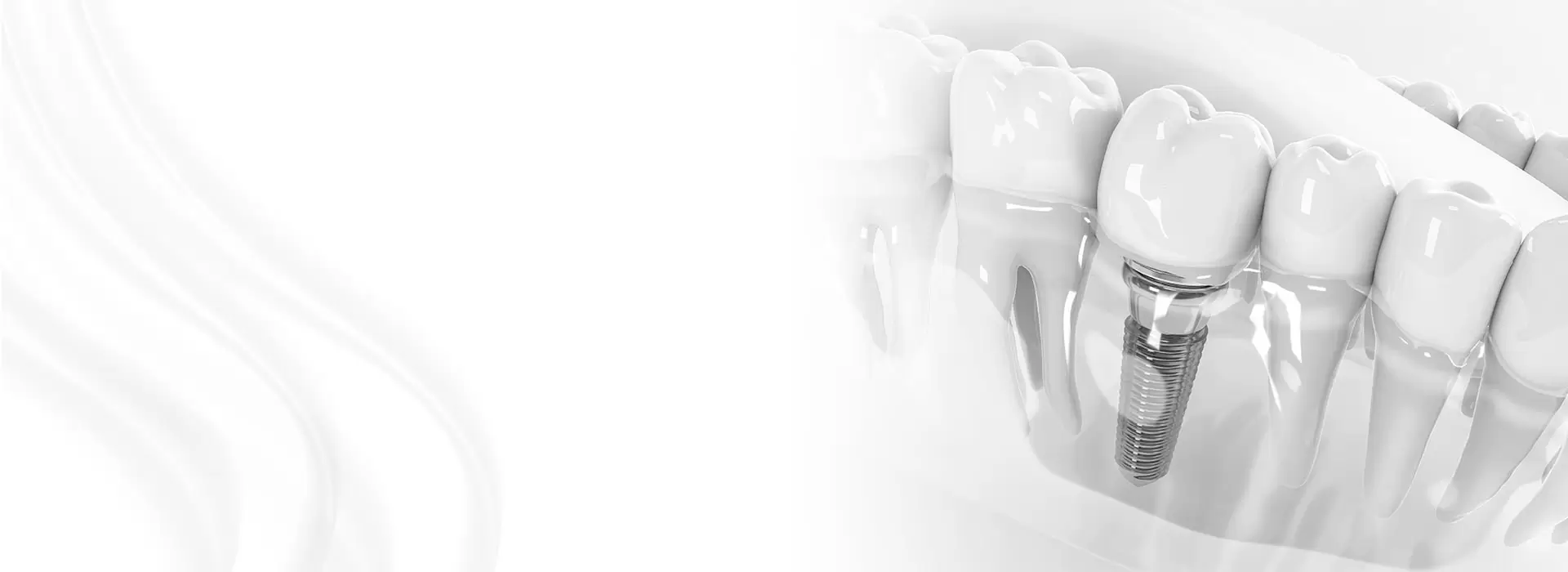
CAD/CAM design provides a controlled way to plan the crown’s contours and contacts. The restoration can be shaped to support comfortable chewing, maintain the natural spacing between teeth, and complement facial appearance. When the preparation and bonding are performed correctly, a well-made ceramic crown can offer durable protection for a compromised tooth.
Many chairside systems use high-strength ceramic materials that can be selected according to the tooth’s location and functional demands. A front tooth may require particular attention to translucency and shade, while a molar must withstand stronger chewing forces. Material choice should be based on clinical needs rather than appearance alone.
Comparing Digital And Traditional Crown Treatment
Both digital chairside crowns and conventional laboratory crowns can produce successful results. The right option depends on the tooth, the extent of damage, the desired material, the available technology, and the dentist’s experience. A traditional laboratory may remain preferable for highly complex designs, extensive bridges, certain implant restorations, or cases requiring specialised ceramic layering.
| Consideration |
CAD/CAM chairside crown |
Traditional laboratory crown |
| Impressions |
Usually captured digitally |
Often uses physical impression materials |
| Typical workflow |
Design and milling may occur during one visit |
Usually involves preparation, temporary crown, and later fitting |
| Temporary restoration |
May be unnecessary |
Commonly used while the crown is produced |
| Design adjustments |
Can be made digitally before milling |
Often coordinated through the dental laboratory |
| Material choices |
Commonly includes chairside ceramic options |
Broad range of ceramics and laboratory techniques |
| Best suited to |
Selected single-tooth restorations and time-sensitive care |
Complex cases or restorations needing specialised laboratory work |
The comparison should focus on predictable care rather than speed alone. A fast restoration is beneficial when it meets the requirements for fit, function, gum health, and appearance. A dentist may recommend a different pathway if the tooth has insufficient structure, an unstable bite, severe gum disease, or a need for more extensive reconstruction.
Who May Benefit From Same-Day Crowns
Patients with a cracked tooth, a large failing filling, significant decay, or a worn dental crown may be candidates for a CAD/CAM restoration. The tooth must usually have enough healthy structure to support the crown, and the gums should be stable enough to allow accurate scanning and reliable bonding.
The treatment can also suit patients who want to replace an older, discoloured, or damaged crown without committing to a lengthy sequence of appointments. For patients considering a broader smile makeover, individual crowns can sometimes be coordinated with veneers, whitening, or other cosmetic dentistry treatments to create a balanced shade and shape.
Same-day treatment is not suitable for every situation. A tooth with an active infection, extensive fracture below the gum line, insufficient support, or severe movement may require another form of care. In some cases, an onlay, filling, root canal procedure, implant, or extraction may be more appropriate than a crown.
What To Discuss During A Dental Consultation
A consultation should cover the condition of the tooth, the expected lifespan of the proposed restoration, the available ceramic materials, and the likely appearance. Patients should also ask how the crown will be evaluated for bite and fit before bonding. These details help set realistic expectations and support an informed treatment decision.
It is useful to review digital scans, photographs, and any relevant X-rays together. A dentist can explain whether the crown will be milled in the clinic, whether a temporary restoration is needed, and how long the appointment is expected to take. Patients seeking treatment in Turkey can explore the services and consultation options offered by TruDent Clinics before arranging an assessment in Izmir.
A personalised treatment plan should include the cost, proposed timeline, aftercare requirements, and any additional procedures. If several teeth are involved, the dentist should explain how the restorations will be coordinated so that colour, proportion, and bite remain consistent across the smile.
Protecting The Result After Placement
A crown is strong, but it does not make the underlying tooth immune to decay or damage. Daily brushing with fluoride toothpaste, careful cleaning around the gumline, and regular dental check-ups help protect the tooth and surrounding tissues. Floss or interdental brushes should be used according to the dentist’s instructions.
Patients who grind or clench their teeth may need a custom night guard. Biting hard objects, chewing ice, or using the teeth to open packaging can place unnecessary stress on ceramic restorations. Any persistent sensitivity, high bite sensation, looseness, or discomfort should be reported rather than ignored.
Before scheduling treatment, consider these practical points:
- Ask whether the tooth has enough healthy structure to support a crown.
- Confirm which ceramic material is recommended and why it suits the tooth’s location.
- Discuss whether the crown can be completed in one visit or requires laboratory work.
- Review the planned shade, shape, bite, and expected adjustment process.
- Request clear guidance on maintenance, follow-up appointments, and protective appliances.
CAD/CAM dentistry can make crown treatment more efficient, comfortable, and visually predictable when the case is carefully selected. The most suitable restoration is the one that protects the tooth, fits naturally, supports healthy function, and matches the patient’s wider oral health needs.
To find out whether a digitally designed crown is suitable for your tooth, arrange a personalised consultation with TruDent Clinics in Izmir. A thorough assessment can establish the appropriate treatment sequence and help you move forward with confidence.