The benefits of digital smile design technology
A confident smile can influence how people communicate, work, and feel in everyday situations. Yet cosmetic dentistry should involve more than choosing a treatment from a catalogue. The shape, colour, alignment, and proportions of each tooth need to work together with the patient’s facial features and personal preferences.
Digital Smile Design (DSD) technology gives dentists and patients a visual, evidence-based way to plan cosmetic and restorative treatment. Using digital photographs, scans, videos, and specialised software, the dental team can assess the smile and create a proposed outcome before treatment begins.
At TruDent Clinics in Izmir, this approach can support treatments such as porcelain veneers, crowns, teeth whitening, invisible aligners, dental implants, and complete smile makeovers. The aim is to create a personalised plan that combines aesthetics, function, oral health, and realistic expectations.
What digital smile design means
Digital Smile Design is a process that analyses the relationship between the teeth, gums, lips, facial structure, and movements involved in speaking and smiling. Instead of relying only on traditional impressions and static photographs, the dentist can combine several types of digital information to understand the smile in greater detail.
A typical assessment may include high-resolution facial images, intraoral scans, dental records, and short videos. These records help the dental team evaluate tooth display, gum symmetry, midline position, tooth width, facial proportions, and how the smile changes during natural expression. The information is then used to develop a digital mock-up or visual treatment simulation.
This technology does not replace professional judgement. The software provides valuable planning support, while the dentist decides whether a proposed design is healthy, practical, and suitable for the patient’s bite and long-term dental needs.
More predictable treatment planning
One of the main advantages of digital smile planning is improved predictability. Cosmetic dentistry involves many detailed decisions, including the length and shape of teeth, the amount of gum display, the shade of restorations, and the way the upper and lower teeth meet. Digital analysis helps organise these factors before any irreversible procedure is performed.
For example, a veneer or crown treatment plan can be assessed in relation to existing tooth structure and the patient’s bite. If alignment is needed before veneers, digital planning may show why clear aligners could be useful. If a missing tooth affects the balance of the smile, the design can be considered alongside implant placement or other restorative options.
A digital workflow can also reduce avoidable adjustments during treatment. The dentist and laboratory receive a clearer reference for the intended outcome, which may help restorations fit the overall smile more naturally. Although every clinical result depends on biology, technique, and aftercare, careful planning gives the treatment a stronger foundation.
Visualising the proposed smile
Many patients find it difficult to imagine how a change in tooth shape or size will affect their appearance. A verbal description or a small shade guide may not provide enough information. Digital Smile Design makes the proposed changes easier to understand through images, simulations, and temporary mock-ups.
During a consultation, patients may be able to compare aspects of their current smile with the proposed design. This can help clarify preferences about tooth length, brightness, contour, and symmetry. It also provides an opportunity to discuss whether the planned result looks natural and appropriate for the patient’s face.
A preview should be understood as a planning tool rather than a guarantee. The final result may vary slightly because teeth, lips, gums, materials, and facial expressions are individual. An experienced dentist will explain these limitations and ensure that the planned appearance remains achievable within the patient’s oral health and anatomy.
Clearer communication with the dental team
Good communication is essential in cosmetic dentistry. Patients may use words such as “natural,” “brighter,” or “straight” to describe their goals, but these terms can mean different things to different people. A digital design gives both the patient and dentist a shared visual reference.
This makes consultations more collaborative. Patients can discuss what they like or dislike about the suggested smile, while the dentist can explain which changes are clinically advisable. The laboratory technician may also use the digital records to understand the planned contours, proportions, and shade requirements more accurately.
Better communication can be especially helpful for patients travelling from abroad for dental care in Turkey. Before travelling to Izmir, a person may be able to share photographs, dental records, and concerns with the clinic. This can help the team prepare an initial assessment and make the in-person consultation more focused.
Personalised results for different treatments
Digital smile planning is suitable for a range of cosmetic and restorative procedures, although its role differs according to the treatment. For veneers and crowns, it can guide tooth proportions, surface contours, colour, and the relationship between restorations and the gums. This may support a balanced result rather than a generic appearance.
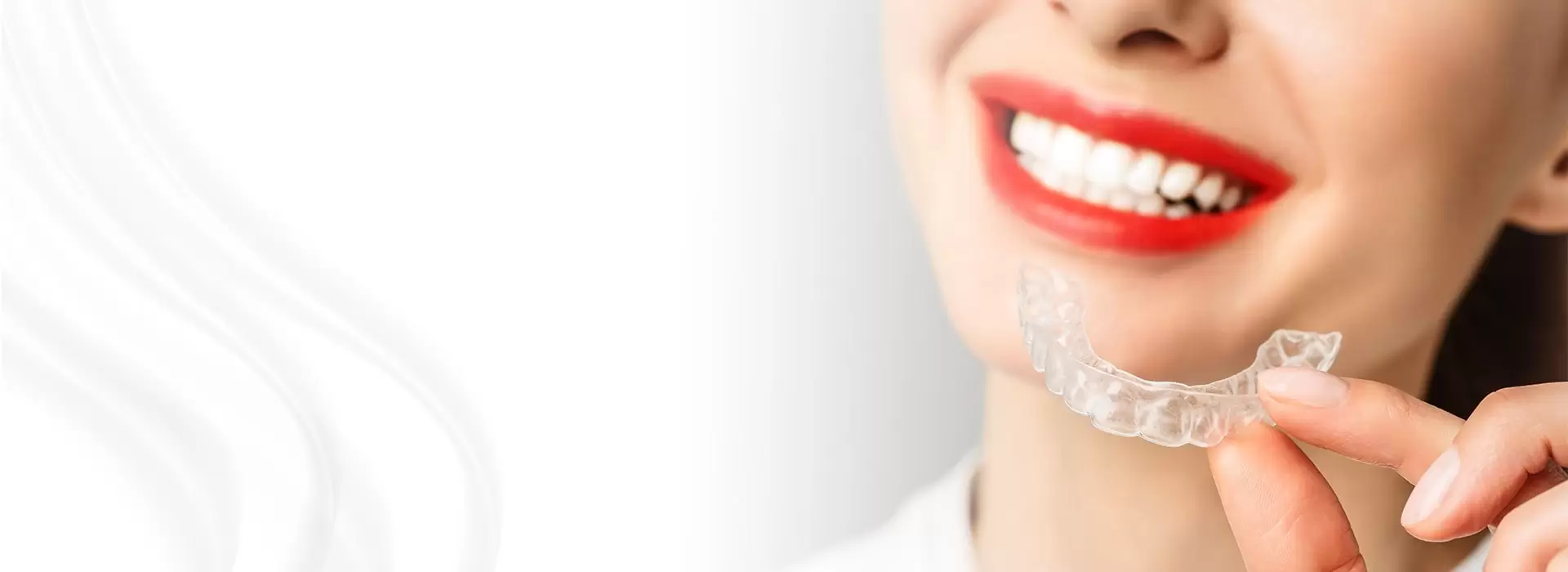
For invisible aligners, digital scans can help demonstrate possible tooth movements and the expected sequence of alignment. The dentist still needs to assess bone support, gum health, bite stability, and other clinical factors before approving the plan. A digital simulation cannot make unsafe tooth movement appropriate.
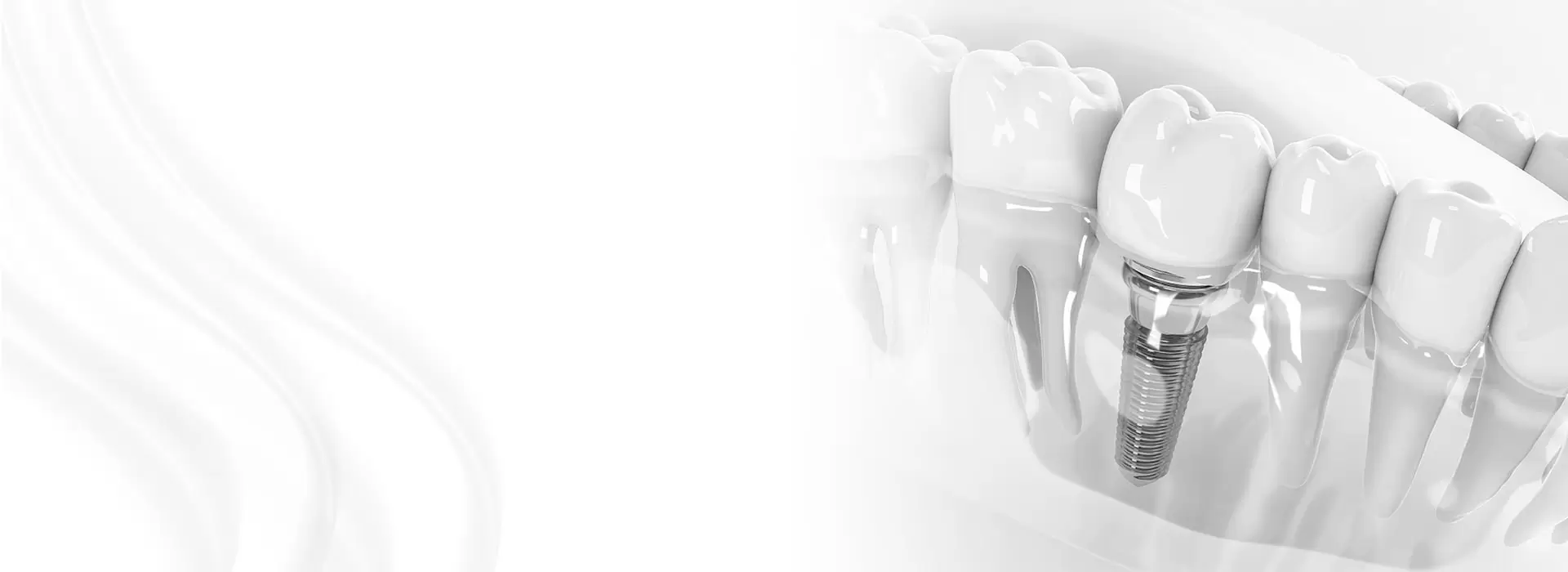
For dental implants, digital records can contribute to planning the position of the replacement tooth and its relationship with neighbouring teeth. The final decision may require three-dimensional imaging and a detailed evaluation of bone volume. Digital smile analysis can then help connect implant restoration planning with the overall appearance of the smile.
The same principle applies to full smile makeovers. Whitening, gum treatments, orthodontics, bonding, veneers, crowns, and implants may need to be coordinated in a particular order. A digital plan helps the team consider the entire smile instead of treating individual teeth in isolation.
| Aspect |
Traditional planning |
Digital smile design workflow |
| Patient understanding |
Relies mainly on verbal explanations, photographs, and physical models |
Uses digital images, scans, simulations, and mock-ups |
| Treatment coordination |
Information may be recorded across separate stages |
Different records can be combined into one visual plan |
| Smile assessment |
Often focused on teeth in a static position |
Can consider facial proportions, lips, speech, and natural movement |
| Communication |
Preferences may be difficult to describe precisely |
Patient and dental team can discuss a shared visual reference |
| Laboratory guidance |
May depend heavily on written notes and conventional impressions |
Digital records can provide detailed design information |
| Predictability |
Adjustments may be identified later in the process |
Potential concerns can often be reviewed before treatment begins |
Supporting function as well as appearance
A beautiful smile must also be comfortable, stable, and compatible with good oral function. Digital Smile Design encourages the dentist to consider more than tooth colour and symmetry. The plan can take account of the bite, tooth contact, speech, gum proportions, and the amount of tooth structure available.
This is important because an attractive design may be unsuitable if it creates excessive pressure on teeth or interferes with normal jaw movement. Patients who clench or grind their teeth may require additional protection or a different restorative approach. Some may benefit from treatment for jaw-related concerns, including botulinum toxin injections when clinically appropriate and recommended by a qualified professional.
Oral health is another essential part of the process. Active decay, gum disease, worn enamel, or infection should be addressed before cosmetic treatment. A digital smile plan can show the desired direction, but healthy teeth and gums are needed to support a lasting result.
Preparing for a digital smile consultation
Patients can make a consultation more productive by thinking about the changes they want and the aspects of their current smile that concern them. It may help to consider whether the main priorities are tooth colour, gaps, uneven edges, crowding, worn teeth, missing teeth, or excessive gum display.
It is also useful to share relevant dental history, previous treatments, sensitivity, jaw discomfort, clenching, and any concerns about maintenance. The dentist may recommend photographs, scans, X-rays, or other examinations before creating a complete plan. These records allow the proposed smile to be matched with the patient’s health and functional needs.
Patients should also ask about the materials being considered, the number of appointments, temporary restorations, aftercare, and the long-term maintenance required. A personalised treatment plan should explain the sequence clearly, including whether whitening, aligners, gum care, veneers, crowns, or implants are recommended.
Making the technology work for you
Digital tools are most valuable when they support careful clinical assessment and open discussion. Before accepting a cosmetic treatment plan, consider these practical points:
- Choose a clinic that evaluates oral health, bite, gums, and facial proportions rather than focusing only on photographs.
- Ask to see how the proposed design relates to your natural smile, facial features, and speaking movements.
- Discuss whether less invasive options, such as whitening, bonding, or aligners, could achieve part of your goal.
- Confirm the treatment sequence, materials, expected longevity, maintenance, and possible risks.
- Bring up concerns about sensitivity, grinding, jaw tension, previous dental work, or gum problems during the consultation.
Digital Smile Design can make cosmetic dentistry more understandable and personalised, but the quality of the result depends on the expertise of the dental team and the suitability of the treatment. A realistic plan should protect healthy tooth structure wherever possible and aim for a smile that remains comfortable and natural over time.
If you are considering veneers, crowns, teeth whitening, aligners, implants, or a complete smile makeover, TruDent Clinics can assess your goals and oral health in Izmir. Schedule a consultation to explore how digital smile planning may help create a clear, personalised path towards your desired smile.