The Benefits of Laser Dentistry for Comfortable Modern Care
Laser dentistry uses concentrated light energy to support a range of dental procedures. Depending on the wavelength and treatment goal, a dental laser can shape soft tissue, assist with gum therapy, reduce bacteria, or prepare certain areas of a tooth. This technology gives dentists another precise tool alongside conventional instruments.
For patients, the appeal often lies in a calmer and more controlled experience. Laser-assisted dentistry may reduce bleeding, swelling, vibration, and the need for sutures in suitable cases. It can be used in general, cosmetic, and periodontal care, although the best approach depends on the condition being treated.
TruDent Clinics in Izmir combines modern dental techniques with personalized treatment planning. Whether a patient is considering gum contouring, veneers, implants, or urgent care, an assessment helps determine whether laser treatment can add value to the procedure.
What Laser Dentistry Involves
A dental laser produces a focused beam of light that interacts with specific tissue. Soft-tissue lasers are commonly used for gum-related procedures, while hard-tissue lasers may assist with selected work on teeth and bone. The dentist controls the intensity and duration according to the treatment area.
The device does not replace professional judgment or every conventional dental instrument. Instead, it complements standard techniques. A dentist may use a laser for one stage of treatment and traditional tools for another, creating a tailored approach rather than applying the same method to every patient.
Laser technology can also help improve visibility in a small treatment area. More controlled energy delivery may allow the clinician to work carefully around the gums, tooth surface, or implant site. The suitability of laser care is determined through an examination, medical history, and any necessary imaging.
Comfort And Recovery Benefits
Many patients associate dental treatment with the sound and vibration of a drill. In appropriate procedures, laser equipment can produce less vibration and noise, which may make treatment feel more manageable for people with dental anxiety. The experience still varies according to the procedure and the sensitivity of the treated area.
Laser energy can seal small blood vessels and nerve endings as it works on soft tissue. This may reduce bleeding during treatment and limit post-treatment tenderness. Some patients require less local anaesthetic for certain soft-tissue procedures, though anaesthesia remains available whenever comfort requires it.
Recovery can also be more convenient. Reduced trauma to surrounding tissue may support faster healing and less swelling. This does not mean every laser procedure is painless or that recovery is immediate. Patients should follow their dentist’s instructions about eating, brushing, medication, and activity after treatment.
Common Applications In Dental Care
One established use is gum reshaping. Laser gum contouring can refine an uneven gum line or reduce excess gum tissue that makes teeth appear short. It may be considered as part of a smile makeover, particularly when the gums cover too much of the visible tooth surface.
Periodontal treatment is another important application. Bacteria can collect beneath the gum line in areas affected by gum disease. A laser may help remove infected tissue and reduce bacterial levels alongside professional cleaning and other periodontal methods. Regular maintenance remains essential after treatment.
Laser tools may also support frenectomy procedures, treatment of soft-tissue lesions, and selected implant-related procedures. In cosmetic dentistry, careful gum sculpting can improve the balance between teeth and gums before veneers or crowns are planned. The laser is used to shape tissue, not to replace the restorative material itself.
For children and adults with certain cavities, hard-tissue laser systems may assist with removing decay. Availability and suitability depend on the equipment and the dentist’s training. A traditional filling, crown, or other restoration may still be needed after diseased tissue has been removed.
Comparing Treatment Options
The benefits of laser-assisted care are easiest to understand when considered alongside conventional methods. Each approach has a place in dentistry, and the right choice depends on the location, size, and nature of the problem.
| Treatment factor |
Laser-assisted approach |
Conventional approach |
| Soft-tissue shaping |
Precise cutting with potential for less bleeding |
Effective cutting, often with instruments and possible sutures |
| Patient comfort |
May involve less vibration and noise |
May involve pressure, vibration, or more noticeable instrument sounds |
| Gum treatment |
Can target selected diseased tissue and bacteria |
Scaling, root planing, and surgical methods remain widely used |
| Healing |
Often associated with limited tissue disruption in suitable cases |
Healing depends on the procedure and extent of tissue manipulation |
| Cavity treatment |
Available with selected hard-tissue laser systems |
Drill-based treatment is broadly available and predictable |
| Availability |
Depends on clinic equipment and clinical expertise |
Available in most dental practices |
| Best use |
Carefully selected soft-tissue and periodontal procedures |
A broad range of restorative and surgical treatments |
Laser care should therefore be viewed as a clinical option rather than a universal replacement. A thorough consultation can clarify whether the expected benefits justify using laser energy for a particular procedure.
Precision, Hygiene, And Tissue Preservation
A laser can deliver energy to a defined area, which may help the dentist preserve more healthy surrounding tissue. This is especially relevant when shaping the gum line or addressing a small region of inflammation. Precision can support a natural-looking result in cosmetic procedures, although the final outcome also depends on diagnosis, planning, and the dentist’s technique.
Some dental lasers have antibacterial effects that may help reduce microorganisms in the treated zone. This can be useful in periodontal care and around selected surgical sites. It should not be mistaken for complete sterilization, and good oral hygiene is still necessary to protect the teeth and gums.
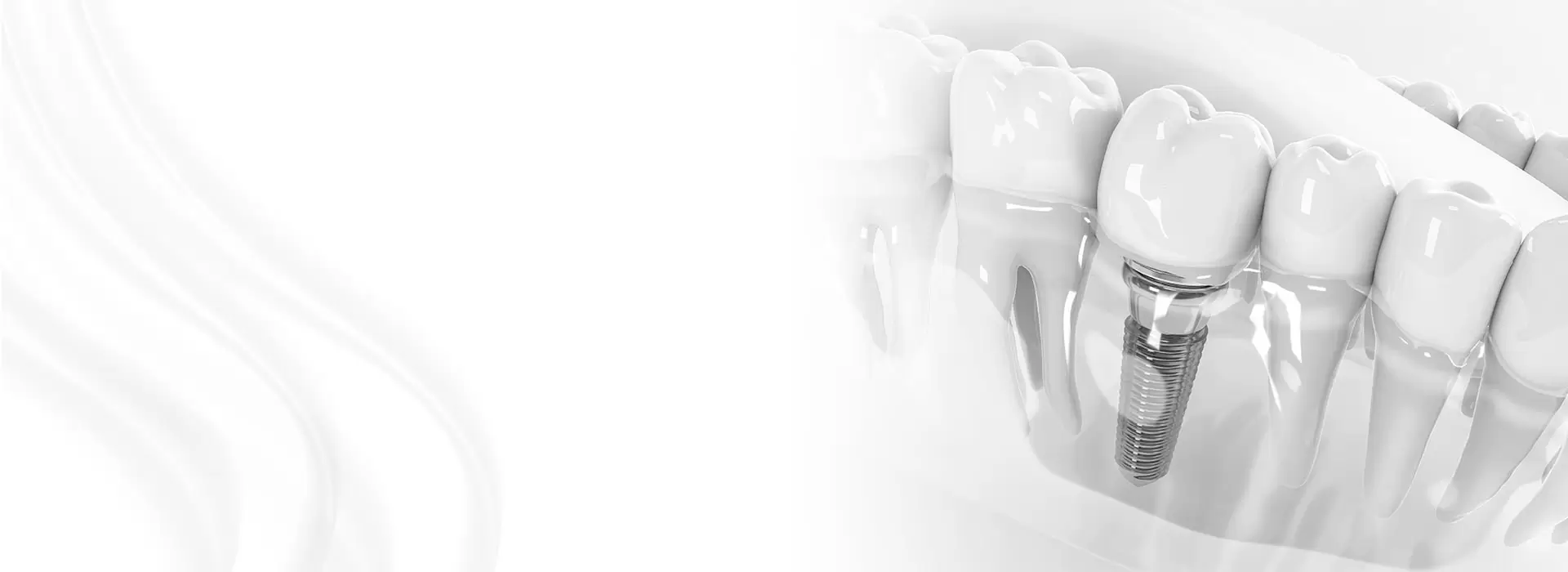
In implant dentistry, careful management of the gum and bone environment is important for long-term stability. Laser-assisted procedures may be considered in selected cases involving soft tissue or implant maintenance. The dentist must first assess bone quality, gum health, bite forces, smoking habits, and other factors that influence implant success.
Safety And Suitability
Laser dentistry is considered safe when performed by a trained dental professional using suitable equipment and protective measures. Everyone in the treatment room wears appropriate eye protection for the laser wavelength. The clinician also controls exposure time and energy levels to protect adjacent tissues.
A detailed medical and dental history is important before treatment. Conditions affecting healing, medications that influence bleeding, active infections, pregnancy, and previous dental work may affect the treatment plan. These factors do not automatically rule out laser care, but they should be discussed before the procedure begins.
Patients should also have realistic expectations. Laser treatment may reduce certain side effects, but it cannot guarantee no discomfort, no anaesthesia, or a shorter appointment in every case. During a consultation, the dentist can explain the expected sensations, aftercare, alternatives, and likely timeline.
Preparing For A Laser Appointment
Preparation is usually straightforward, but clear information helps make the visit more comfortable and productive. Bring a list of current medications and relevant medical conditions, and tell the dental team about allergies, previous reactions to anaesthesia, or a history of slow healing.
Before arranging treatment, consider these practical recommendations:
- Attend a complete examination so the underlying issue is diagnosed accurately.
- Ask which laser system will be used and what part of the procedure it will support.
- Discuss local anaesthesia, expected sensations, recovery time, and pain relief.
- Follow instructions about brushing, eating, smoking, and medication before and after treatment.
- Keep follow-up appointments so healing and oral hygiene can be reviewed.
Laser technology may be part of a broader plan that includes professional cleaning, fillings, gum care, crowns, veneers, aligners, or implants. At TruDent Clinics, the aim is to match the treatment method to the patient’s oral health, aesthetic goals, and long-term needs rather than choosing technology for its own sake.
Taking The Next Step With Modern Dental Care
A consultation is the most reliable way to learn whether laser-assisted treatment is appropriate. The dentist can examine your teeth and gums, review your goals, and explain how laser care compares with conventional treatment for your specific situation. This is particularly valuable when several options, such as gum contouring before veneers or periodontal care before implants, need to be coordinated.
Patients considering treatment in Izmir can schedule a consultation with TruDent Clinics to discuss their dental concerns and available options. A personalized plan can combine comfort-focused techniques with general, cosmetic, or restorative dentistry to support a healthier and more confident smile.