Night guards after adult orthodontics: why they matter
Finishing adult orthodontic treatment does not end the need for aftercare. Teeth can move as gums and supporting tissues settle, which is why retainers remain essential long after aligners or braces come off. A night guard serves a different purpose: it can cushion the teeth when the jaw clenches or grinds during sleep.
For many adults, the benefit is protection rather than correction. A dentist-fitted guard can reduce harmful tooth contact, limit enamel wear and help protect crowns, veneers or bonded restorations. It may also ease tired jaw muscles. These gains depend on an accurate fit, a stable bite and advice from the orthodontist or dentist who knows the finished treatment.
A guard cannot hold teeth in their new positions, and an over-the-counter product may be too bulky for someone with retainers or precision restorations. The useful question is whether nighttime clenching is present and whether a custom appliance can be incorporated safely into the retention routine.
Protecting teeth from nighttime grinding
Clenching and bruxism can be hard to identify because they happen mostly during sleep. Common clues include a sore jaw on waking, tooth sensitivity, headaches, flattened enamel and chipped or loose restorations. A dental examination is more reliable than guessing from symptoms alone. The dentist may also ask about stress, medication, caffeine, alcohol and sleep patterns.
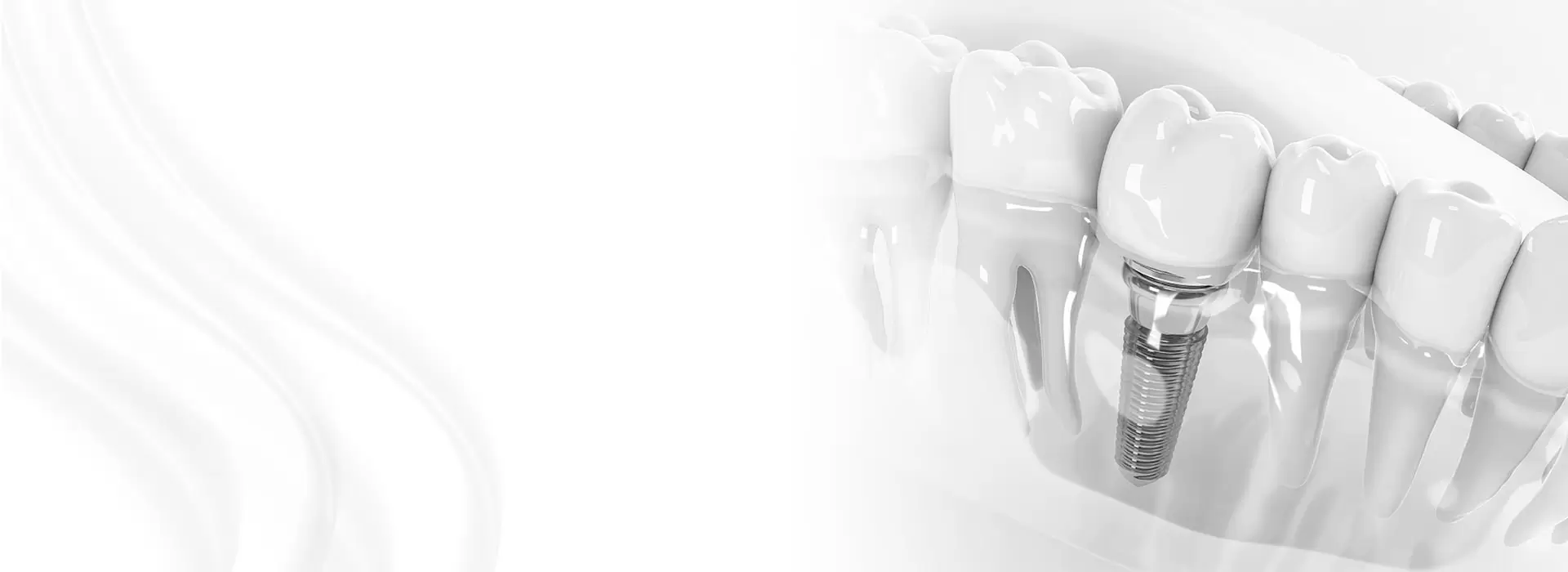
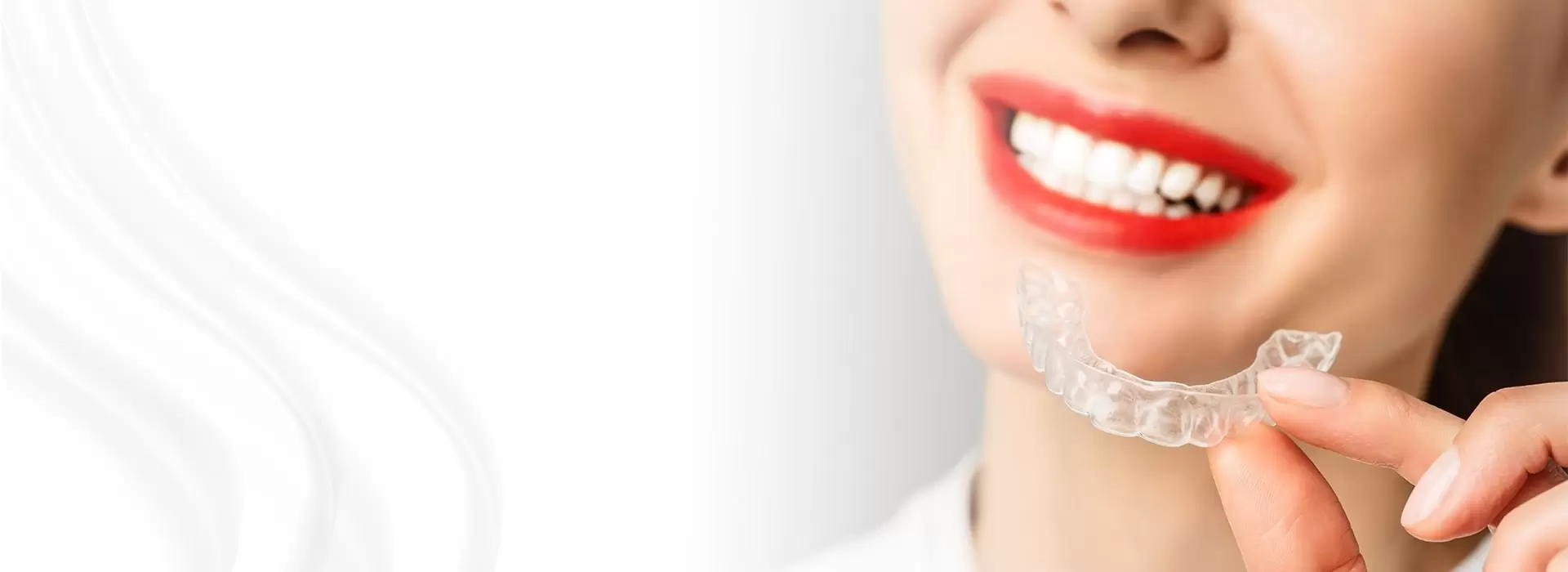
The right material changes how the guard works. A hard acrylic appliance offers durability and can withstand substantial clenching forces, while a dual-laminate or softer design provides more cushioning. It must be designed around the wearer’s bite rather than bought on size. A properly fitted guard spreads pressure across the teeth and reduces direct contact that contributes to wear and chipping.
A guard that rocks, feels thick or changes the bite can create more problems than it solves. This risk is greater for adults with a fixed retainer, removable clear retainer, crowns or veneers. The orthodontist and restorative dentist may need to coordinate the design so both retention and nighttime protection fit comfortably.
Keeping teeth stable after treatment
Retainers and night guards solve different problems, so neither should be treated as a substitute for the other. Adult teeth can relapse because periodontal ligaments, bone and soft tissues continue to adapt after treatment. The prescribed retainer schedule keeps teeth stable; a guard can reduce the intensity of nighttime contact but cannot prevent positional drift. Wearing both may require a specific sequence and a design that avoids dislodging the retainer.
Adult orthodontic care often finishes with whitening, bonding, veneers or crowns rather than braces alone. These restorations may look excellent yet remain vulnerable to repeated impact from a habitual grinder. A well-fitted night guard can reduce wear on natural teeth and lower the risk of marginal chipping around bonded or ceramic surfaces. It also protects the financial investment in the finished smile.
Reducing strain in the jaw and muscles
Clenching loads the chewing muscles and can leave the jaw feeling tight or tender. A custom splint gives those muscles a stable surface to meet, reducing forceful tooth-on-tooth contact. Some adults report less morning stiffness, fewer tension headaches and a more comfortable bite. Evidence for treating temporomandibular joint disorders is mixed, however, so a guard is not a universal cure for jaw pain, clicking or locking.
Australian routines can make this issue more visible. Long commutes, deadline-driven work and hybrid schedules are common in Sydney, Melbourne and Brisbane, while late caffeine, evening alcohol and interrupted sleep may accompany them. These patterns do not prove the cause of bruxism, but they can coincide with stress-related clenching and make the consequences harder to ignore. Snoring, choking or witnessed breathing pauses need a sleep assessment; a standard night guard is not a substitute for treatment of obstructive sleep apnoea.
Choosing a guard in the Australian market
The Australian market includes basic boil-and-bite guards sold through chemists and online retailers, as well as custom appliances made from dental impressions or scans. Basic guards may cost roughly A$30–A$80, while custom guards generally sit in the several-hundred-dollar range, although prices vary by city, materials and complexity. For persistent clenching, a custom fit is usually more comfortable and stable than a generic device. Bulk and an altered bite can also make generic models unsuitable alongside precision retainers.
Australian consumers operate within a regulated dental market. The Therapeutic Goods Administration oversees medical devices, and custom dental appliances may need inclusion in the Australian Register of Therapeutic Goods or satisfy a relevant custom-device exemption, depending on how they are supplied. Manufacturing, quality-system and Australian sponsor requirements may still apply. Dental practitioners are registered under national health practitioner legislation and must meet the professional standards and obligations of the Dental Board of Australia and relevant state or territory dental councils.
Most people cannot claim a Medicare subsidy for an orthodontic retainer or night guard. Private health insurance coverage varies substantially between policies, and orthodontic or dental-splint exclusions, waiting periods and benefit limits may apply. Ask the insurer for written confirmation before treatment, and obtain a receipt that separates the custom appliance from other dental fees.
Building a routine that protects the result
New guards often feel prominent at first because the jaw must learn a new surface and position. Most people adapt within a few nights, while a dental clinician can adjust an early pressure point if needed. Clean the guard with cool water, a soft toothbrush and mild soap, then store it dry in a ventilated case. Hot water and toothpaste can scratch some materials, and retainers need separate cleaning.
Review appointments are useful after a custom guard is fitted. The dentist can check the bite, tooth wear, retainer condition and any new sensitivity. Seek advice if the guard causes pain, loosens the retainer or changes how the front teeth meet. A guard with cracks, sharp edges or persistent marks should be replaced rather than worn indefinitely.
Book a consultation with an orthodontist or dentist, bring the retainer and records of the finished treatment, and ask for a plan that addresses both tooth position and nighttime clenching. Patients who completed care in İzmir can obtain their written aftercare guidance from TruDent Clinics and then coordinate follow-up with a registered Australian dental practitioner.