The Benefits Of Digital Smile Design Technology
A confident smile begins with a plan that respects your face, personality, oral health, and expectations. Digital Smile Design (DSD) technology helps dentists and patients visualize that plan before treatment starts. Using photographs, videos, digital scans, and specialized software, the dental team can study how teeth relate to the lips, gums, facial proportions, and speech.
For patients considering veneers, crowns, teeth whitening, invisible aligners, or a complete smile makeover, this approach creates a more informed path to treatment. Instead of relying on imagination or generic examples, patients can review a personalized preview and discuss adjustments with their dentist.
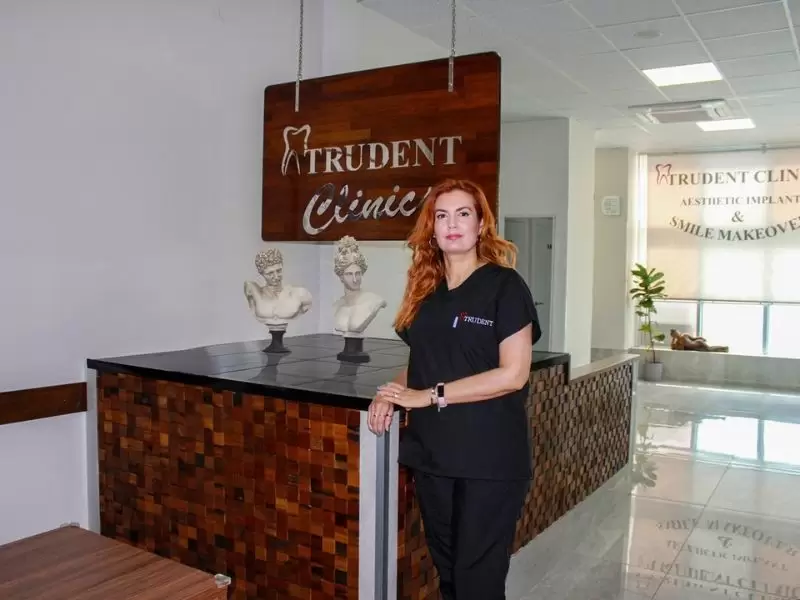
At TruDent Clinics in Izmir, Turkey, digital planning supports a patient-focused approach to aesthetic and restorative dentistry. It can improve communication, guide clinical decisions, and help create results that look balanced rather than artificial.
How Digital Smile Design Works
The process generally begins with detailed records. These may include high-resolution facial photographs, intraoral scans, dental impressions, videos of facial movement, and an assessment of the bite. The dentist examines how the teeth appear while the patient smiles, speaks, and rests, since a static image does not always show the full picture.
Specialized software combines this information into a digital treatment plan. The dentist can evaluate tooth length, width, shape, color, gum display, midline, and symmetry. These details are considered alongside oral health, jaw function, and the patient’s desired appearance.
A preview or trial smile may then be created. Depending on the case, this can involve a digital simulation, a temporary mock-up placed over the existing teeth, or both. The patient can see and feel a proposed design before final restorations are made.
A More Personalized Smile Plan
Every face has its own proportions, and the same veneer shape will not suit every patient. Digital smile analysis helps the dentist choose restorations that complement the individual’s features. Factors such as lip movement, skin tone, facial width, age, and natural tooth characteristics can influence the design.
This is especially useful when planning multiple veneers or crowns. Rather than treating each tooth in isolation, the dentist can assess the entire smile zone as a connected composition. The result may involve subtle variations in translucency, texture, contour, and tooth length for a more natural appearance.
A personalized plan can also reveal when a requested change may be unsuitable. For example, making teeth excessively long could affect speech or create an unbalanced relationship with the lips. Digital visualization supports an honest discussion about what is attractive, realistic, and clinically appropriate.
Better Communication Before Treatment
Dental terminology can be difficult to translate into a visual result. A patient may understand that veneers will be “slightly longer,” but that description does not fully explain how the change will affect the smile. Digital smile design turns abstract ideas into images and physical previews that are easier to discuss.
The consultation becomes collaborative. Patients can share what they like or dislike about the proposed shape, while the dentist explains how those preferences relate to tooth structure, bite, gum health, and restoration durability. This two-way process helps align expectations before irreversible treatment begins.
Digital records can also improve communication between the dentist, laboratory technician, and other members of the treatment team. The same reference materials guide the design and fabrication stages, reducing the risk of misunderstandings about dimensions, contours, or color.
Digital Planning Compared With Traditional Methods
Digital technology does not replace the dentist’s clinical judgment. Instead, it adds a structured visual and analytical layer to diagnosis and treatment planning. The dentist still evaluates cavities, gum disease, enamel thickness, occlusion, tooth wear, and other factors before recommending cosmetic procedures.
The distinction is especially valuable in complex cases. A patient may need orthodontic alignment, gum contouring, restorative dentistry, or dental implants before veneers can be considered. Digital planning helps show how these steps may work together and where the final aesthetic result depends on treating an underlying problem.
| Planning Feature |
Conventional Planning |
Digital Smile Design Approach |
| Patient visualization |
Verbal descriptions, photographs, or sample cases |
Personalized digital preview and possible mock-up |
| Facial analysis |
Often focused mainly on teeth |
Considers teeth, lips, gums, facial proportions, and movement |
| Patient involvement |
Feedback may come after preparation or temporary work |
Feedback can be collected before final treatment |
| Laboratory communication |
Written notes and physical impressions |
Digital files, images, and coordinated design references |
| Treatment flexibility |
Changes may be harder after preparation begins |
Design adjustments can be discussed earlier |
| Clinical limitations |
May be less apparent to the patient |
Digital preview still requires clinical assessment and realistic expectations |
Supporting Natural-Looking Cosmetic Dentistry
An attractive result is usually about proportion and harmony rather than maximum whiteness or uniformity. Digital smile design enables the dentist to assess how a proposed shade and tooth form interact with the patient’s complexion, eyes, lips, and facial structure.
The technology can support several cosmetic and restorative treatments:
- Porcelain or composite veneers for changes in shape, spacing, and color
- Crowns when a tooth needs significant structural protection
- Teeth whitening as part of a coordinated smile enhancement
- Invisible aligners to improve tooth position before cosmetic restoration
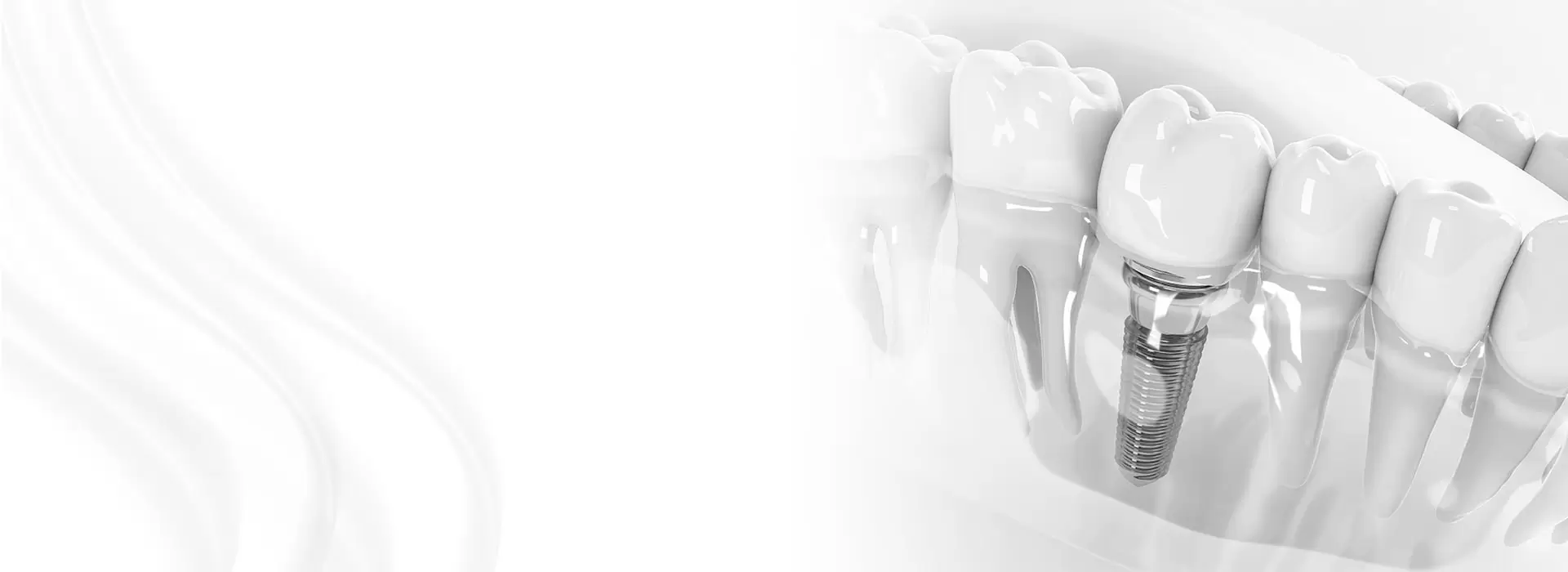
- Dental implants designed to restore missing teeth and surrounding aesthetics
- Gum-related procedures when an uneven gum line affects smile balance
Digital planning is also helpful for patients who want a conservative result. The preview may show that small changes, whitening, bonding, or orthodontic treatment can achieve the desired improvement without extensive tooth preparation. A responsible plan should always prioritize healthy tooth structure and long-term function.
Improving Confidence In Complex Treatment
Patients often feel uncertain when several procedures are being considered. A smile makeover may involve multiple visits, temporary restorations, laboratory work, and investment. Seeing the intended direction beforehand can make the process easier to understand and emotionally manageable.
For implant cases, digital planning may help coordinate the position of the replacement tooth with the surrounding teeth and gum contours. It does not eliminate the need for bone assessment or surgical expertise, but it can contribute to a more carefully coordinated restorative outcome.
The same principle applies to full-mouth rehabilitation. When worn, damaged, or missing teeth affect both appearance and bite, the dental team can use digital records to study the smile and function together. This encourages a treatment plan based on oral health, comfort, and durability rather than appearance alone.
Making The Most Of Your Consultation
A successful digital smile consultation depends on open communication and complete information. Patients should describe their preferred level of change, any previous dental experiences, and practical concerns such as sensitivity, speech, maintenance, or treatment time. The dentist can then distinguish cosmetic wishes from clinical priorities.
Useful points to discuss include:
- Which features of the current smile feel most concerning
- Whether the preferred result is subtle, bright, youthful, or highly transformed
- How the proposed treatment may affect bite, speech, and tooth maintenance
- What temporary mock-ups or previews are available before final decisions
- Which procedures are necessary for healthy and stable results
The preview is a planning aid, not a guarantee that the final smile will look identical to a computer image. Lighting, screen settings, facial movement, material properties, and biological healing can influence the finished result. A qualified dentist should explain these variables clearly.
TruDent Clinics can assess whether digital smile planning is suitable for a patient’s goals and oral condition. During a consultation in Izmir, the team can combine aesthetic analysis with general dentistry, restorative care, emergency support, and treatment options such as veneers, crowns, whitening, aligners, implants, and jaw-related botulinum toxin applications when clinically appropriate.
Choosing digital smile design means taking a more informed and collaborative approach to cosmetic dentistry. It gives patients an opportunity to understand the proposed result, participate in decisions, and identify concerns before treatment is finalized. When combined with sound diagnosis and experienced clinical care, it can make a smile makeover more predictable, personal, and natural-looking.
Schedule a consultation with TruDent Clinics to explore your smile goals and receive a treatment plan tailored to your facial features, oral health, and preferred outcome.