The Best Foods to Eat After Dental Implant Surgery
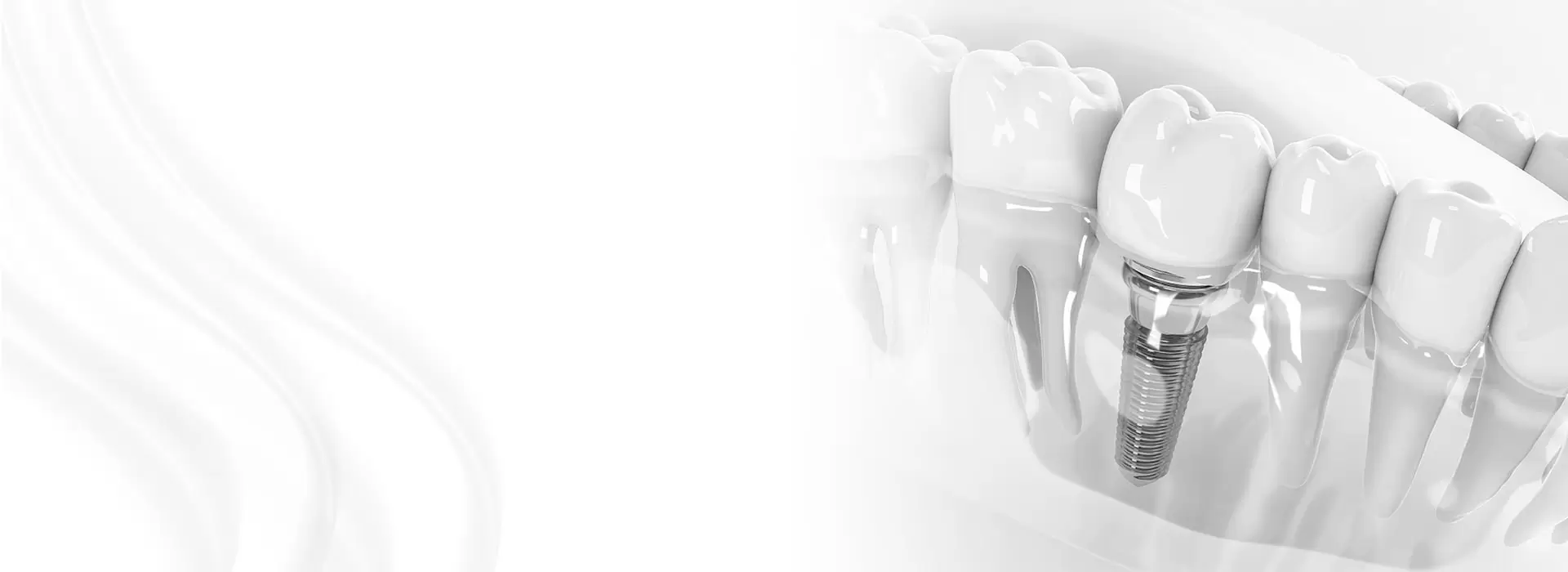
Dental implant surgery places a titanium post into the jawbone, where it needs time to stabilize and integrate with the surrounding bone. The foods you choose during this healing period can support comfort, reduce irritation, and make it easier to maintain good nutrition while the surgical area recovers.
For the first few days, soft, cool, and nourishing foods are generally the most comfortable choices. As tenderness and swelling decrease, you can gradually reintroduce foods with more texture. Your dentist’s instructions should always take priority, especially if you have had bone grafting, multiple implants, or additional oral surgery.
A personalized recovery plan can also account for medical conditions, dietary restrictions, medication, and the exact position of the implant. If pain, swelling, bleeding, or difficulty eating seems unusual, contact your dental team rather than changing your diet alone.
Why Food Choices Matter After Implant Placement
The gum tissue around a new implant is sensitive, and chewing pressure can disturb the surgical site. Hard, sticky, or sharp foods may scratch the gums, become trapped around the implant, or place unnecessary force on the healing area. Choosing gentle foods helps protect the incision and makes meals more manageable.
Nutrition is also important for tissue repair. Protein supports the formation of new tissue, while vitamins and minerals help the immune system and bone health. A temporary soft-food diet should still include balanced sources of protein, calories, fluids, and micronutrients instead of relying entirely on sugary desserts or processed snacks.
Temperature matters during the earliest stage of recovery. Very hot food and drinks can increase discomfort and may contribute to bleeding while the area is still settling. Cool or lukewarm choices are usually better tolerated during the first 24 hours, unless your dentist has provided different guidance.
Foods That Are Gentle During the First Days
Smooth, soft foods that require little or no chewing are usually suitable immediately after implant surgery. Examples include plain yogurt, cottage cheese, applesauce, mashed potatoes, blended soups served lukewarm, and smoothies eaten with a spoon. These options can provide energy without putting pressure on the implant site.
Protein-rich choices are particularly useful. Scrambled eggs, soft tofu, well-blended lentil soup, Greek yogurt, and finely pureed beans can help support recovery. If you choose a protein shake, drink it from a cup rather than through a straw, since suction may interfere with the healing blood clot or irritate the surgical area.
Soft fruits such as bananas, ripe peaches, and avocado are easier to manage than firm or acidic fruit. Oatmeal and well-cooked porridge can also be filling, but allow them to cool before eating. Rinse gently with water afterward if food particles remain, following your dentist’s instructions for oral hygiene.
A Practical Eating Schedule for Recovery
During the first day, focus on small portions and frequent sips of water. You may have less appetite because of anesthesia, swelling, or medication, so several light meals can be easier than one large meal. Avoid chewing directly over the implant and take your time with every bite.
From approximately days two through four, many people can add soft pasta, tender fish, soft rice, steamed vegetables, and finely shredded chicken if these foods can be eaten comfortably. The exact timing varies according to the number of implants, the surgical technique, and individual healing. Do not advance your diet simply because a specific number of days has passed.
As the gums become less tender, gradually test foods with a little more texture. Chew on the opposite side when possible and stop if a food causes pressure, throbbing, bleeding, or sharp discomfort. Normal eating can often resume progressively, but the implant may continue integrating with the jawbone for several months.
| Recovery stage |
Suitable foods |
Foods to delay |
| First 24 hours |
Yogurt, applesauce, cool blended soup, mashed banana, cottage cheese |
Hot meals, crunchy foods, alcohol, spicy sauces |
| Days 2–4 |
Scrambled eggs, oatmeal, soft pasta, tofu, mashed vegetables |
Steak, nuts, raw vegetables, crusty bread |
| Later healing |
Tender fish, soft chicken, cooked vegetables, rice, gently textured meals |
Sticky sweets and hard foods until cleared |
| Throughout recovery |
Water, balanced meals, protein-rich soft foods |
Smoking, straws, and excessive alcohol |
Nourishing Meal Ideas for Implant Healing
A soft breakfast could include Greek yogurt with mashed banana and a little smooth nut butter, provided the nut butter does not stick around the surgical area. Another option is soft scrambled egg with avocado. These meals offer protein and calories without requiring vigorous chewing.
For lunch or dinner, try lukewarm cream soup with blended beans, soft pasta with a smooth sauce, or mashed sweet potato with tender flaked fish. Cooked vegetables can be blended or mashed to make them easier to eat. Avoid adding small hard ingredients such as seeds, toasted crumbs, or raw onion during the early stage.
Smoothies can be useful when chewing is uncomfortable, particularly when prepared with yogurt, milk, banana, avocado, or a suitable protein powder. However, acidic ingredients such as citrus may sting sensitive tissue, and very cold drinks may be uncomfortable for some patients. Use a spoon or drink from a cup rather than using a straw.
If you have diabetes, food allergies, kidney disease, or another medical condition, adapt these ideas with professional guidance. The goal is to maintain adequate nutrition without interfering with your health needs or prescribed medication.
Foods and Habits to Avoid While the Area Heals
Hard foods such as nuts, popcorn, ice, raw carrots, hard crackers, and crusty bread can place pressure on the implant area. Small fragments may also lodge around the surgical site. Sticky foods, including caramel and chewing gum, can pull against healing tissue and make cleaning more difficult.
Spicy, acidic, and heavily seasoned foods may cause burning or irritation when the gums are tender. Alcohol can interact with pain medication or antibiotics and may interfere with recovery, so it is safest to avoid it until your dental professional says it is appropriate. Smoking and vaping are especially harmful because they can reduce blood flow and increase the risk of complications.
Do not rinse forcefully, spit repeatedly, or use a straw unless your dentist specifically permits it. These actions create suction or pressure inside the mouth. Follow the recommended cleaning routine carefully, using any prescribed mouth rinse as directed, and keep food away from the surgical area without brushing aggressively over it.
Signs That Your Diet or Recovery Needs Attention
Some swelling, tenderness, mild bruising, and limited chewing are common after implant placement. These symptoms should generally improve gradually. If a particular food causes discomfort, return to smoother options and give the area additional time rather than forcing yourself to continue.
Contact your clinic if bleeding does not settle with the recommended pressure, if pain becomes stronger instead of easing, or if swelling increases after the initial period. Fever, pus, persistent bad taste, an implant that feels loose, numbness that does not improve, or difficulty swallowing also requires prompt dental advice.
Maintaining hydration is important, but persistent vomiting, inability to keep fluids down, or severe difficulty eating should not be ignored. A dental professional can assess the surgical site, review your medication, and determine whether an adjustment or additional treatment is needed.
Simple Ways to Protect the Implant While Eating
- Choose soft, protein-rich meals and eat smaller portions several times a day.
- Keep food and drinks lukewarm or cool during the earliest recovery period.
- Chew away from the implant and avoid testing the implant with your tongue or fingers.
- Drink water from a cup and avoid smoking, alcohol, and hard or sticky foods.
- Follow your clinic’s cleaning and medication instructions, even when the area begins to feel better.
Healing after dental implant surgery is individual, so a diet that feels comfortable for one patient may be unsuitable for another. At TruDent Clinics in Izmir, Turkey, implant patients can receive personalized guidance based on their procedure, oral health, and recovery progress. Schedule a consultation to discuss dental implant treatment and receive clear aftercare advice designed around your needs.