How to Clean Around Dental Implants Safely and Effectively
Dental implants can restore chewing function, support facial structure, and create a natural-looking smile. Their long-term success depends on more than the implant procedure itself. Daily plaque control around the crown, abutment, and gum tissue is essential for protecting the surrounding bone and preventing inflammation.
Cleaning an implant is similar to caring for natural teeth, but the areas around the implant may require more attention. Food particles and bacteria can collect beneath the crown edge or between the implant and neighboring teeth. Without careful cleaning, this buildup may contribute to peri-implant mucositis or peri-implantitis.
A reliable oral hygiene routine should be comfortable, gentle, and consistent. Your dentist or hygienist can also adapt the recommended tools to the position of your implant, the shape of your restoration, and the condition of your gums.
Why Implant Hygiene Matters
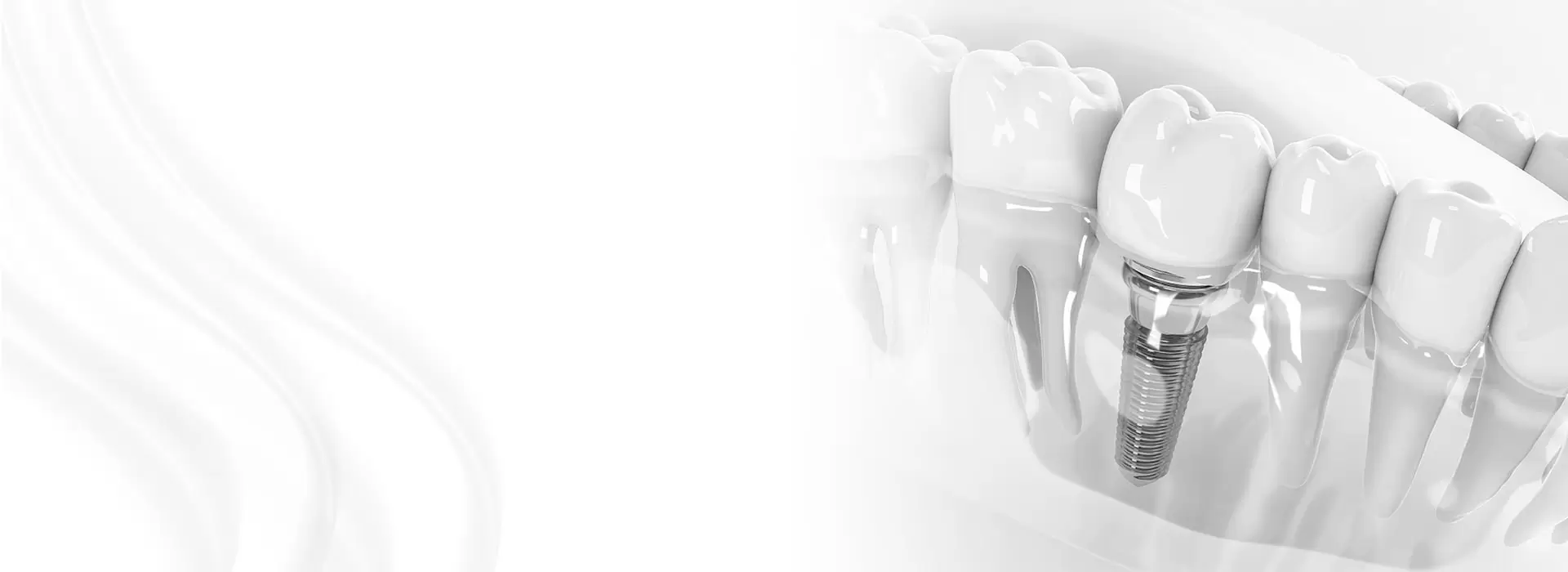
The visible crown of a dental implant may look and feel like a natural tooth, but the supporting structure is different. An implant is anchored in the jawbone through a titanium post rather than a natural tooth root. The gum seal around it can be more vulnerable to bacterial irritation, particularly when plaque remains undisturbed.
Early inflammation may cause redness, tenderness, or bleeding during brushing and flossing. These signs should not be ignored. If inflammation progresses, the tissues and bone supporting the implant may become damaged, potentially affecting its stability.
Good cleaning habits help remove biofilm before it hardens into calculus. Professional dental cleanings are also important because hardened deposits cannot be safely removed with a toothbrush at home. Regular examinations allow the dental team to assess the crown, gum health, bite, and bone levels around the implant.
Brushing Around The Implant
Brush twice a day for approximately two minutes using a soft-bristled toothbrush. A small-headed manual toothbrush can clean around the crown margin effectively, while an electric toothbrush with a pressure sensor may help people who brush too forcefully. Excessive pressure can irritate the gums without improving plaque removal.
Angle the bristles toward the gumline and use small, gentle movements. Pay close attention to the front, back, and chewing surfaces of the implant crown, as well as the neighboring teeth. The junction where the crown meets the gum deserves careful attention because plaque often accumulates there.
A low-abrasive fluoride toothpaste is generally suitable for maintaining the surrounding natural teeth. Avoid aggressive scrubbing and highly abrasive powders, which may scratch some restorative surfaces or make them more difficult to keep clean. If you are unsure which products are compatible with your implant crown, ask your dentist for individualized advice.
Cleaning Between The Implant And Adjacent Teeth
Interdental cleaning is one of the most important parts of implant maintenance. Standard floss may work well in some areas, but an implant-supported crown can require a wider or more flexible cleaning aid. Floss threaders, implant-specific floss, and tufted dental floss can help you reach beneath the crown’s contact area and along the gumline.
Move the floss gently rather than snapping it into the gums. Curve it around the side of the implant crown and slide it carefully under the edge, if the restoration design allows. The goal is to remove plaque and trapped food without forcing the material deeply into the tissue.
Interdental brushes can be especially useful when there is enough space between the implant and the adjacent tooth. Select a size that passes through with light resistance but does not become wedged. A dental professional can demonstrate the correct size and technique, since using a brush that is too large may injure the gums.
Helpful Tools And Their Uses
The most effective routine is the one you can perform correctly every day. Some people need only a toothbrush and suitable floss, while others benefit from a combination of interdental brushes and a water flosser. The restoration’s shape and the amount of space around it influence which method works best.
A water flosser can rinse away loose food debris and help clean around implant-supported bridges or hard-to-reach areas. Use a moderate setting and direct the stream along the gumline rather than forcing it into the tissue. It should support mechanical cleaning, not replace brushing and interdental plaque removal.
| Cleaning aid |
How it may help |
Important consideration |
| Soft-bristled toothbrush |
Cleans the crown, gumline, and nearby teeth |
Use gentle pressure and replace it when bristles wear |
| Electric toothbrush |
Provides consistent brushing movement and timing |
Choose a gentle mode and avoid pressing heavily |
| Implant floss or floss threader |
Reaches beneath or around some crown designs |
Use slowly to avoid cutting or irritating the gums |
| Interdental brush |
Cleans wider spaces between the implant and neighboring teeth |
The brush must fit comfortably without force |
| Water flosser |
Flushes food debris from difficult areas |
Use a moderate pressure setting and proper direction |
| Fluoride toothpaste |
Helps protect remaining natural teeth from decay |
Choose a low-abrasive formula unless your dentist advises otherwise |
Mistakes That Can Harm Implant Health
One common mistake is cleaning only the visible crown. The gumline and spaces around the restoration are where plaque can remain hidden. Another is stopping flossing because the area bleeds. Occasional bleeding often indicates inflammation and should prompt gentler, more thorough cleaning rather than abandonment of the routine.
Using sharp objects such as toothpicks, pins, or metal instruments can damage the gums and scratch the restoration. Household products that are not designed for oral care may also introduce bacteria or injure soft tissue. Professional instruments should be used only by a dental professional.
Smoking and tobacco use can interfere with gum health and raise the risk of complications around implants. Frequent sugary snacks and poor control of natural teeth can also increase the overall bacterial burden in the mouth. Maintaining a balanced diet, drinking water, and cleaning removable components of an implant-supported denture are valuable parts of aftercare.
A Simple Daily Implant Care Routine
A practical routine can make implant hygiene easier to maintain. Brush in the morning and before bed, then clean between teeth at least once daily. If food tends to collect around the implant after meals, rinse with water and use the recommended interdental aid when appropriate.
The following habits support cleaner implant surfaces and healthier surrounding gums:
- Brush for two minutes with a soft-bristled brush and low-abrasive fluoride toothpaste.
- Clean beneath and around the implant crown with implant floss, a floss threader, or an appropriately sized interdental brush.
- Use a water flosser at a comfortable pressure when recommended for your restoration.
- Inspect the gumline for swelling, redness, bleeding, discharge, or a change in the way the implant feels.
- Attend dental checkups and professional hygiene appointments at the interval advised for your oral health.
Do not use mouthwash as a substitute for brushing and interdental cleaning. An antiseptic rinse may be recommended for a limited period when there is inflammation or after certain procedures, but prolonged use of some products can stain teeth or alter taste. Always follow the instructions provided by your dental team.
When To Arrange A Dental Checkup
Persistent bleeding, swelling, bad taste, unpleasant odor, or discomfort around an implant should be assessed by a dentist. Looseness of the crown or implant, difficulty chewing, or a noticeable change in your bite also requires prompt attention. Early treatment can help prevent a minor gum problem from becoming a more serious complication.
Professional maintenance may include removal of plaque and calculus, evaluation of the implant crown and abutment, gum measurements, and imaging when clinically necessary. The dental team may also review your brushing and interdental cleaning technique and recommend different tools.
Every implant case is different. A single implant, an implant bridge, and a full-arch restoration each have distinct cleaning requirements. At TruDent Clinics in Izmir, Turkey, consultations can include an assessment of your existing restoration, gum condition, and daily hygiene routine, followed by a personalized maintenance plan.
Consistent home care and professional monitoring give dental implants the best environment for long-term function. If you have an implant or are considering implant treatment, schedule a consultation with TruDent Clinics to receive individualized guidance on cleaning techniques, suitable products, and ongoing dental care.