The best ways to whiten your teeth at home
A brighter smile can often be achieved with products used in your own bathroom, but effective teeth whitening depends on choosing the right method and using it consistently. Whitening strips, peroxide gels, and dentist-provided trays can reduce many surface and internal stains when applied according to clear instructions.
The best approach depends on why your teeth look darker. Coffee, tea, red wine, tobacco, and strongly coloured foods usually create surface discoloration. Ageing, enamel wear, certain medicines, trauma, and naturally darker dentine can affect the deeper colour of a tooth and may respond differently to home bleaching.
Home whitening is generally safest when your teeth and gums are healthy first. Cavities, cracked teeth, gum inflammation, exposed roots, and poorly fitting restorations can make bleaching uncomfortable or produce an uneven result. A dental consultation can help you choose a realistic treatment before you spend money on products that may not suit your smile.
Understand what home whitening can change
Most at-home whitening products use hydrogen peroxide or carbamide peroxide. These ingredients pass through enamel and break down stain molecules, making the teeth appear lighter. Whitening toothpaste works differently: it mainly removes external stains with mild polishing ingredients and usually produces a subtler change.
Natural teeth can be lightened, but fillings, crowns, veneers, and bonding do not change colour with bleaching. If a front tooth contains an old restoration, whitening the surrounding teeth may make the restoration look darker by comparison. This is important to consider before replacing cosmetic dental work.
Results also vary from person to person. Yellowish stains often respond more readily than grey or brown discoloration caused by medication, injury, or enamel changes. A home whitening treatment may improve the shade without creating the very white appearance shown in advertisements.
Choose evidence-based products
Whitening strips are among the most convenient home options. They contain a peroxide-based gel on a thin flexible strip that sits against the front teeth for a specified period. Products from reputable manufacturers normally provide detailed directions, ingredient information, and usage limits. Follow the stated schedule rather than leaving strips on longer to accelerate the process.
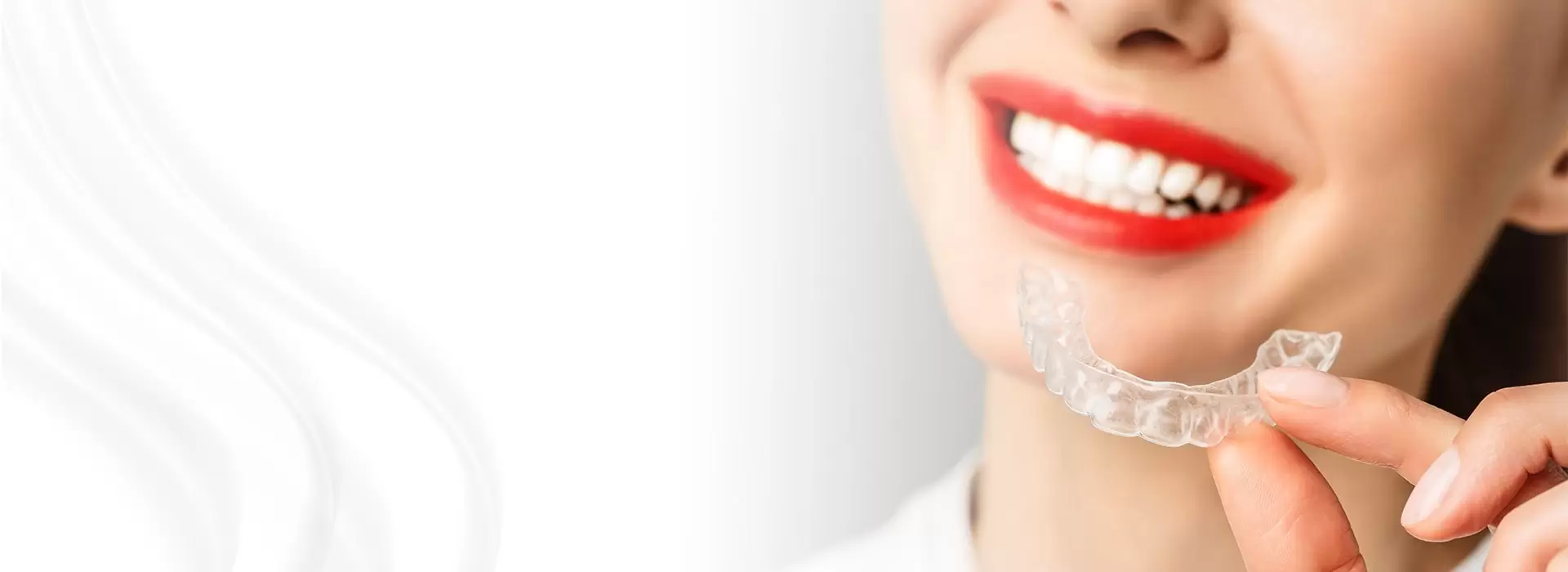
Whitening gels used with trays can offer more even contact, especially when the tray fits closely around the teeth. Over-the-counter trays may be universal, while custom trays made by a dentist are shaped to your mouth and can reduce gel contact with the gums. A professional can also advise on the appropriate peroxide strength and wear time.
Whitening toothpaste may be useful between treatments, particularly for coffee or tobacco stains. Look for products with recognised safety standards and avoid highly abrasive powders or pastes. Charcoal, lemon juice, baking soda mixtures, and other social-media remedies have limited evidence and may scratch enamel or irritate soft tissues.
Use strips and gels carefully
Before applying a whitening product, brush gently and floss so plaque does not block contact between the gel and the enamel. Do not scrub aggressively immediately before bleaching, because irritated gums may react more strongly to peroxide. Dry the teeth lightly if the product instructions recommend it, then place the strip or tray as directed.
Keep gel away from the gum line as much as possible. If whitening material touches the gums, wipe away the excess with a clean cotton swab or tissue. Do not swallow the gel, and never combine multiple whitening products during the same period unless a dental professional has specifically recommended the routine.
Sensitivity is the most common side effect. It may feel like a brief sharp reaction to cold air, drinks, or food. If this happens, reduce the frequency of treatment, take a short break, and use a desensitising toothpaste containing ingredients such as potassium nitrate or fluoride. Persistent pain, gum burns, or severe sensitivity require dental advice rather than continued bleaching.
| Home whitening method |
Expected effect |
Main advantages |
Important limitations |
| Whitening toothpaste |
Mild improvement in surface stains |
Easy to add to daily care |
Does not significantly change deeper tooth colour |
| Whitening strips |
Mild to moderate shade change |
Convenient and widely available |
May fit unevenly and irritate gums |
| Over-the-counter tray and gel |
Mild to moderate whitening |
Covers several teeth at once |
Universal trays can allow gel leakage |
| Dentist-provided custom trays |
Controlled, gradual whitening |
Better fit and personalised instructions |
Requires a dental appointment |
| DIY acidic or abrasive remedies |
Unpredictable |
Low initial cost |
May erode enamel and damage gums |
Make trays safer and more effective
Custom whitening trays can be a practical choice for people who want gradual results and the option to refresh their smile later. The dentist takes impressions or digital scans, then designs trays that follow the contours of the teeth. This helps distribute the gel more evenly and limits unnecessary exposure of the gums.
A tray should feel secure without cutting into the soft tissues. Use only the amount of gel recommended by the dental professional; filling the tray completely does not make whitening faster. Excess gel usually spills onto the gums or is swallowed, increasing irritation without improving the final shade.
Treatment length varies according to the product, tooth sensitivity, and starting colour. Some people wear trays for a short period each day, while others use them overnight only when the prescribed gel allows it. Keep trays clean, store them in their case, and do not use hot water, which can distort the material.
Avoid common DIY whitening mistakes
Acidic ingredients such as lemon juice, vinegar, and some fruit mixtures can soften enamel. Repeated abrasion or brushing with rough powders may then remove the softened surface. Enamel does not grow back, so a short-lived brightening effect is not worth permanent surface damage.
Household hydrogen peroxide is another poor substitute for a dental whitening product. Its concentration may be unsuitable for oral use, and inaccurate application can injure the gums or throat. Products designed specifically for teeth provide controlled formulations and usage instructions that household chemicals do not.
It is also unwise to whiten through active dental problems. Untreated decay, leaking fillings, gum disease, enamel cracks, or exposed dentine can allow peroxide to reach sensitive areas. A dental examination can identify these concerns and prevent a cosmetic routine from worsening them.
Protect your results with daily habits
Whitening is easier to maintain when new stains are limited. Rinse with water after coffee, tea, cola, or wine, and wait around 30 minutes before brushing after acidic drinks. Use a soft-bristled toothbrush, fluoride toothpaste, and daily flossing to remove plaque that can make teeth look dull.
Consider these practical habits:
- Brush twice a day with gentle pressure and clean between the teeth daily.
- Reduce frequent sipping of dark or acidic drinks throughout the day.
- Use a straw for iced coffee or other drinks when appropriate, keeping the liquid away from the front teeth.
- Avoid smoking and tobacco products, which can quickly cause brown or yellow staining.
- Keep whitening toothpaste as a maintenance product rather than relying on abrasive powders.
Professional cleaning can remove hardened tartar and surface deposits that home products cannot lift. It may also reveal that the natural tooth colour is already healthy and that the perceived dullness comes mainly from plaque or staining. Regular examinations help maintain both the appearance and function of the smile.
Know when professional whitening is better
A dentist-led treatment is worth considering when you want a more predictable shade change, have significant staining, or have previously experienced sensitivity. Professional whitening may use stronger controlled materials, customised trays, or an in-clinic procedure selected for your enamel and gum condition.
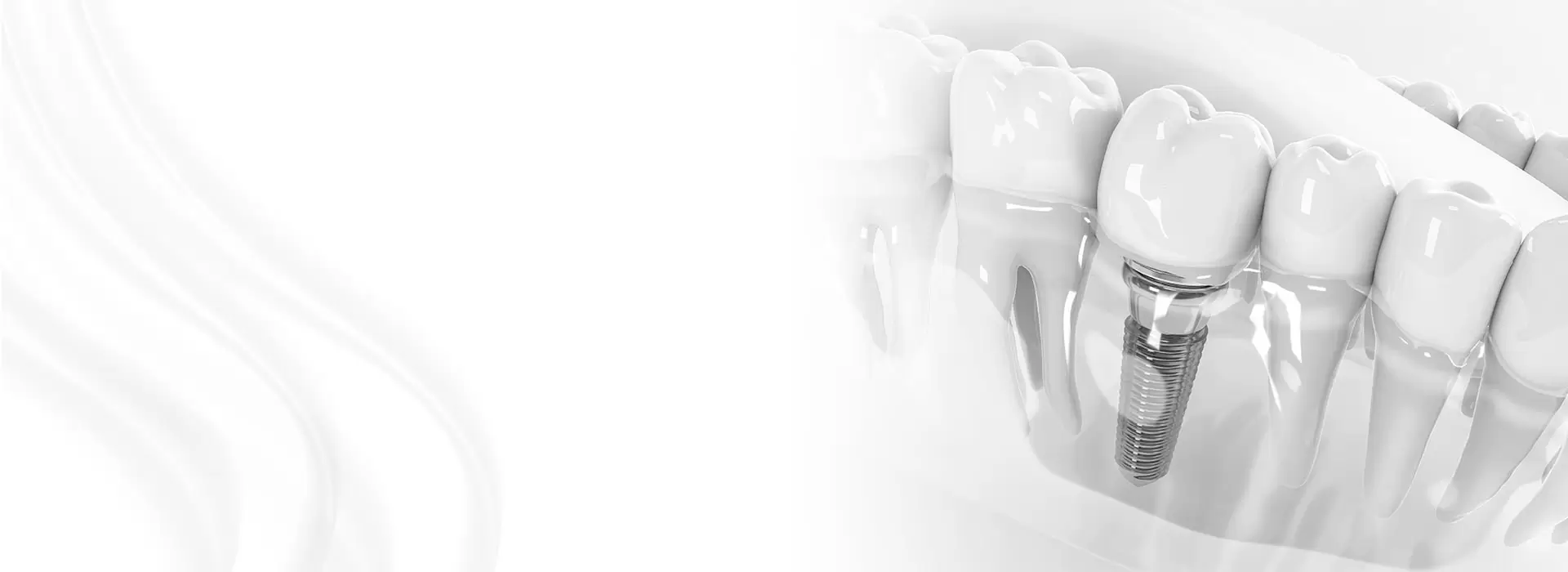
An assessment is especially important before whitening if you have dental implants, crowns, veneers, bonding, braces, gum recession, or a single darkened tooth. These situations may require a different cosmetic plan. In some cases, replacing or reshaping a restoration will create a more balanced result than bleaching alone.
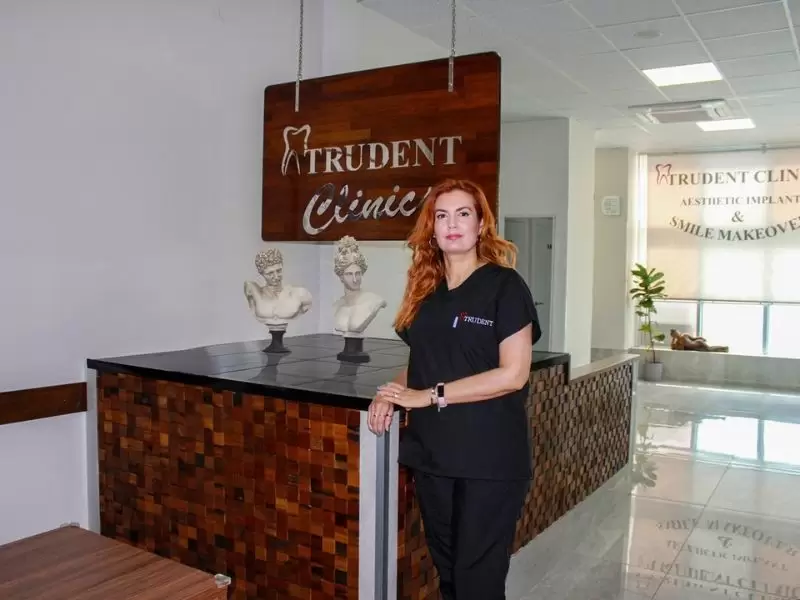
At TruDent Clinics in Izmir, a consultation can connect your goals with an individual treatment plan. Depending on your needs, the discussion may include home whitening, professional bleaching, veneers, crowns, smile makeover options, or treatment for underlying dental problems. Personalised guidance helps you pursue a brighter smile without sacrificing comfort or enamel health.
A brighter smile begins with knowing the cause of discoloration and choosing a controlled method rather than the strongest product available. Schedule a consultation with TruDent Clinics to assess your teeth, discuss safe whitening options, and receive a plan suited to your smile.