The best ways to whiten your teeth naturally without damaging enamel
A natural-looking whiter smile usually comes from removing stains and keeping teeth healthy rather than making enamel lighter. Enamel cannot regrow after acid erosion or abrasive brushing, so harsh home remedies can do more harm than good. A safe approach combines a gentle oral routine, a dental assessment and, when suitable, controlled whitening.
Australian habits make this practical. Melbourne flat whites, Sydney iced coffees, long commutes and Brisbane summer smoothies can contribute to staining or erosion. The right plan accounts for those routines, protects the enamel and sets realistic expectations without pretending that every shade change can be achieved at home.
What natural whitening can realistically change
Whitening does not make the enamel itself white. Peroxide can break down pigments within a tooth and lighten the dentine underneath, but natural tooth colour, age and existing restorations determine the result. A person with naturally grey or yellow dentine may achieve a brighter shade without reaching the flat white seen in advertisements.
Discolouration also has causes that polishing cannot solve. Plaque can look yellow, while hardened calculus forms a firm deposit along the gumline. A professional scale and polish may make teeth noticeably cleaner while leaving their underlying shade unchanged. Good oral care helps prevent this build-up from returning between visits.
Get dental problems assessed before starting a whitening routine. Bleaching should not be attempted over active decay, leaking fillings, cracked teeth, untreated gum disease or exposed root surfaces. Sensitivity can also point to hidden damage, and a dentist can distinguish a temporary reaction from a problem that needs treatment.
Everyday habits that affect tooth colour
Coffee, tea, red wine, tomato sauce, soy sauce, berries and some medicines can leave extrinsic stains, especially when teeth are porous or dry. Melbournians who take a flat white through the morning and Sydney commuters who sip an iced coffee across a workday may notice the build-up even with careful brushing.
Acid is a separate concern. Sports drinks, fruit smoothies and sparkling water can soften the enamel surface, while frequent grazing makes teeth more vulnerable to abrasion. In Brisbane’s summer heat, choosing water between acidic drinks is useful. Rinse with water and wait about 30 minutes before brushing instead of using extra pressure against a softened surface.
Saliva helps protect teeth, so regular water intake matters, especially during long commutes or meetings. Chewing sugar-free gum after meals can encourage saliva flow. Neither habit whitens enamel, but both support an environment in which stains are easier to manage and sensitivity is less likely.
An enamel-safe routine for daily life
A practical daily routine addresses staining without sacrificing enamel or irritating the gums.
Habits worth keeping
- Brush twice daily with fluoride toothpaste and a soft brush.
- Use a reputable whitening toothpaste when surface-stain removal is the goal.
- Rinse with water after coffee, tea or an acidic drink.
- Floss daily and keep scheduled dental checks and cleans.
Habits worth limiting
- Avoid sipping coffee or tea continuously through the day.
- Delay brushing for 30 minutes after acidic drinks.
- Skip charcoal, pumice, lemon juice and vinegar remedies.
- Limit tobacco and frequent dark sauces, berries or red wine.
Technique matters as much as frequency. Use gentle circular movements and avoid applying extra pressure because a whitening toothpaste is already mildly abrasive. If a professional has recommended a stronger preparation, follow their instructions rather than also using several abrasive products at once. Plaque removal keeps the mouth healthy and makes any whitening result easier to maintain.
Sensitivity can occur even when enamel is healthy. A toothpaste containing potassium nitrate or a suitable fluoride formula may help, and your dentist can advise on a short break or a lower-strength product. Sharp or persistent pain, sensitivity to hot drinks or pain that lasts for days should be assessed rather than treated as a normal side effect.
Results from a whitening toothpaste generally depend on consistent use and the type of stain being removed. They are intended to maintain a brighter shade, not create a dramatic transformation. Existing restorations will not change colour, so anyone with visible fillings or crowns should discuss the likely mismatch before spending money on whitening products.
Professional whitening and aftercare
Dentist-supervised options include custom take-home trays with controlled gels and in-chair bleaching. A custom tray places the active ingredient where it is needed while limiting contact with the gums. An in-chair treatment may be suitable for some people, but neither approach is appropriate for every tooth or every patient.
Before choosing a provider, ask what the active ingredient is, how the treatment is controlled and what aftercare is included. Reviewing clinical whitening guidance can help you assess whether a clinic offers a proper assessment rather than relying on a photograph or a promise of instant shade change.
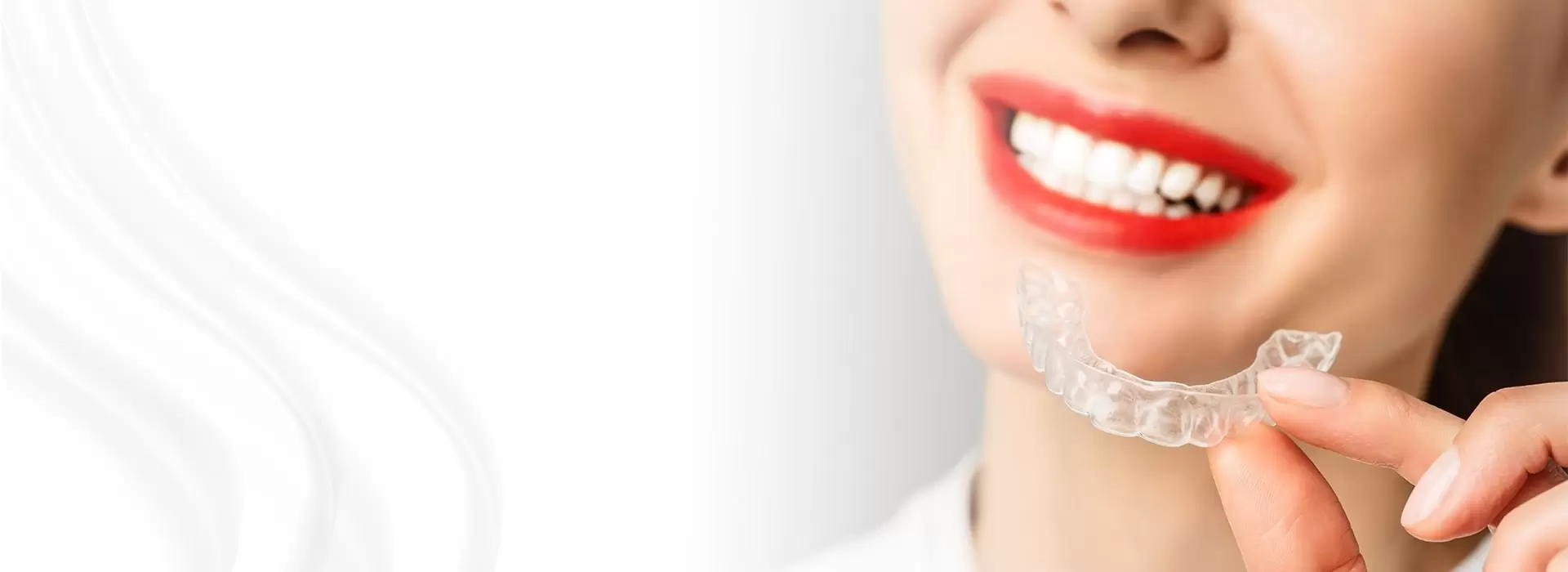
Fillings, crowns and veneers do not whiten like natural teeth, so existing dental work may need replacing to match a lighter shade. If veneers, crowns or aligners are part of the wider smile plan, their timing should be coordinated. Follow the prescribed schedule, avoid strongly coloured food and drinks for the period advised by the dentist, and maintain excellent cleaning between visits.
Australian market checks and legal safeguards
Australian consumers can find whitening toothpaste in supermarkets, lower-strength kits through pharmacies and professional treatments at dental practices. Compare the active ingredient, contact time, claimed results and instructions for managing sensitivity rather than choosing solely by price. Online beauty products and unverified imported gels may lack reliable information about safety, storage or legal supply.
Many Australian dental policies exclude teeth whitening because it is commonly treated as a cosmetic service. Check the policy wording or ask the insurer in writing. Obtain more than one quote and clarify whether the price includes an examination, any necessary cleaning, the whitening materials, follow-up appointments and protection for sensitivity.
The Therapeutic Goods Administration regulates peroxide whitening products as therapeutic goods. Concentrations above 0.1% hydrogen peroxide are generally supplied only through an authorised dental practitioner, while lower-strength products may be available from pharmacies and supermarkets. State dental boards set the scope of practice for assessments and treatment, and the Australian Consumer Law prevents misleading advertising. Check the Australian Register of Therapeutic Goods and ask a dentist to explain any product label.
Australians comparing local quotes with treatment abroad should include flights, accommodation, revisions and time away from work in the total cost. TruDent Clinics in Izmir provides a practical overview of dental tourism in Izmir, which is useful when weighing those factors. Check the dentist’s qualifications, request written treatment and aftercare details, and plan how follow-up will work after returning home.
Your next step toward a safe, brighter smile
A sound whitening plan starts with identifying the cause of the discoloration, checking the health of the gums and teeth and deciding whether a brighter but natural shade is realistic. Photographs can help track progress, while a professional clean may be needed before bleaching begins. It also helps to set a maintenance routine you can maintain around coffee, tea, sports drinks and busy workdays.
Elective whitening should generally be postponed during pregnancy or breastfeeding. People with gum disease, decay, damaged fillings, exposed roots, cracked teeth or significant sensitivity should resolve those concerns first. Age also matters because exposed dentine and worn enamel can respond differently from younger, intact teeth.
Start with a dental check-up and a clear discussion of the shade you want. If you are in Izmir or considering a trip, TruDent Clinics can assess whitening alongside cosmetic and general dental needs and develop a personalised plan. Book a consultation before buying a high-strength kit, and give the dentist an opportunity to identify damage that no amount of polishing can fix.