Single Tooth Implant Or Implant-Supported Bridge
Replacing a missing tooth involves more than filling a visible gap. The choice between a single dental implant and an implant-supported bridge affects the number of implants required, the treatment timeline, future maintenance, appearance, and the way chewing forces are distributed. Both options can provide a stable, natural-looking result when planned carefully.
At TruDent Clinics in Izmir, treatment planning begins with an assessment of your teeth, gums, bone volume, bite, and overall health. Patients travelling from Australia can discuss imaging, treatment stages, restoration materials, and aftercare before deciding whether an implant crown or an implant-retained bridge is more appropriate.
What Each Treatment Replaces
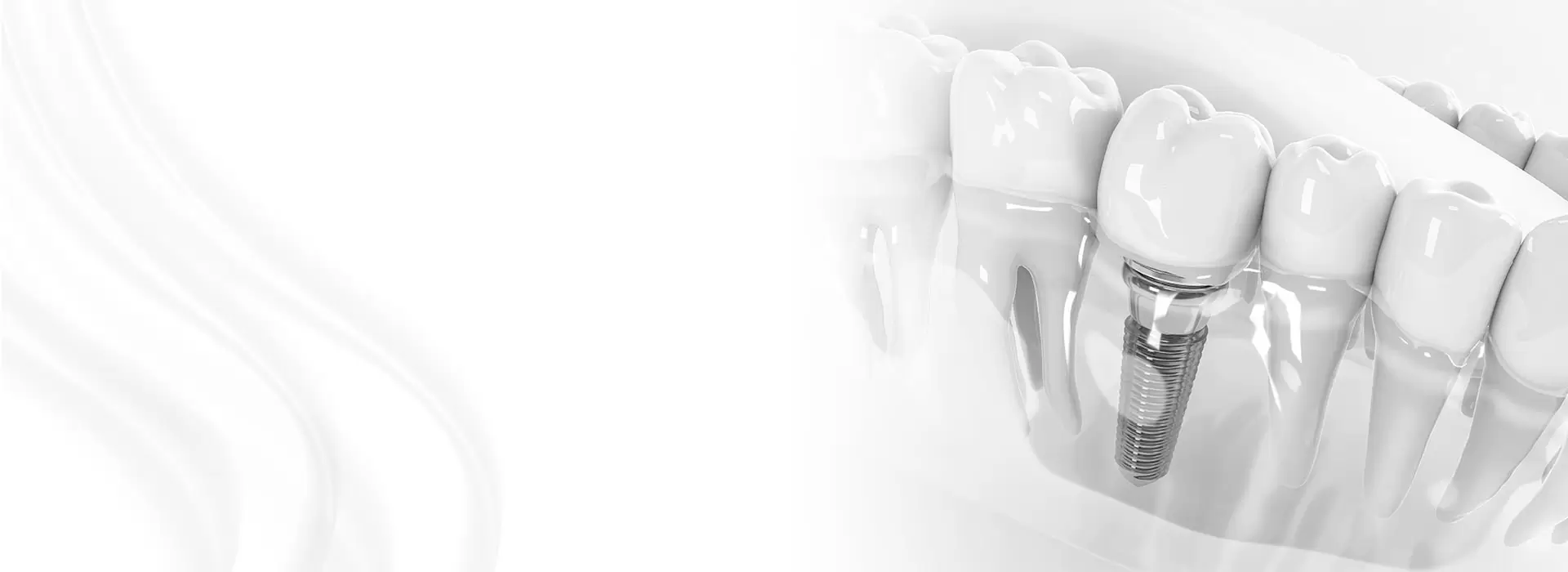
A single tooth implant replaces one missing tooth from root to crown. The dentist places a titanium or other biocompatible implant into the jawbone, allows it to integrate with the bone, and then attaches an abutment and custom crown. The completed restoration is independent of neighbouring teeth.
An implant-supported bridge replaces two or more adjacent missing teeth. Instead of placing an implant beneath every missing tooth, two or more implants act as supports for a connected series of crowns. For example, a three-unit bridge may replace three teeth while being anchored by implants at each end.
This distinction is important because a bridge is designed as one connected restoration, while a single implant crown can be flossed and maintained like an individual tooth. The most suitable arrangement depends on the number and position of missing teeth, available bone, and the condition of nearby teeth.
How Surgery And Restoration Differ
For a single implant, the surgical stage usually involves one implant site. After healing and osseointegration, the dentist fits an abutment and crown. A temporary tooth may be provided during healing, depending on the location, stability of the implant, and cosmetic requirements.
An implant-supported bridge generally requires two or more implant sites. The bridge is then designed to spread chewing forces across those fixtures. It can be a practical solution when several neighbouring teeth are absent, although it involves a larger restoration and more complex cleaning around the joins and implant-supported areas.
Neither option should be selected solely because it requires fewer implants. A bridge may reduce the number of fixtures compared with replacing every tooth separately, but each implant still needs adequate bone support. Your clinician also needs to evaluate bite pressure, gum health, sinus position in the upper jaw, and any need for bone grafting.
Suitability, Bone Support And Oral Health
A single tooth implant is often considered when one tooth is missing and the adjacent teeth are healthy. It avoids grinding down those teeth for a conventional bridge and preserves separate tooth positions. It may be less suitable if the gap is too narrow, bone has resorbed significantly, or the patient has untreated gum disease.
An implant-supported bridge can be useful when several teeth are missing in the same area. It may also be considered when the neighbouring teeth cannot support a conventional bridge or when placing an implant beneath each missing tooth would be unnecessary. A detailed examination helps determine whether the proposed implant positions can carry the restoration safely.
Smoking, poorly controlled diabetes, active periodontal disease, some medications, and inadequate oral hygiene can affect healing or long-term implant stability. These factors do not automatically rule out treatment, but they may require medical coordination, improved hygiene, smoking cessation, or additional planning before surgery.
Key Differences At A Glance
| Feature |
Single Tooth Implant |
Implant-Supported Bridge |
| Teeth replaced |
Usually one missing tooth |
Usually two or more adjacent teeth |
| Implant support |
One implant for one crown |
Two or more implants support a connected bridge |
| Effect on nearby teeth |
Usually leaves healthy neighbouring teeth untouched |
Nearby teeth may remain untouched, but the restoration is joined |
| Cleaning |
Similar to cleaning an individual crown, with special flossing around the implant |
Requires floss threaders, interdental brushes, or water flossing beneath the bridge |
| Surgical scope |
Often fewer implant sites |
More implant sites and a larger restoration |
| Repair considerations |
A damaged crown may be treated independently |
Problems can affect the connected bridge or several replacement teeth |
| Common planning factors |
Single gap, bone width, crown position, bite |
Length of gap, implant distribution, bite forces, bridge design |
| Long-term care |
Regular professional reviews and implant hygiene |
Regular reviews, careful cleaning under and around the bridge |
The table provides a general comparison rather than a diagnosis. A bridge may be the efficient option for a row of missing teeth, while separate implants may offer easier cleaning and independent replacement. The final design should be based on clinical findings, not just the number of implants.
Appearance, Comfort And Daily Maintenance
Both restorations can be colour-matched to your natural teeth and shaped to suit your smile. A single implant crown can be highly individualised because it is designed for one tooth. This can be helpful in the front of the mouth, where small differences in tooth length, translucency, and gum contour are noticeable.
An implant-supported bridge can also look natural, particularly when the laboratory carefully designs the gum profile and contacts between crowns. However, its connected structure means the appearance and function of several replacement teeth are linked. The bridge must be kept clean underneath, where food particles and plaque can accumulate.
Patients should receive personalised hygiene instruction after either procedure. Daily brushing, interdental cleaning, and regular professional maintenance help protect the gums around implants. Dental implants cannot develop tooth decay, but the surrounding tissues can become inflamed, and peri-implant disease may threaten support if it is not managed.
Costs, Travel And Australian Considerations
Treatment fees vary according to the number of implants, crown or bridge material, extractions, bone grafting, sedation, imaging, and laboratory work. An implant-supported bridge may use fewer implants than replacing each missing tooth individually, although the bridge itself is a larger and more technically involved restoration. A written treatment plan should separate surgical, restorative, imaging, and follow-up fees.
For Australians comparing care in Melbourne, Sydney, Brisbane, Perth, or Adelaide with treatment overseas, the total budget should include flights, accommodation, time away from work, travel insurance, and possible follow-up visits. Some patients combine dental care with a trip to Izmir, but implant treatment should never be rushed to fit a holiday schedule.
Private health insurance extras vary considerably. Many policies have waiting periods, annual limits, item restrictions, or exclusions for implants and major dental work. Medicare generally does not cover routine adult dental implant treatment, so Australian patients should check their individual policy and obtain written information about what is and is not reimbursed.
In Australia, dental practitioners must meet registration requirements overseen through the Australian Health Practitioner Regulation Agency and the Dental Board of Australia. When treatment is provided overseas, patients should confirm the dentist’s qualifications, the clinic’s emergency arrangements, implant brand and records, restoration materials, and who will manage complications after returning home. Clear documentation can help an Australian dentist continue maintenance if needed.
Treatment Planning And Long-Term Results
The consultation normally includes an oral examination, photographs, digital scans or impressions, and three-dimensional imaging when appropriate. The dentist assesses the gap, neighbouring teeth, bite, bone dimensions, gum tissue, and aesthetic expectations. If a tooth has recently been removed, the timing of implant placement may differ from a case involving a long-standing gap.
A temporary restoration may be used while the implant heals, particularly for a visible front tooth. Healing times vary by location, bone quality, grafting, and individual health. A bridge may involve fewer surgical sites but still requires enough healing time before the final restoration is placed and the bite is adjusted.
Long-term success depends on more than the initial procedure. Avoiding tobacco, attending review appointments, controlling plaque, and addressing teeth grinding can protect the implant and restoration. A night guard may be recommended for patients who clench or grind, while regular radiographs can help monitor bone levels when clinically indicated.
At TruDent Clinics, a consultation can clarify whether a single implant crown or an implant-supported bridge better suits your missing teeth, oral health, and travel plans. Contact the clinic to arrange an assessment and receive a personalised treatment plan covering procedures, timing, materials, aftercare, and expected costs.