Smile makeover or cosmetic bonding: choosing the right treatment
A more attractive smile can improve facial balance, confidence, and the way you feel in everyday conversations. However, cosmetic dentistry is not a single treatment. Two options that are often considered for similar concerns are cosmetic bonding and a complete smile makeover. They can both improve the appearance of teeth, but they differ greatly in scope, materials, planning, and long-term expectations.
Cosmetic bonding is usually a focused treatment for one or several minor imperfections. A dentist applies tooth-coloured composite resin directly to the enamel, shapes it, and hardens it with a special light. A smile makeover is a personalised treatment plan that may combine several procedures to address the colour, shape, alignment, proportion, and function of the smile.
Choosing between them depends on your dental health, aesthetic goals, budget, available treatment time, and willingness to maintain the result. A detailed consultation at TruDent Clinics can help identify which approach is appropriate for your teeth and overall oral health.
What each treatment involves
Cosmetic bonding uses a composite material that is matched to the natural shade of your teeth. The dentist prepares the surface, applies the resin, moulds it to the desired shape, and polishes it. The procedure often requires little or no removal of healthy enamel, making it a conservative option for small chips, gaps, uneven edges, or slight changes in tooth shape.
The treatment is commonly completed in one appointment, although several teeth may require additional planning. Because the resin is placed directly on the tooth, the dentist can make subtle adjustments to length, contour, and symmetry. Bonding can produce an immediate improvement without the laboratory stage associated with veneers or crowns.
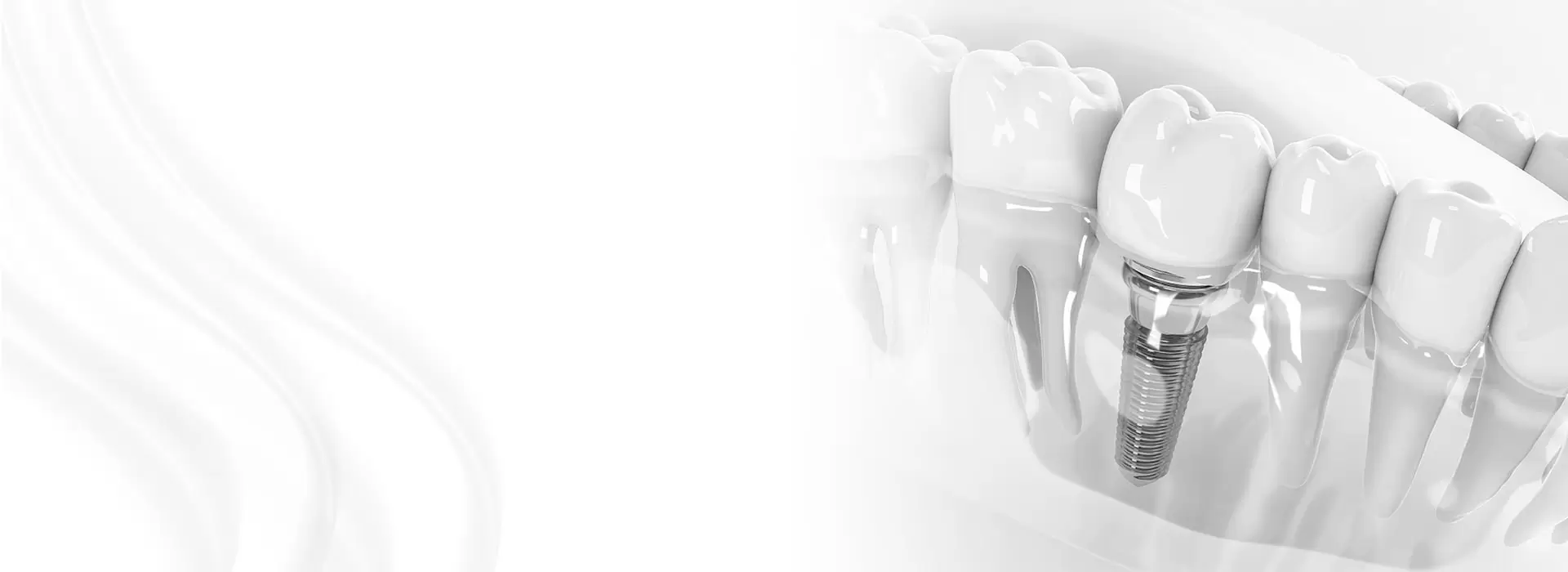
A smile makeover is broader and may involve two or more cosmetic or restorative procedures. Depending on your needs, the plan could include professional teeth whitening, porcelain veneers, dental crowns, invisible aligners, gum contouring, or dental implants. The objective is to create a balanced result while also addressing underlying dental problems such as decay, missing teeth, worn enamel, or bite issues.
How the goals and results differ
Bonding is best suited to relatively minor aesthetic changes. It can close a small gap, repair a chipped incisor, soften sharp edges, or make one tooth look more even with its neighbours. It is particularly useful when the existing teeth are healthy and their position, size, and colour are already generally satisfactory.
The result is designed to look natural rather than completely transform the smile. Composite resin can be carefully shaped and polished, but it may not provide the same translucency, colour stability, or structural strength as porcelain. It is also more dependent on the dentist’s sculpting technique and your habits after treatment.
A smile makeover is appropriate when several features of the smile need attention at the same time. A patient may want whiter teeth, improved tooth proportions, straighter-looking teeth, and a more harmonious gum line. In such cases, combining treatments can create a consistent appearance that a single procedure cannot achieve.
The phrase “smile makeover” describes a tailored plan rather than a fixed treatment package. Some patients may need only whitening and a few veneers, while others may require orthodontic treatment, crowns, or implant-supported teeth before cosmetic finishing work can begin.
Comparing durability, maintenance and cost
The lifespan of cosmetic bonding varies according to the amount of material used, the location of the tooth, bite pressure, and personal habits. Front teeth used mainly for biting soft foods may retain bonding for many years. Frequent nail biting, chewing ice, opening packages with the teeth, or grinding can increase the risk of chipping.
Bonding can usually be repaired or refreshed without replacing an entire restoration. However, composite resin may stain over time, particularly with regular consumption of coffee, tea, red wine, or tobacco. Good oral hygiene, routine dental examinations, and professional polishing can help preserve its appearance.
A smile makeover usually involves a higher investment because it may include several appointments, advanced materials, laboratory-made restorations, and preparatory treatments. Porcelain veneers and crowns generally offer stronger stain resistance and a longer service life than composite bonding, although they still require careful maintenance and can be affected by grinding or trauma.
| Feature |
Cosmetic bonding |
Smile makeover |
| Main purpose |
Corrects minor chips, gaps, shape concerns, or small discolourations |
Improves several aesthetic and functional aspects of the smile |
| Typical material |
Tooth-coloured composite resin |
May include porcelain, composite, ceramic, aligners, implants, or crowns |
| Treatment time |
Often completed in one visit |
Can range from a few visits to several months |
| Enamel removal |
Usually minimal or none |
Depends on the procedures selected |
| Durability |
Commonly several years with proper care |
Often longer for porcelain restorations, but varies by treatment |
| Changes possible |
Subtle and localised |
More comprehensive changes to colour, shape, alignment, and function |
| Relative cost |
Generally lower |
Varies and is usually higher when multiple procedures are combined |
| Reversibility |
Often repairable and relatively conservative |
Depends on the restoration; some procedures are irreversible |
Which concerns each option can address
Bonding may be a good choice for small spaces between teeth, slightly irregular edges, minor cracks, short teeth, or isolated discolouration that does not respond well to whitening. It can also help improve the appearance of teeth that are mildly worn or misshapen. The surrounding teeth should usually be healthy, and the bite must allow the composite to function safely.
Bonding is less suitable for severe staining, major misalignment, extensive tooth damage, or teeth that need significant structural support. It may also be unreliable when a person has untreated bruxism, advanced enamel loss, active gum disease, or a deep bite that places excessive force on the front teeth.
A smile makeover can address a wider combination of concerns. Whitening can improve overall shade, while veneers can alter the visible shape and proportions of selected teeth. Crowns may restore heavily damaged teeth, and aligners can gradually improve crowding or spacing. Dental implants may replace missing teeth and provide a stable foundation for a natural-looking restoration.
The sequence matters. Gum disease, decay, infection, and bite problems should be treated before elective cosmetic procedures. Treating these issues first protects the final result and helps ensure that cosmetic dentistry supports long-term oral health rather than covering up an unresolved problem.
What happens during planning and treatment
The first stage is a comprehensive dental assessment. Your dentist may examine the teeth and gums, review your bite, take photographs, and use digital scans or X-rays where appropriate. This information helps determine whether bonding alone can meet your goals or whether a broader treatment plan would be more predictable.
Your dentist should also discuss tooth colour, facial features, lip movement, tooth proportions, and how much of the teeth show when you smile. A smile design should suit your appearance rather than follow a uniform template. If several procedures are involved, the dentist will explain the order of treatment, expected appointments, healing periods, and temporary changes to your routine.
For bonding, the appointment is generally straightforward. The tooth is cleaned and prepared, the resin is layered and shaped, and the final surface is polished. Local anaesthesia is often unnecessary unless the treatment is combined with another procedure. Small adjustments can usually be made during the same visit.
For a smile makeover, planning may include digital previews, trial restorations, or temporary teeth before final veneers or crowns are placed. If aligners, implants, or gum treatment are required, the complete process may take considerably longer. A careful plan reduces the chance of colour, shape, or bite discrepancies between different restorations.
Practical steps before you decide
The best option is the one that matches your dental condition and the level of change you want to achieve. A conservative treatment may be enough for a single chipped tooth, while a combination plan may be more appropriate when multiple concerns affect the smile. Your dentist should explain alternatives rather than recommend a procedure based only on appearance.
Consider these points during your consultation:
- Identify whether your main concern is a small imperfection or several connected smile issues.
- Ask how much enamel would be removed and whether the treatment can be repaired or reversed.
- Discuss the expected lifespan, staining risk, maintenance requirements, and possible need for future replacement.
- Share information about tooth grinding, jaw discomfort, previous dental work, and any sensitivity.
- Request a clear treatment sequence and written estimate if several procedures are being considered.
It is also important to consider timing. Bonding may suit someone who wants a quick cosmetic improvement, while a smile makeover may require staged visits and a longer period of planning. If you are travelling for treatment, confirm the number of appointments, follow-up arrangements, and what happens if an adjustment is needed after you return home.
TruDent Clinics in Izmir can assess your smile, explain suitable cosmetic and restorative options, and create a treatment plan based on your priorities. Whether you need discreet composite bonding or a more comprehensive combination of veneers, whitening, aligners, crowns, or implants, schedule a consultation to take the next step toward a healthier, more balanced smile.