Bonding And Veneers: Choosing The Right Smile Enhancement
Dental bonding and veneers can both improve the appearance of teeth, yet they achieve that result in different ways. Bonding adds tooth-coloured composite resin directly to the tooth, while veneers cover the visible front surface with a thin, custom-made shell. The right treatment depends on your smile goals, tooth condition, budget, and expectations for longevity.
These cosmetic dentistry options can address several concerns, including chipped edges, small gaps, uneven tooth shapes, discoloration, and mild irregularities. However, they are not interchangeable in every case. A careful examination helps determine whether your teeth are suitable for composite bonding, porcelain veneers, or another treatment such as crowns or orthodontic alignment.
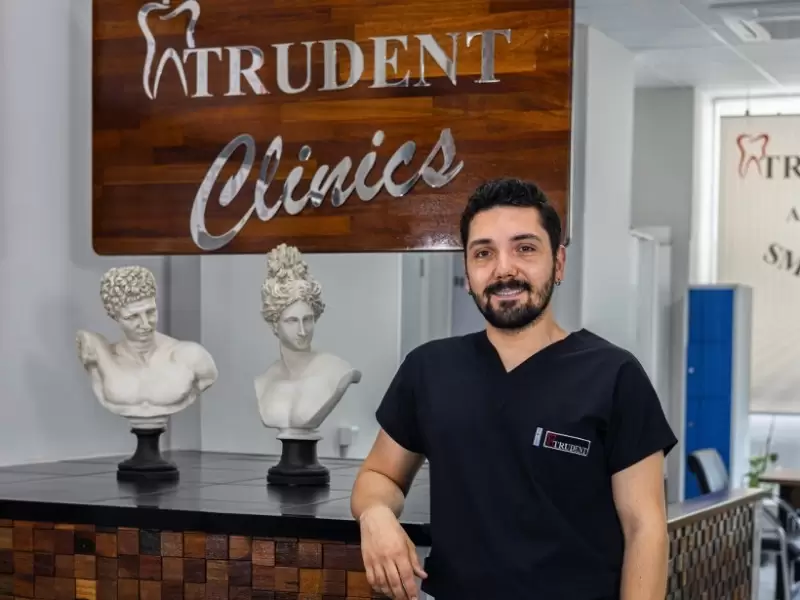
TruDent Clinics in Izmir provides personalized dental consultations for patients seeking aesthetic and general dentistry. By assessing your enamel, bite, gum health, and facial proportions, the dental team can recommend a smile enhancement plan designed around your needs rather than applying the same solution to every patient.
What Dental Bonding Involves
Dental bonding uses a tooth-coloured composite resin that is carefully shaped and polished on the tooth. The dentist first prepares the surface so the material adheres securely. The resin is then layered, hardened with a curing light, and refined to match the surrounding teeth. In many cases, the process can be completed during one appointment.
Composite bonding is especially useful for minor cosmetic changes. It can repair a small chip, close a limited gap, lengthen a worn edge, or improve the contour of a tooth. Since the dentist usually removes little or no enamel, bonding is considered a conservative option. It can also be easier to adjust or repair if a small area becomes damaged.
The material does have limitations. Composite resin is generally more vulnerable to staining and wear than high-quality porcelain. Coffee, tea, red wine, tobacco, and strongly coloured foods may affect its appearance over time. Bonding may therefore suit patients who want a subtle improvement with a shorter treatment process and understand that occasional maintenance may be necessary.
How Veneers Transform A Smile
Veneers are thin shells placed over the front surfaces of teeth. Porcelain veneers are made in a dental laboratory from impressions or digital scans, while some cases may involve carefully planned composite veneers. Porcelain is valued for its lifelike translucency, smooth texture, and resistance to many everyday stains.
Before treatment, the dentist evaluates the colour, size, alignment, and proportion of each tooth. A digital smile design or trial arrangement may help preview the proposed result. Depending on the selected technique and the condition of the teeth, a small amount of enamel may need to be prepared to create space for the veneers and support a natural appearance.
Veneers can create a more comprehensive smile makeover when several teeth require coordinated changes. They may improve persistent discoloration that does not respond well to whitening, uneven tooth shapes, spaces, and mild visual misalignment. They cannot replace healthy tooth structure or correct every bite problem, so a full assessment remains essential.
Key Differences At A Glance
The main difference between bonding and veneers is the balance between conservatism, durability, appearance, and treatment scope. Bonding is applied directly in the dental chair and can often be completed quickly. Veneers involve detailed planning and custom fabrication, making the process more involved but potentially providing greater consistency across multiple teeth.
Neither treatment should be selected solely by comparing advertised prices. A lower initial cost may be appropriate for a small repair, while a broader smile transformation may require the colour stability and design control of porcelain. Existing fillings, enamel thickness, tooth grinding, gum health, and bite pressure can all influence the recommendation.
| Feature |
Dental Bonding |
Porcelain Veneers |
| Material |
Tooth-coloured composite resin |
Custom-made ceramic or porcelain |
| Typical use |
Small chips, gaps, reshaping, minor discoloration |
Broader changes in colour, shape, and visible alignment |
| Treatment time |
Often one visit |
Usually consultation, preparation, and fitting appointments |
| Tooth preparation |
Minimal or none in many cases |
May require limited enamel preparation |
| Appearance |
Natural when carefully sculpted and polished |
Highly lifelike with stable surface texture |
| Stain resistance |
Moderate; resin can discolor |
Generally high, although surrounding teeth can still stain |
| Repairability |
Usually straightforward to repair or modify |
Can be repaired in some cases but often requires replacement |
| Longevity |
Commonly several years with good care |
Often lasts many years when properly planned and maintained |
| Best suited to |
Conservative, focused cosmetic corrections |
Durable, coordinated smile enhancements |
Which Option Fits Your Smile
Bonding may be a strong choice when the teeth are generally healthy and the desired changes are limited. Patients with one chipped incisor, a small space, or slightly uneven edges may achieve an attractive result without committing to a more extensive restorative procedure. It can also be useful when preserving natural enamel is a high priority.
Veneers may be more appropriate when several visible teeth need a unified change. They can provide a consistent shade and shape across the smile, particularly when whitening alone cannot achieve the desired colour. Porcelain may also be preferable for patients who want a highly polished result with improved resistance to everyday staining.
Certain situations require treatment before either cosmetic option. Active decay, gum disease, untreated sensitivity, or an unstable bite should be addressed first. Patients who clench or grind their teeth may need a protective night guard, bite evaluation, or a different restorative plan. If teeth are significantly weakened, crowns may offer more appropriate protection than veneers or bonding.
Durability, Maintenance, And Cost
The lifespan of a cosmetic dental treatment depends on material quality, bite forces, oral hygiene, diet, and professional maintenance. Bonding can remain attractive for years when patients avoid biting hard objects and attend regular examinations. Small repairs or polishing may be needed as the composite ages.
Porcelain veneers are harder and more stain resistant, but they are not indestructible. Biting ice, pens, fingernails, or very hard foods can place excessive force on any restoration. A veneer may chip or loosen if the bite is not properly managed. Daily brushing with a soft toothbrush, flossing, and routine dental cleanings help protect both the veneers and the natural teeth underneath.
Treatment fees vary according to the number of teeth, the chosen material, laboratory work, preparation requirements, and any preliminary care. Bonding generally has a lower cost per tooth, while porcelain veneers involve laboratory design and fabrication. A personalized quote from TruDent Clinics can clarify what is included and whether additional procedures are needed.
Planning Treatment At TruDent Clinics
A consultation should begin with an examination of the teeth, gums, bite, and facial balance. The dentist may review photographs, X-rays, or digital scans to understand the condition of the smile beneath its visible appearance. This information helps identify problems that could affect the success or comfort of cosmetic treatment.
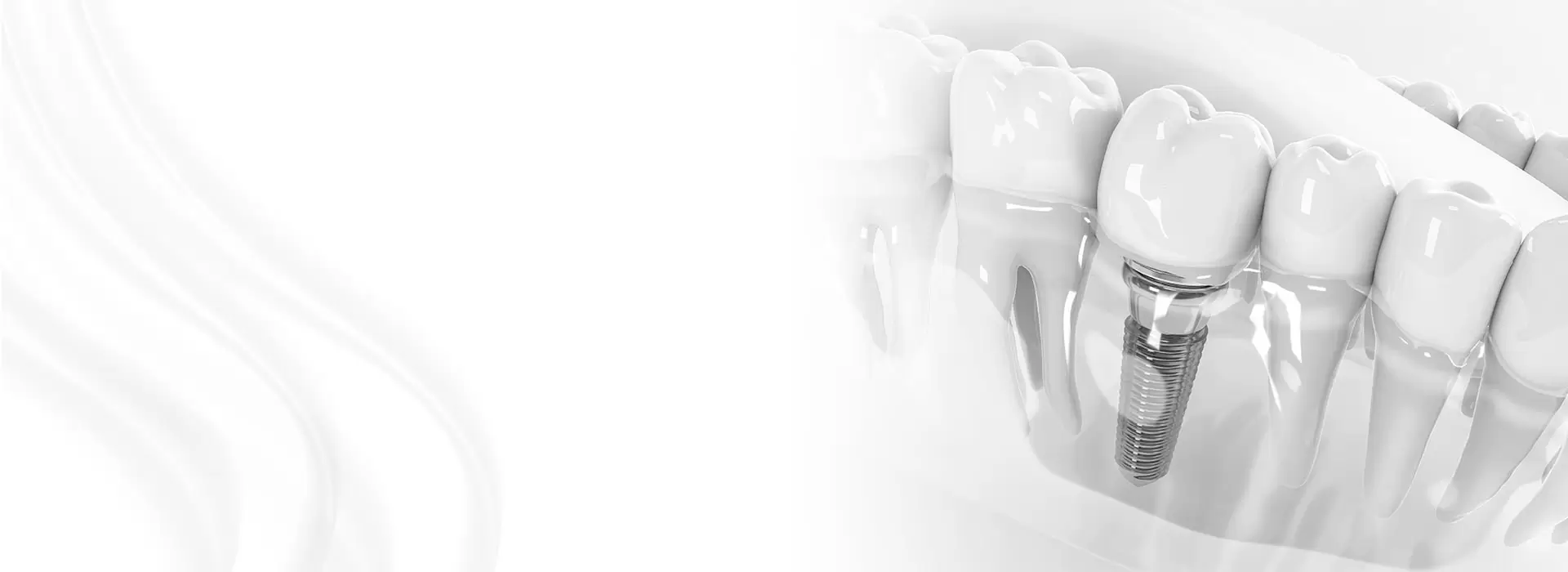
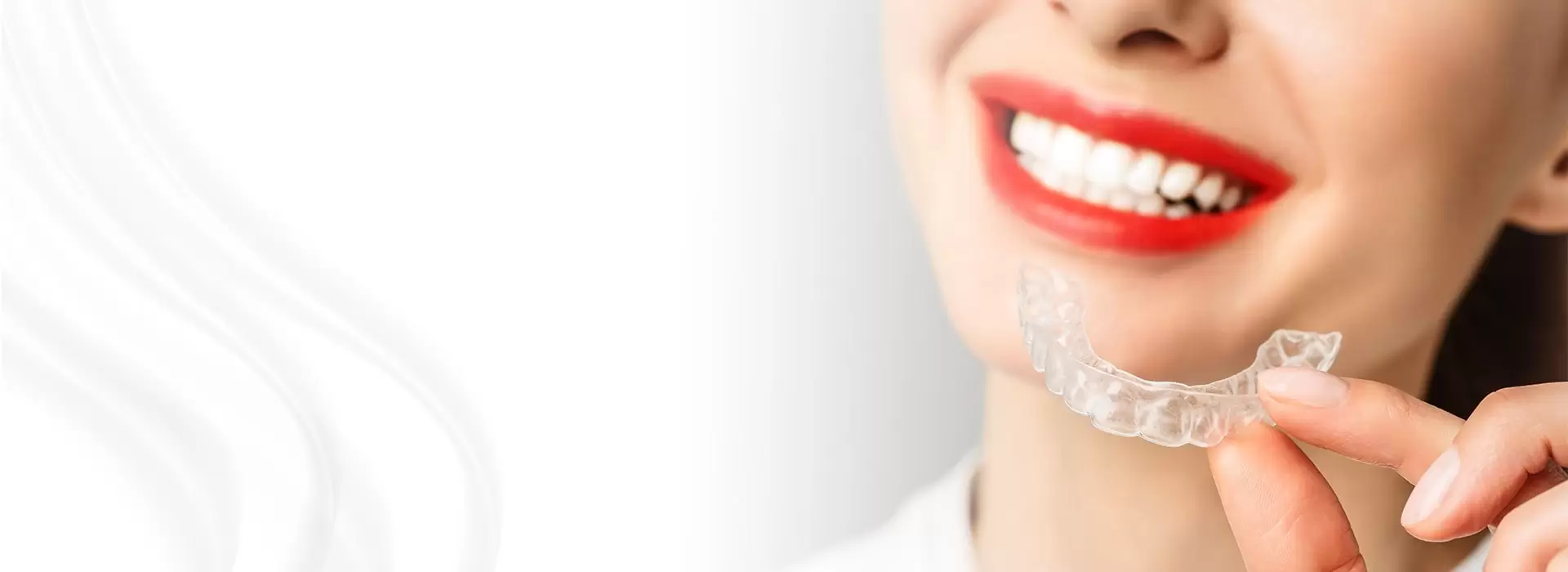
Patients should discuss their preferred shade, the level of change they want, their previous dental work, and any history of sensitivity or tooth grinding. A natural-looking result depends on proportion and harmony, so the goal is usually to improve the smile while keeping it consistent with the patient’s features. At TruDent Clinics, treatment planning can include veneers, bonding, whitening, invisible aligners, crowns, or implants when clinically appropriate.
A staged plan may sometimes be preferable to immediate cosmetic work. For example, alignment with clear aligners can create a better foundation before reshaping teeth. Whitening may be completed before bonding or veneers so the final shade is selected accurately. This coordinated approach can reduce unnecessary treatment and support a more predictable result.
Practical Steps For A Successful Result
- Arrange a comprehensive consultation before choosing a material or number of treated teeth.
- Share information about tooth grinding, sensitivity, previous restorations, and your usual diet.
- Ask whether the proposed treatment is reversible, how much enamel preparation is required, and what maintenance may involve.
- Consider whitening or orthodontic alignment first if these treatments could improve the final result.
- Protect the restorations with good oral hygiene, regular check-ups, and a night guard when recommended.
The choice between composite bonding and veneers should reflect the health of your teeth as well as your aesthetic goals. Bonding offers a conservative and efficient way to make focused improvements, while porcelain veneers can deliver a durable, coordinated transformation for suitable patients. A professional assessment is the safest way to compare both options for your individual smile.
Book a consultation with TruDent Clinics in Izmir to discuss your concerns, review suitable cosmetic dentistry treatments, and receive a personalized plan for a healthier, more confident smile.