Cosmetic and restorative dentistry explained
Dental treatment can improve how your smile looks, how your teeth function, or both. Cosmetic dentistry focuses primarily on appearance, while restorative dentistry is concerned with repairing damage, replacing missing tooth structure, and protecting oral health. The two areas often work together, especially when a tooth is discoloured, worn, cracked, or weakened.
Understanding the difference helps patients choose suitable care and set realistic expectations. A brighter smile may require whitening or veneers, while pain, decay, fractures, or missing teeth call for restorative procedures. In some cases, a carefully coordinated treatment plan can address health and aesthetics at the same time.
At TruDent Clinics in Izmir, Turkey, consultations are designed around the condition of each patient’s teeth, gums, bite, and smile goals. A dentist can assess what needs to be treated first and explain which options may provide a durable, natural-looking result.
What cosmetic dentistry addresses
Cosmetic dentistry aims to enhance visible features such as tooth colour, shape, proportion, alignment, and overall smile balance. Common treatments include professional teeth whitening, dental veneers, bonding, aesthetic crowns, and smile makeovers. These procedures may be suitable when teeth are healthy but have staining, minor chips, uneven edges, or shape concerns.
Some cosmetic treatments involve little or no alteration to the natural tooth, while others require preparation. Whitening changes colour without changing tooth structure. Veneers cover the front surface of selected teeth to refine their appearance, whereas crowns surround a tooth and may be recommended when it also needs structural support.
The best aesthetic plan depends on facial proportions, gum display, tooth position, and the patient’s preferences. A dentist should also check for active decay, gum disease, enamel weakness, or bite problems before beginning elective treatment.
What restorative dentistry repairs
Restorative dentistry restores teeth affected by decay, trauma, infection, wear, or tooth loss. Fillings repair cavities, while inlays and onlays can replace a larger amount of damaged tooth structure. Crowns protect teeth that have become weak or extensively broken, helping restore chewing ability and shape.
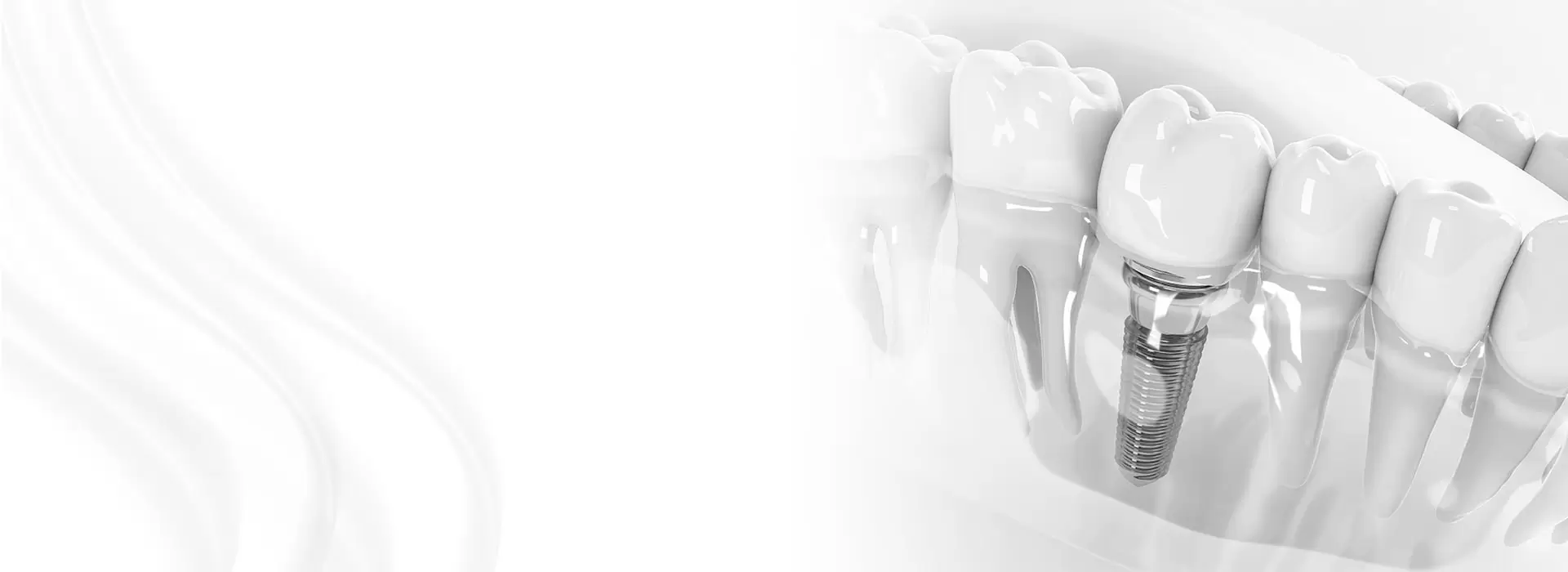
When a tooth is missing, a dental implant can replace the root and support a crown, bridge, or denture. Root canal treatment may save an infected tooth by removing diseased tissue from inside it before the tooth is sealed and restored. Dentures and bridges can also improve function when several teeth are absent.
The priority in restorative care is to control disease and rebuild reliable function. Appearance still matters, since modern materials can be matched to natural teeth, but the treatment decision is usually driven by oral health, strength, comfort, and long-term stability.
Where the two areas overlap
Cosmetic and restorative dentistry are different in purpose, yet many procedures belong to both categories. A crown can improve the appearance of a discoloured tooth while reinforcing one weakened by a large filling. An implant-supported crown replaces a missing tooth and restores the visual continuity of the smile.
Veneers may be considered cosmetic when they address colour or shape, but they also provide a protective covering for selected enamel surfaces. Similarly, tooth-coloured fillings are restorative because they repair decay, while their discreet appearance gives them an aesthetic benefit.
This overlap makes a clinical examination important. Choosing treatment based only on a photograph or a desired look may overlook hidden decay, bite pressure, gum inflammation, or insufficient tooth structure. A personalised assessment creates a safer sequence and avoids treating appearance while leaving an underlying problem unresolved.
Comparing goals and procedures
The clearest distinction is the reason for treatment. Cosmetic procedures are generally chosen to enhance an already functional smile, while restorative procedures respond to damage, disease, missing teeth, or impaired chewing. Some patients need one approach; others benefit from a combination.
| Aspect |
Cosmetic dentistry |
Restorative dentistry |
| Main purpose |
Improve colour, shape, alignment, or smile balance |
Repair damage and restore oral function |
| Typical concerns |
Staining, small chips, uneven teeth, gaps |
Decay, fractures, infection, worn teeth, tooth loss |
| Common treatments |
Whitening, veneers, bonding, aesthetic aligners, smile makeovers |
Fillings, crowns, bridges, implants, root canal treatment |
| Primary outcome |
A more harmonious and attractive smile |
Stronger, healthier, more functional teeth |
| Assessment priorities |
Smile design, tooth proportions, shade, facial balance |
Disease control, structure, bite, gums, and bone support |
| Can they overlap? |
Yes, when appearance and function are improved together |
Yes, especially with tooth-coloured crowns and implants |
Treatment categories are not always fixed. For example, clear aligners may be selected for cosmetic reasons but can also improve tooth positioning and make cleaning easier. A crown may be medically necessary yet designed to blend with surrounding teeth.
A dentist may recommend completing restorative work before cosmetic enhancement. Treating cavities, gum disease, or bite instability first helps create a healthier foundation for whitening, veneers, or other aesthetic procedures.
How dentists decide between treatment options
The first stage is a detailed examination. This may include digital photographs, X-rays, a bite assessment, and an evaluation of the gums and supporting bone. The dentist will also ask about sensitivity, pain, previous dental treatment, clenching, grinding, and the patient’s expectations.
Tooth whitening is often appropriate for surface or age-related staining when the teeth and gums are healthy. Veneers may suit teeth with persistent discolouration, minor shape irregularities, or small spaces. Crowns are more appropriate when a tooth has lost substantial structure or needs coverage after significant damage. Patients considering veneer and crown options can review aesthetic treatment details before discussing their individual suitability with a dentist.
Missing teeth require a different assessment. Implant treatment depends on the condition of the jawbone, gum health, general health, and the location of the missing tooth. A bridge or denture may be considered when an implant is unsuitable or when another solution better matches the patient’s needs.
Why function should guide aesthetic choices
A beautiful result should remain comfortable during speaking, chewing, and normal jaw movement. Tooth length, contour, and bite must be planned carefully so that restorations do not create excessive pressure or interfere with neighbouring teeth. This is especially relevant for people who clench or grind their teeth.
Invisible aligners may improve mild to moderate alignment concerns and can sometimes support a broader smile makeover. However, they are not a universal substitute for restorative care. A cracked tooth, active infection, or severely worn tooth needs appropriate dental treatment before alignment or aesthetic changes are considered.
Jaw tension and excessive muscle activity may also affect comfort and facial appearance. In selected cases, botulinum toxin injections can be discussed for cosmetic concerns or jaw-related issues, but they should be assessed as part of a wider dental and medical evaluation rather than treated as a replacement for repairing teeth.
Building a personalised treatment plan
A staged plan may begin with urgent or restorative care, continue with gum health and hygiene, and then move to elective cosmetic improvements. This order protects the teeth and gives the dentist a stable foundation for shade selection, veneer planning, alignment, or replacement of missing teeth.
Patients should receive clear information about expected results, preparation, maintenance, longevity, and possible alternatives. Factors such as enamel thickness, bite forces, oral hygiene, diet, smoking, and regular dental attendance can influence how well a treatment performs over time.
Useful points to discuss at a consultation include:
- Which teeth require treatment for health or function before aesthetic work begins
- Whether whitening, bonding, veneers, crowns, or aligners best match the desired result
- How existing fillings, implants, gum conditions, or bite habits may affect the plan
- What maintenance appointments and daily care will be needed after treatment
- Which alternatives offer a balance between appearance, durability, and preservation of natural tooth structure
Choosing care with confidence
The distinction between cosmetic and restorative dentistry is useful, but real treatment plans often combine both disciplines. A patient may need a filling or crown to repair damage and then choose whitening or veneers to create a consistent smile. Another may need an implant to replace a missing tooth while also requiring gum care and bite planning.
At TruDent Clinics, a consultation can help identify the difference between a desired change and a necessary repair. The dental team can evaluate oral health, discuss available materials and techniques, and develop a personalised plan for cosmetic dentistry, general treatment, emergency care, or tooth replacement in Izmir.
Book a consultation with TruDent Clinics to receive an individual assessment and a clear treatment pathway tailored to your smile, comfort, and long-term dental health.