Immediate and delayed implant loading explained
Dental implants can restore a missing tooth, several teeth or an entire arch. After an implant is placed in the jaw, the restoration may be attached straight away, after a short healing period or once the bone has fully integrated with the implant. These approaches are known as immediate, early and delayed loading.
The most suitable option depends on implant stability, bone quality, gum health, bite forces and the position of the tooth. A front tooth with a healthy socket may be managed differently from a back molar, while full-arch treatment follows its own clinical criteria.
For Australians considering treatment in Izmir or at home, understanding the difference between immediate and delayed loading can make consultations more productive. It also helps patients plan healing time, travel, temporary teeth, follow-up visits and the final restoration.
What the loading terms mean
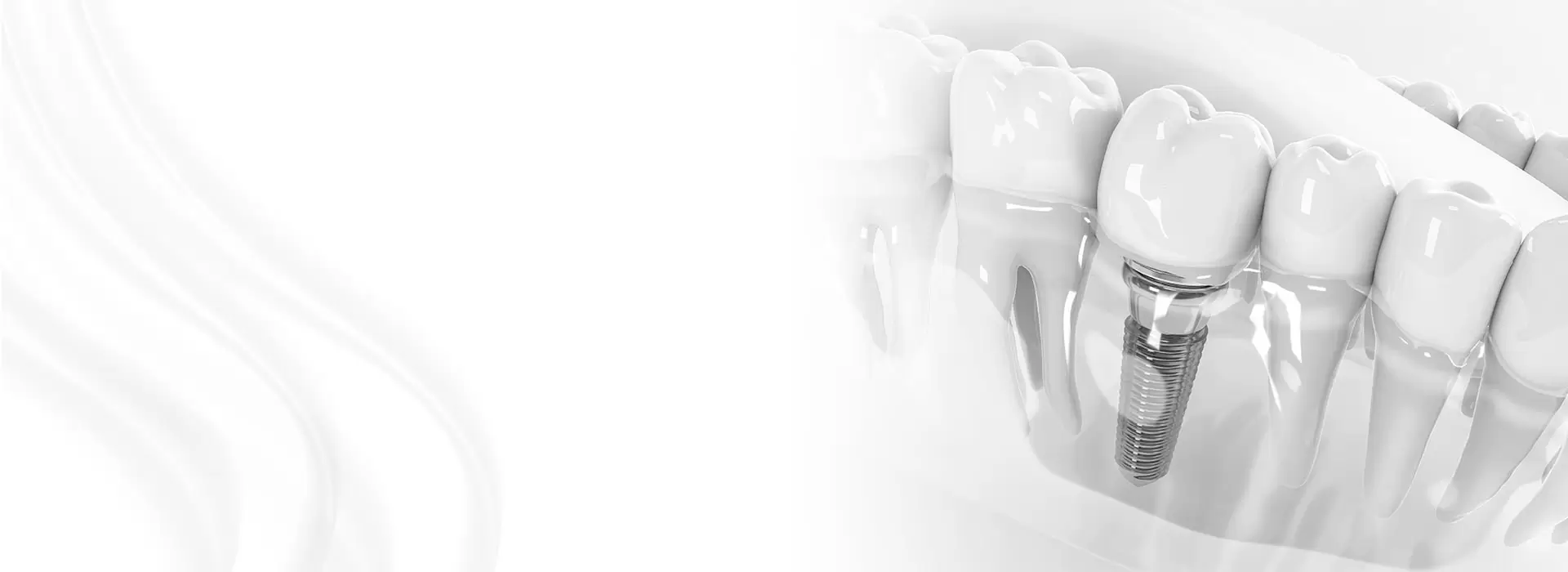
“Loading” refers to placing pressure on an implant by attaching a crown, bridge or denture. Immediate loading usually means that a provisional restoration is connected within 48 hours of implant placement. It may provide useful appearance and function, but it is often designed to protect the implant rather than serve as the final tooth.
Early loading takes place after a short healing period, commonly between several weeks and a few months. Delayed loading involves waiting until the implant has had time to integrate with the surrounding bone, often around three to six months. The exact period varies according to the jaw, bone density, surgical complexity and individual healing response.
The important biological stage is osseointegration. During this process, bone grows around the implant surface and creates a stable foundation. A restoration placed too soon can be exposed to movement, particularly when a patient clenches, grinds or chews hard foods. Even very small movement can affect integration.
How immediate loading can work
Immediate loading can shorten the period spent without a visible tooth. In suitable cases, an implant is placed and a temporary crown or bridge is fitted during the same appointment or shortly afterwards. This can be especially valuable for a front tooth, where a missing tooth may affect speech, confidence and daily interactions.
For full-arch rehabilitation, several strategically positioned implants may support a fixed provisional bridge. Patients sometimes refer to this as “teeth in a day”, although the permanent bridge is normally made later. The provisional restoration allows the dental team to assess the bite, appearance and function before producing the final prosthesis.
Immediate loading is only predictable when the implant achieves strong primary stability and the bite can be controlled. The temporary restoration may need to remain slightly out of contact when the patient bites, particularly during early healing. A soft-food diet and careful oral hygiene are commonly recommended while the tissues recover.
Why delayed loading remains widely used
Delayed loading gives the implant time to integrate before it carries normal chewing forces. This approach may be preferred where bone is softer, an extraction site needs to heal, bone grafting has been performed or the implant has not reached the stability required for early function.
Back teeth often receive substantial pressure during chewing, and patients who grind their teeth may need additional protection. Waiting can also be sensible when there is active gum disease, infection, uncontrolled diabetes, heavy smoking or another factor that may interfere with healing. Treating these issues first can improve the long-term outlook.
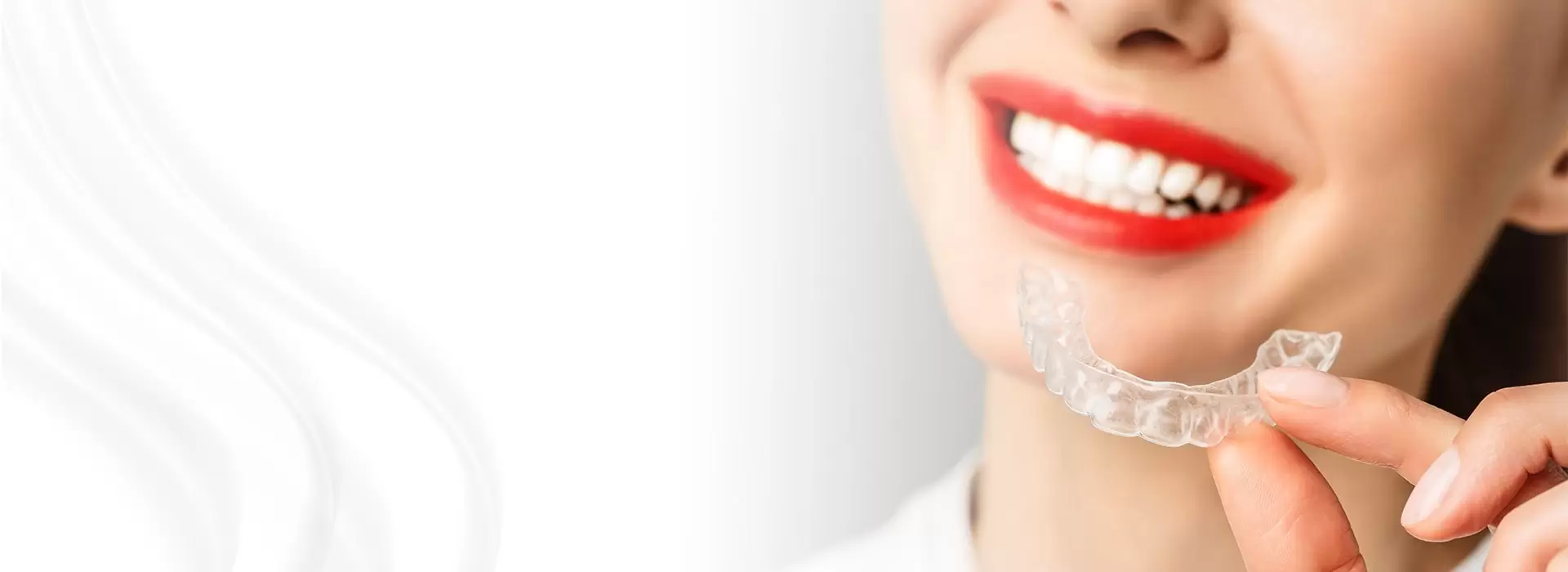
A delayed approach does not mean that a patient must always remain without teeth. A removable temporary tooth, healing denture or other provisional solution may be available. The final crown or bridge is fitted after clinical examination and imaging show that the implant is ready.
Who may be suitable for immediate loading
Suitability is assessed individually rather than decided by preference alone. A dentist or oral surgeon may examine the gums, review a three-dimensional CBCT scan and measure implant stability during surgery. Adequate bone volume, good tissue health and a manageable bite are central considerations.
Immediate loading may be considered for a single front tooth when the implant is firmly anchored and the patient can avoid biting directly on the temporary crown. It may also be possible for selected full-arch cases, where the implants are distributed to support a temporary bridge and reduce movement.
Some conditions can make immediate loading less predictable. These include significant bone loss, untreated periodontal disease, uncontrolled medical conditions, heavy smoking and severe bruxism. A patient who initially appears suitable may still be moved to delayed loading if the implant does not achieve the desired stability during surgery.
How the choice affects treatment timing
With immediate loading, the surgical appointment and temporary restoration may occur close together, but treatment is not finished on that day. The gums and bone continue changing, and the provisional tooth may need adjustment. The permanent crown, bridge or full-arch prosthesis is usually made after the implant and surrounding tissues have stabilised.
With delayed loading, the treatment journey has a longer healing interval. In some cases, an implant can be placed several months after extraction. If bone grafting is necessary, the total timeline may extend further. These stages are planned around scans, healing reviews, impressions and the production of the definitive restoration.
Australian patients should also consider work and travel commitments. Someone living in Melbourne, Brisbane or Perth may need to arrange leave for surgery and a later review, while a patient travelling from Sydney or Adelaide to Izmir must allow time for assessments before flying home. A rushed return flight can make unexpected swelling, adjustments or follow-up care harder to manage.
Planning implant treatment in Australia or overseas
Dental implants are generally considered major dental treatment in Australia, and Medicare usually does not cover routine adult implant surgery or implant restorations. Private extras policies may offer limited benefits, often subject to annual limits, item restrictions and waiting periods. Checking the policy before treatment is important because overseas procedures may be excluded or handled differently.
Australian dental care is regulated through the Dental Board of Australia and the Australian Health Practitioner Regulation Agency. Products supplied locally are also subject to Australian regulatory requirements, including relevant Therapeutic Goods Administration controls. When treatment is performed overseas, Australian follow-up dentists may not be able to provide warranty support or replace a component without complete implant records.
Patients travelling to Turkey should request copies of the treatment plan, implant brand and model, lot details, radiographs, CBCT files, medication instructions and restoration specifications. It is also sensible to clarify what happens if an implant needs extra healing time or if the provisional restoration requires repair after returning to Australia. Overseas treatment can be effective, but continuity of care needs to be planned before departure.
Everyday habits also influence healing. Australians who regularly drink alcohol, smoke, vape, play contact sport or chew hard foods may need temporary changes after surgery. Long-haul travel, including the journey between Australia and Turkey, should be scheduled according to the dentist’s advice, particularly when grafting or extensive surgery has been performed.
The most reliable choice is based on examination rather than a promise of same-day teeth. At TruDent Clinics in Izmir, a consultation can assess bone condition, gum health, bite, medical history and aesthetic goals before recommending immediate, early or delayed loading. The plan may also include temporary teeth, bone preservation, grafting, implant-supported crowns or full-arch rehabilitation.
Book a personalised implant consultation with TruDent Clinics to review your scans, treatment stages and expected healing time. A clear plan can help you understand whether immediate function is suitable or whether allowing the implant to heal before loading offers the safer route to a stable, natural-looking result.