Lumineers vs porcelain veneers: choosing the right smile treatment
A brighter, more even smile can improve the appearance of chipped, stained, worn, or slightly misaligned teeth. Two popular cosmetic dentistry options are Lumineers and traditional porcelain veneers. Although both use thin ceramic shells placed over the front surface of teeth, their design, preparation requirements, and suitability can differ significantly.
The right choice depends on factors such as enamel condition, bite alignment, tooth colour, desired shape, and long-term expectations. A treatment that sounds less invasive is not automatically the best option for every smile. Careful examination and digital planning help determine which type of dental veneer can provide a natural and stable result.
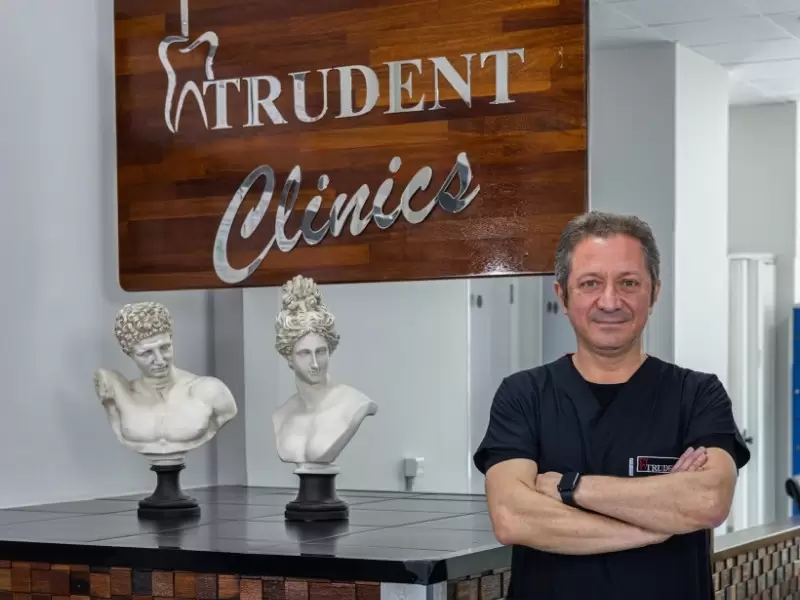
At TruDent Clinics in Izmir, patients can discuss cosmetic concerns during a personalized consultation. The dentist can assess the teeth, gums, bite, and facial proportions before recommending veneers, whitening, crowns, aligners, or another smile makeover approach.
What Lumineers And Porcelain Veneers Are
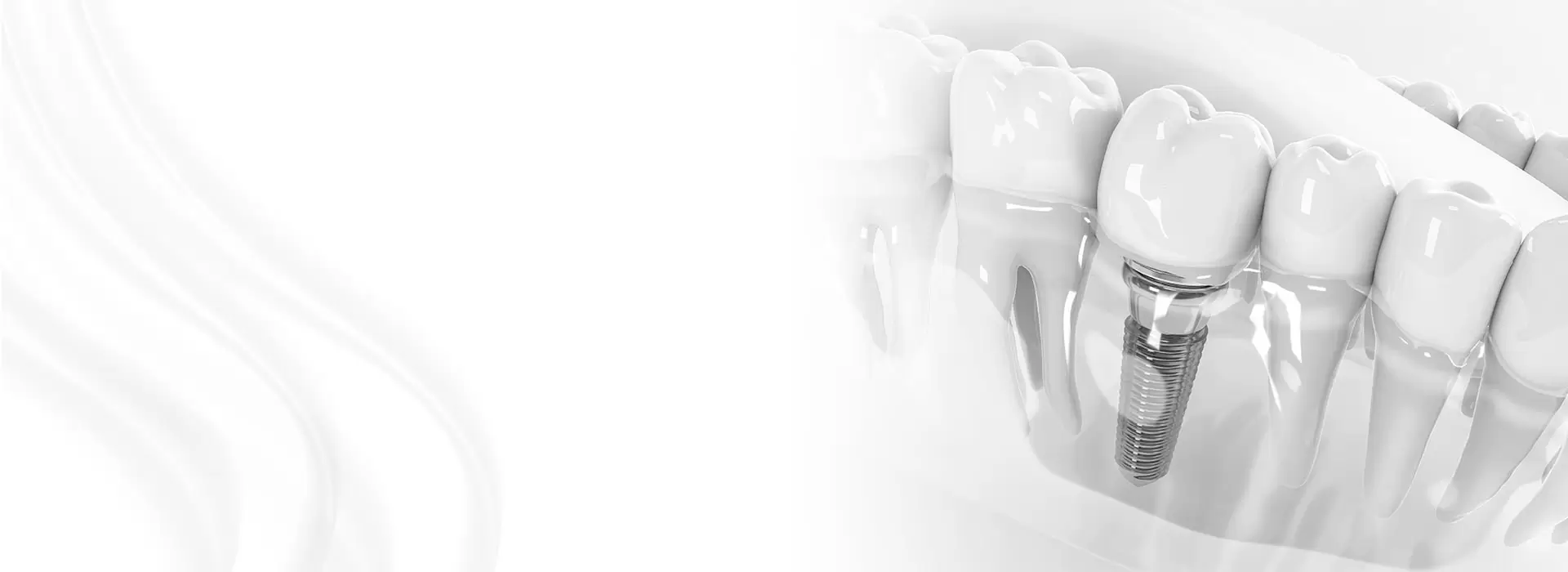
Lumineers are a branded type of ultra-thin dental veneer made from advanced pressed ceramic. They are commonly promoted as requiring little or no tooth preparation in suitable cases. Because the material is thinner than many conventional veneers, Lumineers may be an appealing choice for patients who want to preserve more natural enamel.
Traditional porcelain veneers are custom-made ceramic restorations bonded to the front of the teeth. To create space for the veneer and achieve a balanced result, the dentist may remove a small amount of enamel. The preparation is carefully planned and varies according to the tooth’s position, colour, shape, and the thickness needed for the final restoration.
Both options can improve tooth colour, proportions, symmetry, and minor spacing. Neither treatment is designed to correct major orthodontic problems or replace missing teeth. Significant crowding, active gum disease, untreated decay, or an unstable bite may need attention before cosmetic veneers are considered.
Preparation And Tooth Preservation
The most widely discussed difference is the amount of enamel preparation. Lumineers can often be placed with minimal reduction, although “no-prep” treatment is not appropriate for every patient. If the teeth project outward, are naturally thick, or require a substantial colour change, adding ceramic without enough space could make the smile look bulky.
Conventional porcelain veneers usually involve controlled enamel removal. This allows the dentist to alter tooth shape, mask darker discolouration, and create a precise emergence profile near the gum line. When planned correctly, preparation is conservative and remains limited to the outer enamel whenever possible.
Preserving enamel can help support reliable bonding, but the least invasive approach is not always the most predictable aesthetic approach. A dentist must consider how the veneer will meet the neighbouring teeth, whether the lips close comfortably, and how the upper and lower teeth contact during chewing.
Appearance And Everyday Comfort
Both Lumineers and porcelain veneers can produce a realistic smile when they are designed with appropriate translucency, texture, and colour. High-quality ceramic reflects light in a way that resembles natural enamel. The final appearance also depends on the laboratory, the dentist’s planning, and the patient’s facial features.
Porcelain veneers may offer greater flexibility when a patient wants a significant change in tooth length, contour, or shade. Their thickness and layered construction can help disguise moderate staining and create a more controlled result. Lumineers may look especially subtle when the teeth already have a favourable shape and only modest enhancement is needed.
Patients sometimes assume that ultra-thin veneers will always feel more comfortable. In reality, comfort depends on accurate fit, smooth edges, proper contact points, and a healthy bite. Any veneer can feel unnatural if it is over-contoured or poorly adjusted, so the quality of the assessment and fitting is essential.
Strength, Longevity, And Maintenance
Ceramic veneers are resistant to everyday staining from coffee, tea, and many foods, but they are not indestructible. Biting hard objects, opening packages with the teeth, nail biting, and untreated teeth grinding can chip or dislodge a veneer. A night guard may be recommended for patients who clench or grind while sleeping.
Lumineers can provide lasting results in carefully selected cases, particularly when the bite is stable and the teeth offer adequate support. Their thin design may be less suitable for people who need significant reshaping or who place heavy forces on the front teeth. Traditional porcelain veneers are also durable, but their success depends on enamel preservation, bonding quality, oral hygiene, and bite management.
The expected service life varies from person to person rather than following a fixed deadline. For a detailed explanation of the factors that affect porcelain veneer lifespan, patients should consider maintenance habits, dental check-ups, and the condition of the supporting teeth. Veneers do not prevent cavities, so brushing, flossing, and regular professional examinations remain important.
At-A-Glance Comparison
The following overview highlights common differences between Lumineers and conventional porcelain veneers. It describes general tendencies rather than guarantees, because the final recommendation depends on an individual examination.
| Feature |
Lumineers |
Traditional porcelain veneers |
| Material |
Ultra-thin branded ceramic |
Custom-made porcelain or advanced ceramic |
| Tooth preparation |
Minimal or none in selected cases |
Usually requires controlled enamel preparation |
| Reversibility |
May be more conservative, but not always fully reversible |
Generally considered an irreversible treatment after enamel reduction |
| Best suited to |
Mild shape, spacing, or colour concerns with a favourable bite |
Broader cosmetic changes and more significant reshaping |
| Masking dark teeth |
May be limited by thinness |
Usually offers greater opacity and shade control |
| Potential thickness |
Can look bulky if placed over prominent teeth |
Space can be created for a more balanced profile |
| Longevity |
Depends on bite, bonding, hygiene, and case selection |
Depends on the same factors, with strong long-term potential |
| Treatment planning |
Requires careful assessment of tooth position |
Requires careful preparation, temporaries, and ceramic design |
Patients should also understand that “reversible” can be an oversimplification. If Lumineers are placed without enamel reduction, removal may preserve more tooth structure, but the teeth could still need polishing, replacement, or further treatment later. A consultation should explain what will happen if the veneers are damaged, removed, or replaced.
Choosing The Right Treatment
A dentist may recommend Lumineers when the teeth are relatively straight, have enough space, and need a gentle change in shade or shape. They may be suitable for small gaps, minor wear, or limited cosmetic imperfections. They are less likely to be ideal when teeth are crowded, strongly rotated, protruding, or heavily discoloured.
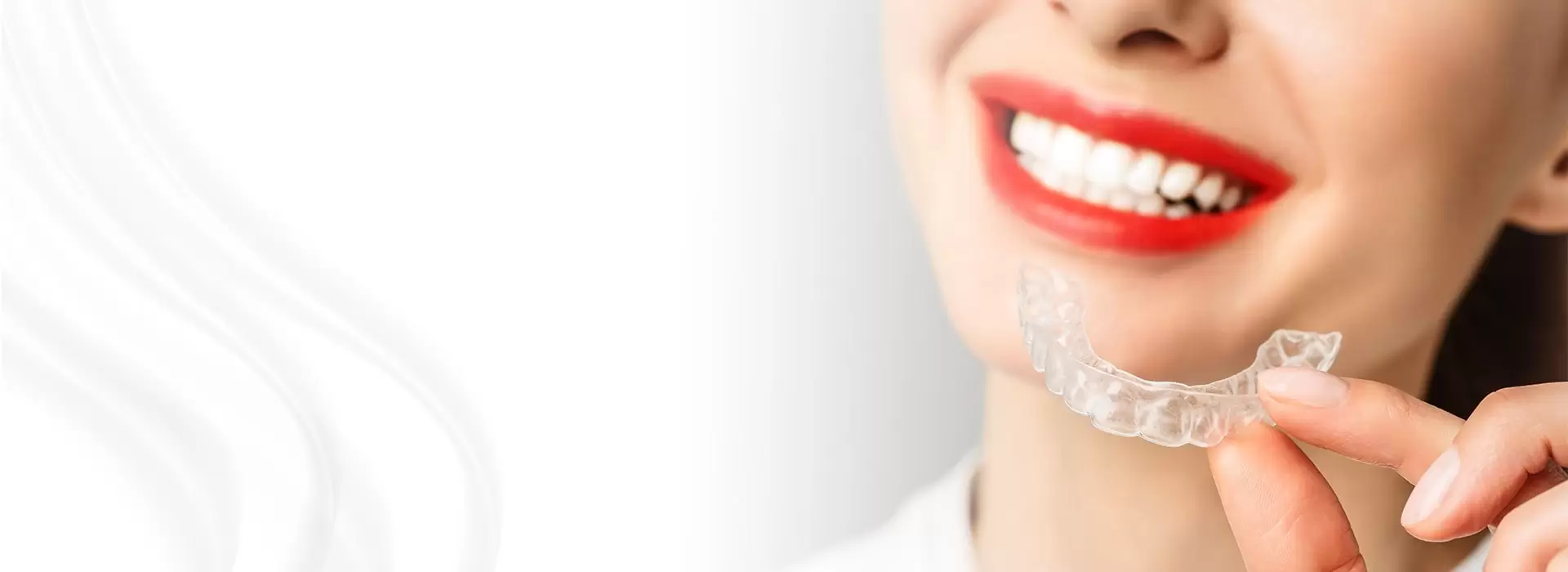
Traditional porcelain veneers may be more appropriate when the treatment involves several cosmetic changes at once. They can help establish a new smile design with carefully controlled length, width, alignment, and shade. In some cases, invisible aligners or professional whitening should be completed first to reduce the amount of restorative work required.
A thorough consultation should include photographs, digital scans, bite evaluation, gum assessment, and a discussion of your desired outcome. If a tooth has extensive structural damage, a crown may provide better protection than a veneer. If there is active decay or gum inflammation, those conditions should be treated before cosmetic treatment begins.
Points To Discuss Before Treatment
- Whether the proposed result requires enamel removal and how much
- How the veneers will affect your bite, speech, and lip support
- Whether whitening, aligners, bonding, or gum treatment should come first
- What material, shade, ceramic laboratory, and warranty arrangements apply
- Whether a protective night guard or other maintenance is recommended
Planning A Natural-Looking Smile
The most successful veneer treatment usually focuses on harmony rather than making every tooth appear identical. Tooth shape should suit the face, lip movement, age, complexion, and natural smile line. Overly bright or excessively uniform veneers can appear artificial even when the ceramic work is technically precise.
Digital smile planning and temporary mock-ups may help patients preview proposed changes before final bonding. These tools allow the dentist to assess tooth length, speech, comfort, and facial balance. They also create an opportunity to adjust expectations before the permanent restorations are produced.
At TruDent Clinics, the consultation can cover both aesthetic and functional considerations. Patients may receive a tailored treatment plan that combines cosmetic dentistry with general dental care, such as treating decay, improving gum health, or addressing jaw tension. In selected cases, botulinum toxin treatment for cosmetic or jaw-related concerns may also be discussed separately from veneer planning.
The choice between Lumineers and porcelain veneers should be based on the health and position of the teeth, the scale of the desired change, and the level of preparation needed for a stable result. Contact TruDent Clinics in Izmir to arrange a consultation, review your smile goals, and receive a personalized recommendation based on your teeth and bite.