Smarter dental choices for a lighter environmental footprint
Dentistry has a measurable ecological footprint, from mining and manufacturing restorative materials to the energy used for sterilisation, imaging and laboratory transport. The environmental impact of different dental materials and practices depends on how a product is made, how long it lasts, how it is used and what happens after removal. A durable, repairable restoration may therefore outperform a material-intensive option over time.
Australian patients have access to advanced ceramic, composite and implant treatments, yet environmental trade-offs are rarely explained. Metal alloys, zirconia, resin composites, acrylic and gypsum carry different upstream impacts, while gloves, suction tips, anaesthetic cartridges and plastic packaging add to clinical waste. “Green” dentistry should not mean choosing an unfamiliar product simply because its label sounds natural; safety, evidence and suitability remain essential.
Useful assessment extends beyond whether something can be recycled. Biocompatibility, service life, repairability, manufacturing energy, transport distance and end-of-life disposal all affect the life-cycle footprint. Clinics in Sydney, Melbourne, Brisbane, Adelaide and regional centres can apply these principles to purchasing, preventive care and waste management while maintaining reliable infection control and patient comfort.
Material choices and their footprints
Metals used in crowns, bridges and implants begin with mining and refining. Cobalt-chromium and nickel-chromium alloys require energy-intensive metallurgy, while titanium production involves mineral extraction and controlled processing. These materials are strong and can support long-lasting restorations or implant structures, but their ecological cost is largely embodied before a patient receives them. Traceable suppliers, responsible sourcing and long clinical service life help spread that impact over more years of use.
Ceramics offer another balance. Zirconia begins as processed zircon sand and must be shaped and sintered at high temperatures; lithium disilicate and other glass ceramics also need controlled kiln processing. A ceramic crown can require less metal than a porcelain-fused-to-metal restoration, yet it may be more fragile in some applications. Resin composites use petrochemical-derived feedstocks and curing energy, while PMMA used in dentures and temporary appliances adds further plastic use.
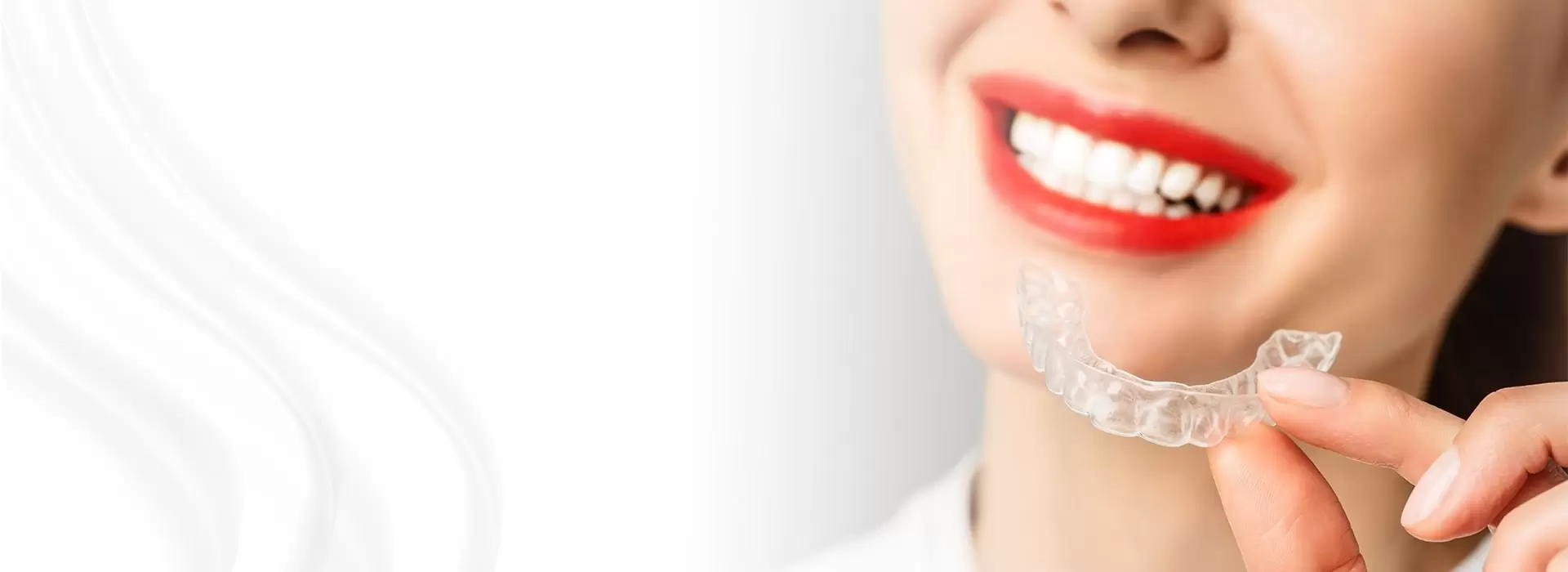
Clear aligners and retainers create a different stream: moulded plastic, discarded setup models, packaging and the energy of repeated thermoforming. Injectable botulinum toxin also depends on refrigerated distribution and single-use sterile components. Digital production can reduce waste, but the devices themselves must be replaced and should not enter household recycling. Whitening agents, impression materials and gypsum casts also have transport and disposal impacts. Asking how a practice manages these items is more informative than assuming any material label describes its whole footprint.
Restorative treatments and long-term value
Prevention is the most resource-efficient clinical strategy. Fluoride, sealants, oral-health education and early intervention can avert the drilling, crown, implant or denture cycle that follows avoidable decay. Australia’s Child Dental Benefits Schedule supports eligible children with preventive and restorative care, while adult prevention is shaped by regular check-ups and access to general treatment. Less intervention reduces material demand, appointments, sterilisation and often travel.
When disease is present, the smallest durable repair should be considered before automatic replacement. A bonded composite may preserve more tooth structure than a full crown, and a maintained restoration with a realistic service life can be environmentally preferable to repeated temporary fixes. This does not make one material universally better: location, bite forces, oral hygiene, allergies and the need for repair all matter. A sound life-cycle assessment weighs clinical longevity against the impact of manufacture.
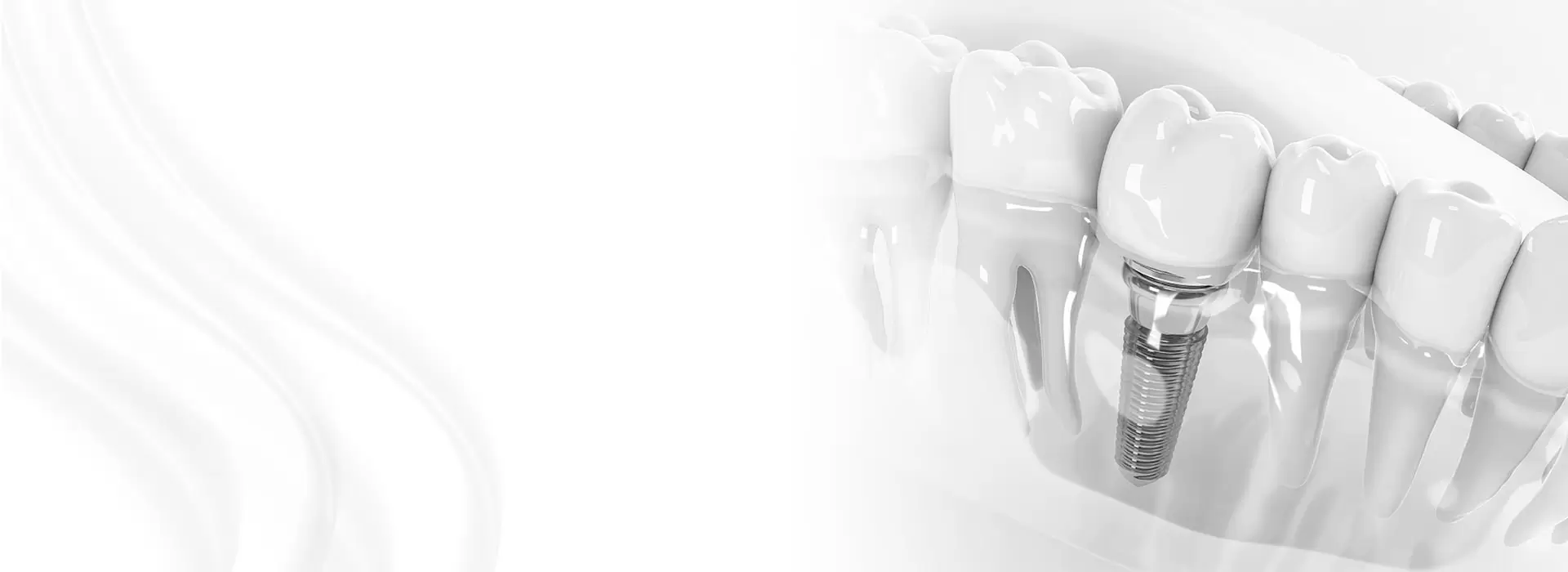
Implants illustrate the same principle. A titanium implant may remain in service for many years, offsetting some of its initial footprint, but surgery adds imaging, consumables, sterilisation and sometimes grafting materials. A failed implant may also require a second procedure and a different prosthetic design. Clear aligner treatment, by contrast, may involve a series of discarded appliances. Compare the likely number of interventions, not simply the recycled content printed on a packaging label.
Infection control and clinical waste
Sterile care creates an unavoidable environmental load. Single-use gloves, masks, syringes, needles, saliva ejectors and suction tips can reduce reprocessing risks and are appropriate where contamination or fit makes reuse unsafe. Reusable instruments, by comparison, require thorough cleaning, disinfection, packaging and steam or chemical sterilisation. The responsible choice is the one supported by infection-control standards, rather than a blanket preference for disposable or reusable equipment.
Australian clinical waste rules differ by state and territory, so practices must sort sharps, chemical waste, cytotoxic materials and general waste under local guidance. Dental amalgam containing mercury is especially sensitive: it should be captured, separated where required and sent to an approved pathway rather than mixed with ordinary rubbish. NSW, Victoria and Queensland each publish relevant environmental and health requirements. This local variation makes national guidance a starting point, not a substitute for checking the practice’s obligations.
Waste prevention can start before disposal. Practices can reduce over-ordering, choose products with minimal packaging, collect uniforms for specialist textile recycling and separate recyclable packaging when it is uncontaminated. Reusable stainless-steel suction cannulas may suit suitable procedures, provided cleaning and storage are validated. In water-stressed cities and regional areas, efficient vacuum systems, tap controls and maintained equipment can reduce consumption without compromising hygiene.
Digital dentistry and practice operations
Digital dentistry changes the workflow rather than making dentistry impact-free. Intraoral scanners can replace alginate impressions and plaster models, while CAD/CAM can shorten the path from scan to provisional restoration. That can reduce courier journeys and physical waste, especially where a local laboratory completes the design. However, scanners, computers, milling units, furnaces and encrypted data systems carry their own manufacturing demand and energy use.
Digital radiography avoids routine film processing, chemical developers and fixer, while LED curing lights use less electricity than older lamps. Cone-beam CT is valuable for complex assessment but should be selected only when its clinical information is needed; modern equipment can reduce radiation dose and appointment time. Image storage, software subscriptions and outsourced laboratory work should also be considered in the practice’s broader environmental accounting.
Australia’s size makes logistics important. Many materials and devices are imported, and customs clearance can add administrative demands, protective packaging and freight emissions. Perth, Adelaide, Darwin and remote clinics may face long supply chains, while dense Sydney and Melbourne practices may have little storage space and frequent fit-outs. Consolidating orders, choosing durable instruments, using renewable electricity where feasible and reducing avoidable renovation can cut impacts without changing clinical outcomes.
Choosing care with sustainability in mind
Patients can make informed decisions by asking what material is proposed, why it is suitable, how long it should last and what repair or replacement pathway exists. They can also request information about the manufacturer, supply chain, local laboratory and waste separation. These are practical questions that preserve informed consent. Many dental devices regulated by the Australian Therapeutic Goods Administration can be checked for inclusion in the Australian Register of Therapeutic Goods, adding a useful layer of traceability.
Travel is part of the footprint. A rural patient may save freight by receiving care locally but drive a long distance for each appointment, while tele-dentistry or combined appointments can reduce some journeys without replacing hands-on care. Patients should compare total visits, expected maintenance and the number of trips required. No material should be selected merely to tick a sustainability box if it increases the chance of early failure.
Australians comparing overseas cosmetic treatment should include aviation, accommodation and follow-up travel in the assessment. A long-haul journey to Izmir can outweigh a modest saving in the dental product itself, particularly if complications require extra appointments. For patients considering treatment abroad, the personalised consultation and treatment-planning information from TruDent Clinics offers a useful basis for checking clinical suitability, travel requirements and aftercare before committing.
Care decisions can deliver the strongest environmental gains when health, longevity and logistics are considered together. A durable restoration that needs fewer repairs, a preventive appointment that avoids surgery, and a practice that measures its waste and energy can all reduce demand. No single material is perfect, and credible advice should be transparent about uncertainty rather than assigning an unsupported green score.
Before approving a veneer, crown, implant, whitening course or aligner plan, ask for a personalised explanation of the material, expected service life, maintenance and end-of-life handling. Schedule a consultation with the clinic, bring any relevant medical and dental history, and make sure the chosen treatment protects oral health first while minimising avoidable resource use.