Why a dental consultation matters before traveling
Traveling for dental treatment can offer access to experienced clinicians, modern facilities, and carefully planned cosmetic or restorative care. It also requires more preparation than booking a flight and choosing a treatment date. A consultation before traveling helps clarify your oral health needs, expected results, treatment stages, and the time you may need to remain near the clinic.
This early discussion is especially valuable for patients considering veneers, crowns, dental implants, aligners, smile makeovers, or treatments for pain and infection. A dentist can review your concerns, assess whether you are a suitable candidate, and explain which procedures can be completed during one visit and which require several appointments.
At TruDent Clinics in Izmir, a consultation is used to create a personalized treatment pathway rather than applying the same schedule to every patient. Sharing relevant information before arrival can make the process more efficient, safer, and easier to coordinate with your travel plans.
Why timing matters before a dental trip
Dental procedures have different healing periods and appointment requirements. Professional teeth whitening may be completed quickly, while crowns or veneers can involve preparation, temporary restorations, laboratory work, and a final fitting. Implant treatment may require surgery, healing, and a later restoration, depending on bone health and the chosen approach.
A consultation gives you a realistic timeline before you commit to flights or accommodation. It can reveal whether you need one visit, multiple appointments, or a staged treatment plan completed over separate trips. This is particularly important when your return date is fixed, since rushing a fitting or ignoring follow-up care can affect comfort and results.
Your dentist may also identify conditions that should be treated first. Gum inflammation, decay, an abscess, worn enamel, or an unstable bite can influence cosmetic and restorative treatment. Addressing these concerns early helps prevent unexpected changes to the schedule after you arrive.
What the first consultation should cover
An effective remote or in-person consultation should begin with your main concerns and desired outcome. You might want a brighter smile, improved tooth shape, replacement teeth, relief from jaw tension, or a solution for missing teeth. Explaining what you hope to change helps the dentist recommend appropriate options instead of focusing only on appearance.
The clinical review may include photographs, dental records, X-rays, scans, or a video consultation. Images can provide useful preliminary information, but they do not replace an examination when surgery, infection, bite correction, or complex restoration is involved. The dentist should explain what can be assessed remotely and what must be confirmed in person.
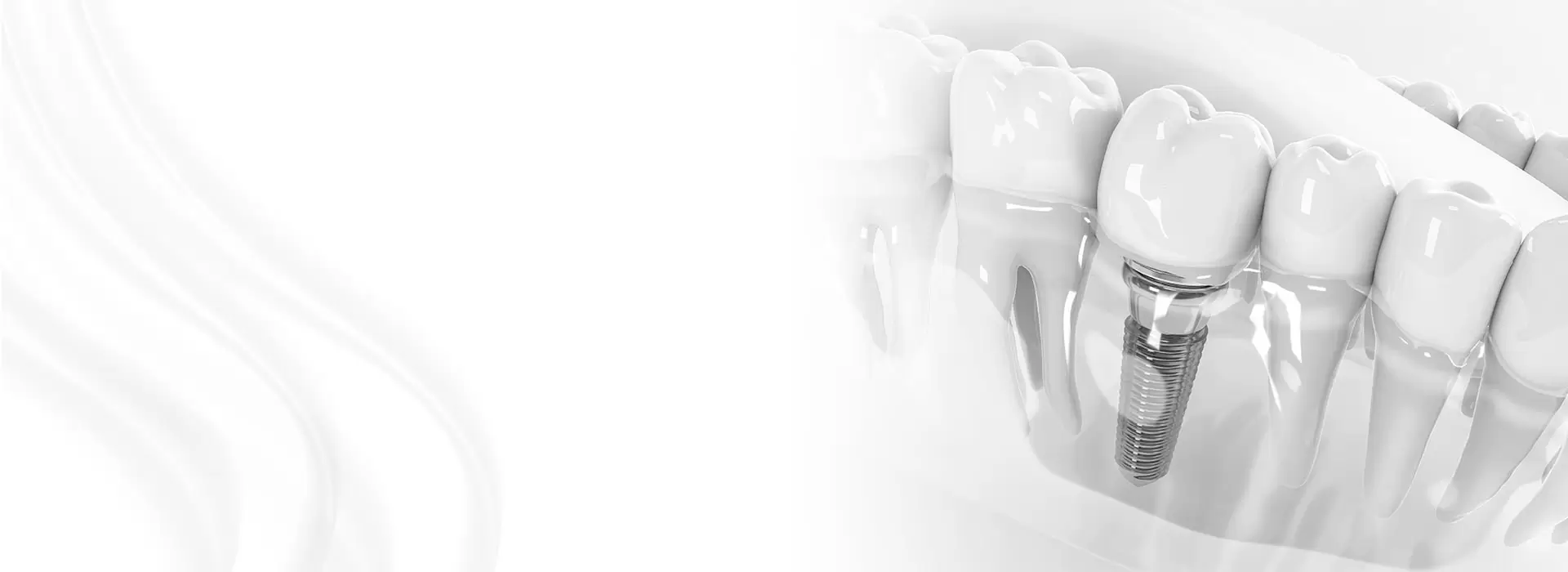
You should also receive clear information about the proposed treatment, alternatives, limitations, and expected maintenance. For patients considering dental implants, this may include an assessment of available bone, gum condition, implant placement, temporary teeth, healing, and the final crown or bridge. Understanding each stage helps you plan both your time and budget.
Building a safe travel schedule
A dental holiday should include more flexibility than a regular city break. Even when a procedure is routine, mild swelling, sensitivity, or fatigue may occur. Allowing recovery time after treatment is more comfortable than arranging sightseeing, business meetings, or a long flight immediately afterward.
The ideal schedule depends on the procedure and your individual health. A consultation can help determine whether you should arrive a day before treatment, remain in Izmir for monitoring, or return for a later review. If several appointments are needed, the clinic can explain the spacing between visits and what happens at each stage.
Travel details should also be considered alongside medical information. Tell the clinic about medications, allergies, previous dental complications, pregnancy, smoking, diabetes, bleeding disorders, or anxiety about treatment. These details can affect preparation, anesthesia, healing, and aftercare instructions.
| Treatment need |
Typical planning considerations |
Questions to clarify before travel |
| Whitening |
Usually short, with possible temporary sensitivity |
Is professional whitening suitable for existing fillings or crowns? |
| Veneers or crowns |
May involve preparation, temporary restorations, and a final fitting |
How many visits are required, and how long will the laboratory stage take? |
| Invisible aligners |
Requires assessment, digital planning, and ongoing monitoring |
How will reviews and refinements be managed after returning home? |
| Dental implants |
May involve surgery, healing, bone assessment, and later restoration |
Can treatment be staged, and when will the permanent tooth be fitted? |
| Emergency care |
Priority is pain relief, infection control, or stabilizing damage |
What information should be sent before arrival, and is urgent treatment possible? |
| Jaw-related botulinum toxin |
Requires assessment of facial muscles, bite, or tension |
What outcome is expected, and when should follow-up be arranged? |
Understanding cost, materials, and aftercare
A pre-travel consultation should include more than a headline price. Ask what is included in the proposed fee, such as imaging, temporary restorations, laboratory work, medication, follow-up visits, and adjustments. A written treatment plan makes it easier to compare options and identify costs that may otherwise be overlooked.
Material choices should be explained in plain language. Porcelain, ceramic, composite, zirconia, and other materials have different characteristics related to appearance, strength, maintenance, and suitability. The best option depends on tooth position, bite pressure, gum health, and personal expectations rather than price alone.
Aftercare is equally important. Find out how the clinic handles sensitivity, a loose temporary restoration, swelling, discomfort, or a bite that feels uneven after you return home. Ask which local dentist should be contacted in an emergency and whether the treating clinic provides remote guidance or follow-up appointments.
A consultation can also prevent unrealistic expectations. Cosmetic dentistry can improve proportions, color, and alignment, but it cannot make every smile identical to a digitally edited image. A responsible dentist will discuss achievable results while protecting healthy tooth structure wherever possible.
Questions that support informed decisions
Patients often remember the main treatment name but forget to ask about practical details. Preparing questions in advance helps you compare recommendations and recognize whether the treatment plan is genuinely tailored to your needs.
Ask how many teeth require treatment, whether healthy enamel must be removed, what alternatives are available, and how long the result may last with proper maintenance. For implant or restorative care, ask about healing, temporary teeth, bite adjustment, and the effect of smoking or existing medical conditions.
You may also want to clarify the clinic’s communication process. Determine who will coordinate appointments, whether an interpreter is available, how records are stored, and what happens if your flight changes. Clear communication reduces confusion when treatment involves several professionals, including dentists, hygienists, technicians, and coordinators.
Useful questions to raise during your consultation include:
- What diagnosis supports the recommended treatment?
- Are there less invasive alternatives?
- How many visits and days in Izmir should I plan for?
- What symptoms are normal after treatment, and which require urgent help?
- How will follow-up care be arranged after I return home?
Preparing your records and personal information
Sending accurate records before traveling can make the initial appointment more productive. Recent X-rays, scans, treatment summaries, medication lists, and clear photographs may help the dentist identify issues that need closer review. If you have received previous cosmetic or implant treatment, include details about the materials and dates when available.
Photographs should be taken in good lighting and from several angles, including a natural smile, retracted teeth, and relaxed facial views. They are useful for preliminary planning, although the clinic may still request new images using its own equipment. Avoid relying on heavily filtered photographs because they can distort tooth color and proportions.
Bring a list of current medications and relevant medical conditions to your appointment. Include supplements, anticoagulants, allergy information, and previous reactions to anesthetic or antibiotics. Do not stop prescribed medication without advice from the responsible healthcare professional.
It is also sensible to keep copies of your treatment plan, consent documents, invoices, and aftercare instructions. Store them digitally and in print, particularly if you are traveling with a companion who may need to help during recovery.
Making the consultation part of your care plan
A dental consultation before traveling is a practical safeguard, not merely an administrative appointment. It helps connect diagnosis, treatment goals, travel timing, costs, recovery, and long-term maintenance. The process also gives you time to reconsider options without feeling pressured by an appointment already booked abroad.
For international patients, early communication with TruDent Clinics can support a more organized experience in Izmir. Share your concerns and records, discuss your preferred dates, and ask for a treatment plan that reflects your oral health rather than a standard package. Scheduling a consultation early allows the clinic to identify necessary examinations and helps you travel with a clearer understanding of what to expect.