How Long Different Smile Makeover Treatments Can Last
A smile makeover can combine several treatments, and each one has its own expected service life. Whitening may need refreshing within months, while well-maintained porcelain veneers, crowns and implants can remain functional for many years. Understanding these differences helps patients choose treatment based on appearance, oral health and long-term value.
For Australian patients, the best option may depend on lifestyle as much as budget. Regular coffee in Melbourne, frequent sport in Brisbane, red wine in Adelaide or teeth grinding during stressful work periods can all affect cosmetic dental work. The right treatment plan should account for these habits before any procedure begins.
Longevity also depends on the condition of the natural teeth and gums. A veneer placed on a healthy, stable tooth has a different outlook from one used to mask untreated decay or an unstable bite. Good planning, accurate diagnostics and regular dental reviews are essential for protecting the result.
The figures below are general estimates rather than guarantees. Materials, bite forces, hygiene, diet, smoking, dental maintenance and the skill of the treating clinician can all change how long each smile makeover component performs well.
| Treatment |
Typical useful lifespan |
Main factors affecting longevity |
Usual maintenance |
| Professional whitening |
6–24 months |
Coffee, tea, wine, smoking and ageing |
Occasional touch-up treatment |
| Composite bonding |
3–7 years |
Chipping, staining, bite pressure and repairs |
Polishing or partial repair |
| Porcelain veneers |
10–15 years |
Grinding, trauma, gum changes and hygiene |
Reviews, possible replacement |
| Dental crowns |
10–15 years |
Decay, bite stress, gum health and fractures |
Check-ups and hygiene care |
| Dental implants |
15–25+ years |
Bone health, peri-implant disease and smoking |
Professional cleaning and reviews |
| Clear aligners and retainers |
Aligners: treatment-specific; retainers: 1–3 years |
Wear, loss, bite changes and compliance |
Retainer replacement and monitoring |
Comparing expected service life
Professional teeth whitening has the shortest visible lifespan in a typical smile makeover. The teeth gradually pick up colour from coffee, black tea, curry, berries and red wine. Australian social habits can make this especially noticeable, although whitening does not damage enamel when it is professionally prescribed and used correctly.
Composite bonding generally lasts longer than whitening but is more vulnerable to staining and small fractures than porcelain. It can be a conservative choice for reshaping edges, closing small gaps or improving uneven tooth length. Because composite can often be repaired without replacing the entire restoration, its practical value may be strong even when it needs occasional polishing.
Whitening and bonding
Whitening changes the shade of natural enamel but does not lighten existing crowns, veneers or fillings. For that reason, dentists often assess the whole smile before placing permanent restorations. Whitening may be completed first so that any new cosmetic work can be matched to the chosen tooth colour.
Bonding is shaped directly onto the tooth and hardened with a curing light. Its lifespan is influenced by how much material is used and where it sits. Bonding on a front tooth edge may chip if someone bites fingernails, opens packaging with their teeth or plays contact sport without a mouthguard. Repairs are usually simpler than replacing porcelain, but repeated repairs can eventually make a full redesign more sensible.
Veneers and crowns
Porcelain veneers commonly last around 10 to 15 years, with some lasting longer when the bite is stable and daily care is consistent. Their performance depends on the remaining enamel, the quality of bonding and the forces placed on the front teeth. A veneer is not indestructible, so night-time grinding or a blow from a hockey stick can shorten its service life.
Crowns cover more of a tooth than veneers and are usually selected when a tooth is weakened, heavily filled, cracked or treated with a root canal. Their longevity is affected by the tooth beneath the crown as well as the ceramic or other restorative material itself. If decay develops at the gum margin, the crown may need attention even when the visible material appears intact.
Both treatments require natural-looking margins and healthy gums. Gum recession over time can expose the edge of a restoration and alter the appearance of the smile. Regular professional cleaning and careful brushing around the gumline are therefore part of cosmetic maintenance, rather than optional extras.
Implants and aligners
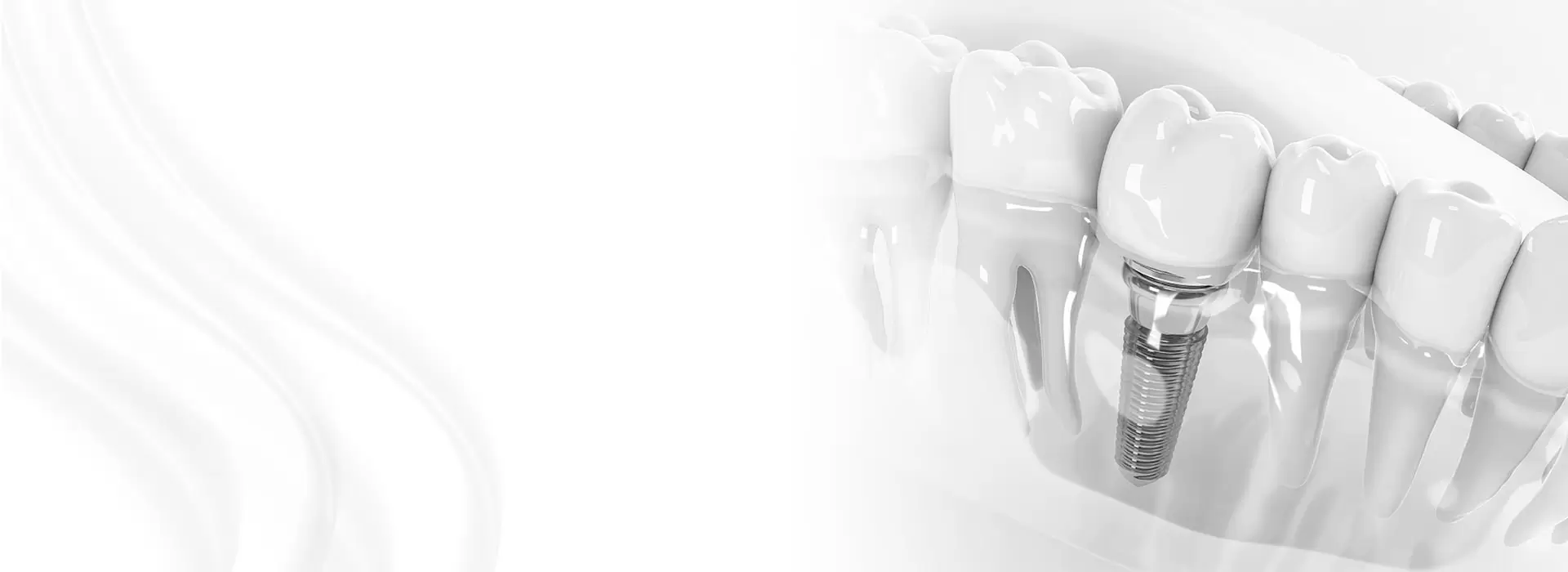
Dental implants are designed to replace missing tooth roots and can remain functional for 15 to 25 years or longer. The crown attached to the implant may need replacement sooner than the implant itself because it is exposed to chewing forces. Smoking, uncontrolled diabetes, poor cleaning and a history of gum disease can increase the risk of inflammation around an implant.
Implant treatment is consequently a long-term oral health project, not simply a cosmetic upgrade. Bone volume, gum condition and bite forces should be assessed before surgery. In Sydney or Perth, a patient may also need to coordinate care between a general dentist, an implant clinician and a local hygienist if the treatment is completed overseas.
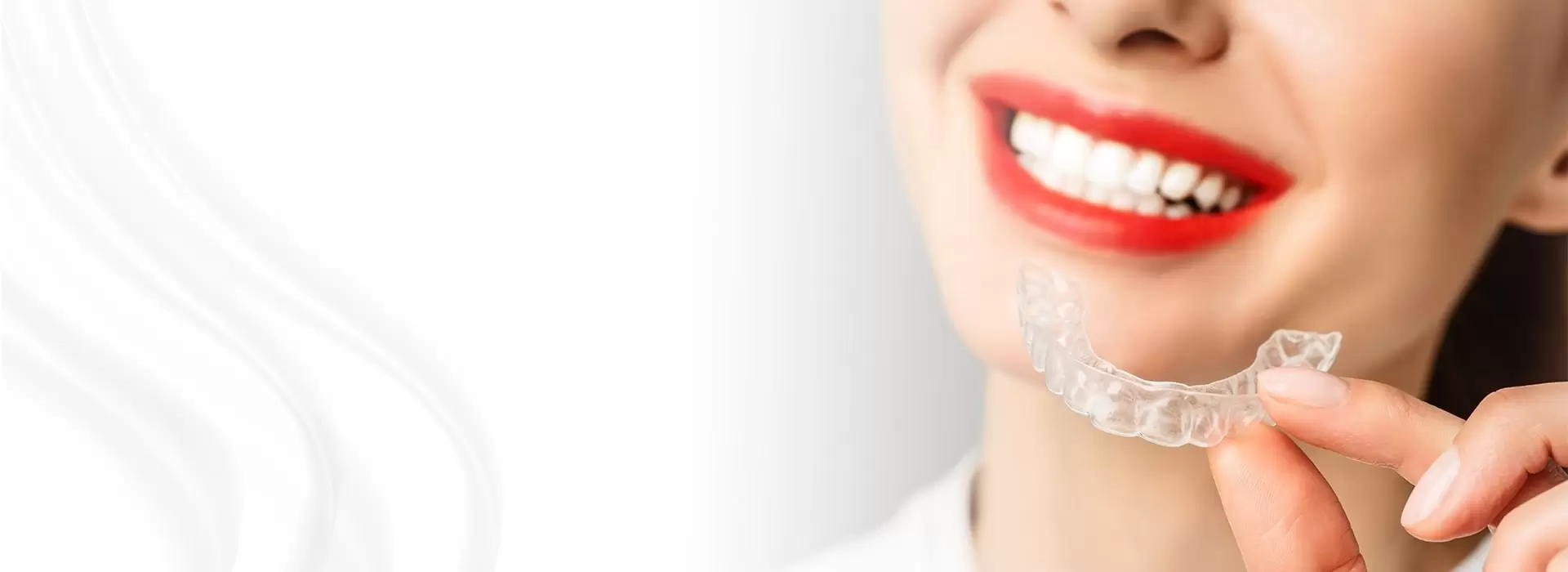
Clear aligners do not have a fixed lifespan in the same way as a veneer or crown. They are worn through a planned series of stages to move teeth, while retainers help preserve the result afterwards. Retainers commonly wear out, become distorted or get lost within one to three years, although some patients require replacements sooner. Long-term retention is vital because teeth can shift naturally throughout adulthood.
Habits that protect results
Daily behaviour has a direct effect on the useful life of cosmetic dental work. A soft toothbrush, fluoride toothpaste and interdental cleaning help control plaque around veneers, crowns and implants. Patients who clench or grind may benefit from a custom night guard, particularly if they have invested in several restorations.
Useful habits include:
- Wear a sports mouthguard during football, rugby, hockey and martial arts.
- Avoid biting ice, pens, fingernails and hard packaging.
- Rinse with water after coffee, tea, wine or acidic foods.
- Follow the recommended retainer and hygiene schedule.
Routine care matters as much as the initial treatment. Australian patients with private extras cover should check whether their policy contributes to examinations, hygiene appointments or some restorative procedures, since cosmetic services are often excluded or subject to limits. Public dental services can have eligibility rules and waiting periods, so planning maintenance in advance is sensible.
At home, focus on:
- Brushing twice daily with gentle pressure.
- Cleaning carefully around implant crowns and gum margins.
- Storing aligners and retainers in a ventilated case.
- Booking reviews before a small chip or sensitivity becomes urgent.
Australian planning and overseas care
Australian dental fees vary considerably between cities and practices. A smile makeover in Sydney or Melbourne may involve separate fees for diagnostics, temporary restorations, laboratory work and follow-up appointments. Comparing only the headline treatment price can hide important differences in materials, aftercare and the number of visits included.
Patients travelling to Izmir should organise records, scans and realistic review arrangements before departure. The guide to preparing for a dental trip can help with practical planning, including travel timing and communication with the clinic. It is wise to allow time for fitting, adjustments and recovery rather than scheduling treatment immediately before a return flight to Australia.
Australian regulation also affects how dental and cosmetic services are discussed. Registered dental practitioners are overseen through the Dental Board of Australia and AHPRA, while therapeutic products such as botulinum toxin are subject to relevant Therapeutic Goods Administration requirements. Patients should receive clear information about the treating clinician, proposed materials, risks, maintenance and follow-up pathway.
Botulinum toxin may be used for selected jaw-related concerns, such as muscular tension or clenching, but its effects are temporary and it is not a replacement for treating damaged teeth. Because it differs from veneers, crowns or implants, any discussion of smile longevity should separate short-term muscle-relaxing effects from permanent or semi-permanent dental restorations.
Personalising a durable makeover
The most durable smile makeover is rarely the one with the most procedures. A patient with healthy teeth and a minor colour concern may need whitening only. Someone with worn edges may benefit from bonding, while a cracked or heavily restored tooth may require a crown. Missing teeth require a different pathway involving implant planning, a bridge or a removable option.
At TruDent Clinics, the assessment should connect aesthetic goals with bite analysis, gum health and future maintenance. The aim is to select materials that suit the patient’s facial features, oral condition and daily habits, rather than treating every smile with the same combination of veneers and crowns.
A consultation can also clarify what happens after treatment: how often reviews are needed, whether a night guard is recommended, when whitening touch-ups may be appropriate and how repairs would be managed. This information makes the expected lifespan of each component more realistic and helps patients plan financially.
Book a consultation with TruDent Clinics to discuss a personalised smile makeover plan, compare treatment options and build a maintenance pathway designed for lasting results.