At-home vs in-office teeth whitening: a practical guide
Teeth whitening can lift the colour of a smile, but the best method depends on your budget, schedule, dental history and the cause of the discoloration. At-home products offer convenience and gradual results, while professional chairside whitening provides stronger control and faster visible change.
Neither approach makes teeth unnaturally white, and neither is suitable for every person. A dental assessment can identify the safest option, explain likely outcomes and prevent whitening from being confused with the treatment of decay, gum disease or damaged restorations.
Understanding the whitening options
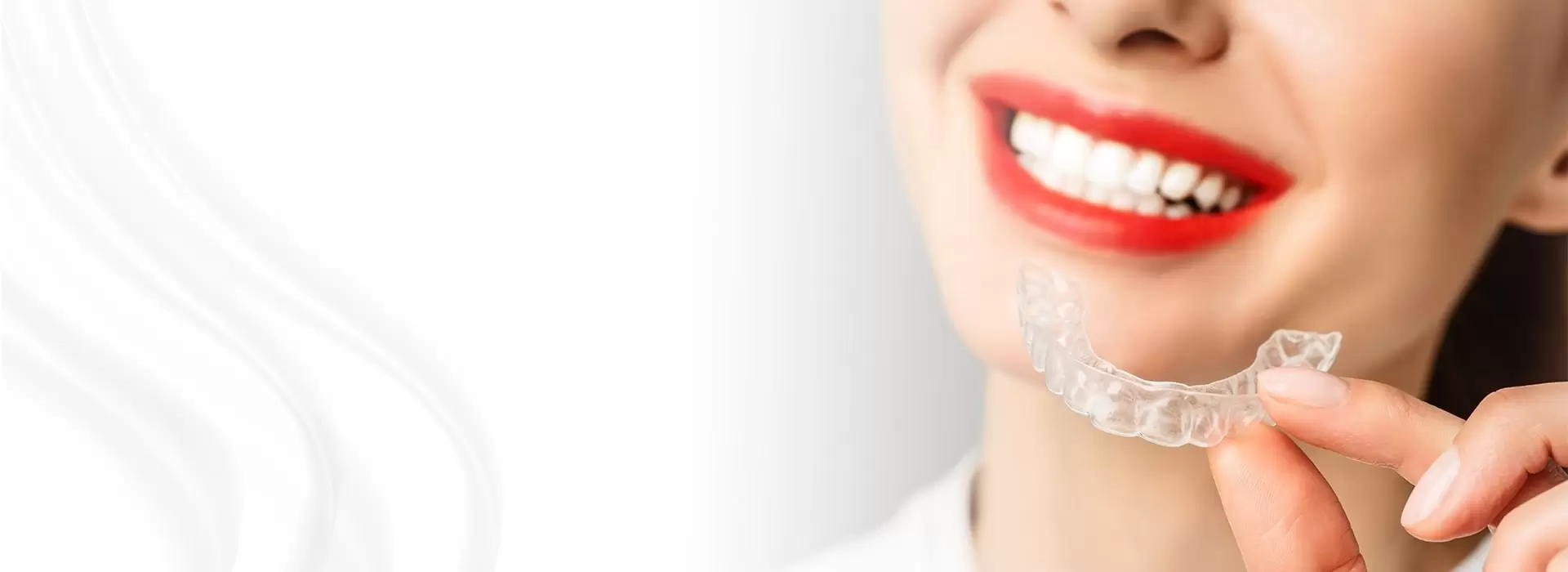
At-home teeth whitening includes whitening toothpaste, strips, tray-and-gel kits and LED devices. These products generally use lower concentrations of hydrogen peroxide or carbamide peroxide. Over-the-counter trays may fit poorly, while kits supplied through a dentist are usually customised to the patient’s teeth.
In-office teeth whitening is performed by a dental professional. After checking the teeth and gums, the clinician protects the soft tissues, applies a prescribed whitening gel and may use heat or light to activate it. The controlled environment allows higher concentrations to be used safely and monitored throughout the treatment.
A dentist-supervised take-home kit provides a middle option. The patient receives custom trays and specific wearing instructions, combining professional oversight with the flexibility to complete treatment at home over several days or weeks.
Results, timing and realistic expectations
Whitening toothpaste and strips usually produce subtle, gradual changes over several weeks. Standard tray kits can deliver more noticeable results, often after repeated applications. Chairside whitening may show a clearer change in one appointment, although the final outcome depends on the starting shade and the reason behind the discoloration.
Only natural tooth structure responds to bleaching. Crowns, veneers, fillings and bonded restorations keep their original colour and may look darker or lighter than newly whitened teeth. Replacing or adjusting an existing restoration is sometimes necessary to create an even smile, but this adds cost and treatment time.
Results are not always permanent. Regular coffee, tea, red wine and tobacco use can encourage staining again. Maintenance usually involves good oral hygiene, limiting strongly coloured drinks between meals and using touch-up products only as directed.
How the main differences compare
The practical differences come down to speed, control, expense and the degree of supervision needed.
| Factor |
At-home whitening |
In-office whitening |
| Convenience |
Flexible and completed at home |
Requires a clinic appointment |
| Time to visible change |
Usually gradual over days or weeks |
Often noticeable within one visit |
| Control |
Depends on the product and correct tray fit |
Closely monitored by a dental professional |
| Cost pattern |
Lower upfront cost for basic products |
Higher upfront cost, including assessment and aftercare |
| Sensitivity potential |
Lower concentrations may reduce risk, but poor fit can irritate gums |
Stronger formulas may increase temporary sensitivity |
| Suitable concerns |
Mild to moderate external staining |
More pronounced discoloration requiring controlled treatment |
| Maintenance |
Requires consistent use and careful oral hygiene |
May still need periodic top-ups |
Professional whitening offers greater control, but it is not automatically the better value. A custom take-home plan may suit someone who wants steady progress without the expense of a chairside appointment. Conversely, someone with a deadline or significant discoloration may appreciate the immediate change provided by clinical treatment.
Safety, sensitivity and oral health
The most common whitening side effects are temporary tooth sensitivity and mild gum irritation. Stronger peroxide products can increase discomfort, particularly in people with exposed roots, thin enamel, cracked teeth or untreated cavities. Sensitivity usually settles after treatment, but significant or persistent pain should be assessed rather than treated with extra whitening.
Poorly fitting trays can allow gel to touch the gums and soft tissues. Whitening strips may also leave uneven contact, while aggressive brushing alongside bleaching can wear the enamel. LED lights do not bleach teeth by themselves; their effect depends on the specific system and how the whitening gel is activated.
A dental check should come before whitening. Decay, leaks and gum inflammation need attention first, and existing restorations should be considered. Whitening also does not remove plaque or tartar, so a scale and clean may be needed to achieve an even, healthy-looking result.
Cost, access and the Australian market
In-office whitening costs more initially because it includes an examination, protective measures, professional-grade products and aftercare. Drugstore gels, strips and whitening toothpaste are cheaper, although repeated purchases may be required. In Australia, Medicare generally does not fund elective cosmetic whitening, and many private health policies exclude it. Checking the policy before booking can prevent unexpected expenses.
Professional clinics are readily available in Sydney, Melbourne, Brisbane, Adelaide and Perth, while people in regional and remote areas may need to travel for treatment. The online market also offers inexpensive whitening kits and devices, but a low price does not confirm product quality, regulatory approval or suitability.
The Therapeutic Goods Administration regulates many teeth-whitening products as therapeutic goods, and consumers can check the Australian Register of Therapeutic Goods for listed products. Rules vary between states and territories, but whitening is often treated as a dental procedure and must be performed or appropriately supervised by a registered dental practitioner. Dentists are regulated through AHPRA, while Australian consumer law requires advertising and performance claims to be accurate and not misleading.
Everyday habits can influence both maintenance and oral health. Flat whites, long blacks, iced coffee, tea and red wine are common across Australia, while sports and energy drinks may add acidity. Drinking water after these beverages and waiting before brushing can reduce their effects. Fluoridated public water supplies in most major Australian cities also support stronger enamel, although fluoride cannot remove existing stains.
Choosing based on your dental needs
Start with the condition of the teeth, the desired degree of change and the level of supervision you prefer.
An at-home approach may be practical if:
- You have mild to moderate staining from coffee, tea or tobacco.
- You want gradual results within a flexible schedule.
- Your budget favours lower-cost whitening products.
- Your dentist confirms that a lower-concentration option is suitable.
Professional chairside whitening may suit you if:
- You want faster, more closely monitored results.
- The discoloration is pronounced or uneven.
- You can attend an assessment and follow-up appointment.
- You are willing to address restoration matching if needed.
Many people use a staged approach, beginning with dentist-supervised home trays and considering a chairside session if further change is required. The aim should be an even, believable shade that works with your natural teeth, gums and existing dental work.
A safe path to a brighter smile
A realistic whitening plan accounts for enamel condition, gum health, existing restorations and everyday staining habits. It also includes a maintenance routine based on the method used. Choosing the wrong product may lead to sensitivity, irritation or disappointing results, while a professional assessment provides clearer expectations and safer treatment.
TruDent Clinics provides aesthetic and general dentistry in Izmir, including whitening, veneers, crowns, smile makeovers and other restorative treatments. Schedule a consultation with TruDent Clinics to receive a personalised whitening plan, transparent cost guidance and practical aftercare for a brighter, healthier smile.