The Pros and Cons of Metal-Free Dental Implants
Dental implants can replace missing teeth while restoring chewing function, speech, and a natural-looking smile. Traditionally, titanium has been the preferred implant material, but metal-free alternatives have become increasingly popular among patients seeking ceramic dentistry and highly aesthetic results.
Most metal-free implants are made from zirconia, a strong ceramic designed to bond with the jawbone. They may be considered for a single missing tooth, several missing teeth, or carefully planned full-arch rehabilitation. Their suitability depends on bone volume, gum health, bite forces, overall health, and the location of the missing tooth.
A consultation with an experienced implant dentist is essential before choosing zirconia or titanium. Advanced imaging, clinical examination, and a review of your medical and dental history help create a treatment plan that is safe, predictable, and suited to your priorities.
What Metal-Free Implants Are
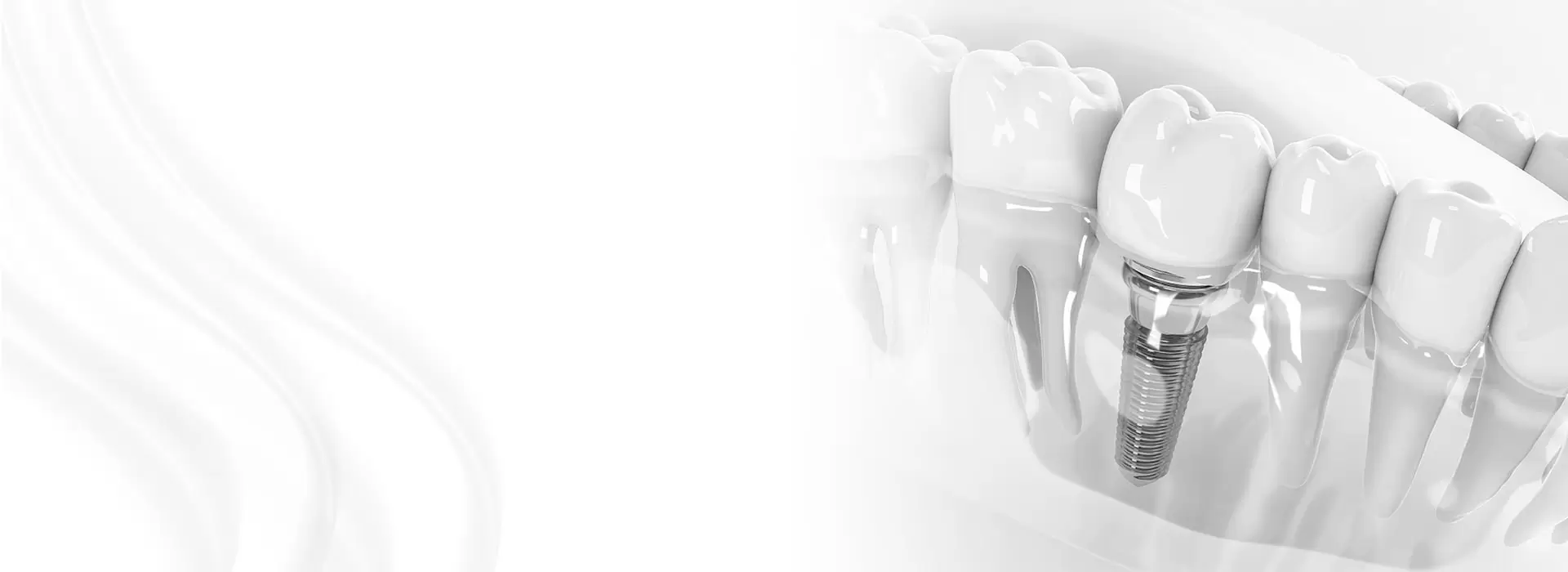
A ceramic dental implant usually consists of a zirconia implant body inserted into the jawbone, followed by an abutment and crown. Some systems use a single-piece structure, while newer designs offer two-piece options that provide greater flexibility during restorative treatment. The implant acts as an artificial tooth root, supporting a crown that resembles a natural tooth.
Zirconia is a tooth-coloured ceramic with a smooth, dense surface. Unlike conventional titanium implants, it contains no metal. The final restoration can be designed to match the shade, shape, and proportions of the surrounding teeth, which is especially valuable when replacing a front tooth or when the gum tissue is thin.
Metal-free does not mean maintenance-free. The implant and crown still require consistent brushing, interdental cleaning, professional reviews, and careful control of gum inflammation. Patients should also understand that zirconia implants are not the same as dental veneers or crowns; they replace the root as well as the visible tooth.
Potential Benefits For Selected Patients
The most visible advantage is aesthetics. Zirconia has a naturally white appearance, so it cannot create a dark metallic shadow if the gum line recedes. This can support a seamless result in the smile zone, particularly for patients with thin or translucent gums.
Some patients also value the biocompatibility of ceramic materials. Zirconia is generally well tolerated and may accumulate less plaque in certain circumstances because of its smooth surface. This does not eliminate the risk of peri-implant disease, but good implant design and careful hygiene may support healthy surrounding tissues.
Metal-free implants can also appeal to people who prefer to avoid metal because of a documented sensitivity, personal preference, or concerns about the appearance of titanium. True titanium allergy is uncommon, and ceramic implants are not automatically superior for every patient, but zirconia provides an alternative when material choice is an important part of the treatment discussion.
The completed smile can be coordinated with other cosmetic treatments. For example, patients combining implant dentistry with whitening should discuss shade planning before the crown is fabricated. Guidance on how to maintain whitening results can help preserve the appearance of the natural teeth around the implant.
Limitations And Possible Risks
The strongest limitation is the smaller body of long-term clinical evidence compared with titanium. Zirconia implants have shown encouraging survival rates, but titanium has been used for many decades and remains the benchmark in many implant protocols. A dentist may therefore recommend titanium when a case requires the broadest evidence base or the greatest range of component options.
Ceramic implants can be more technique-sensitive. Their design, placement angle, depth, and loading schedule must be planned carefully. Some systems offer less prosthetic flexibility than titanium, which can make complex restorations or significant bite corrections more demanding. A limited supply of implant sizes and components may also affect treatment planning.
Fracture or mechanical complications are possible, particularly when high biting forces, bruxism, insufficient bone support, or an unfavourable implant position are present. The crown can also chip or loosen, just as it can with a titanium implant. Patients who grind their teeth may need a night guard and closer monitoring.
The cost may be higher because of the material, specialised components, laboratory work, and clinician experience required. Bone grafting, gum treatment, sedation, temporary teeth, and final restorations can add to the overall fee. A complete written plan should separate each stage so that patients understand the financial and clinical commitment.
Comparing Implant Materials
The best material is determined by the clinical situation rather than by appearance alone. Titanium is versatile and supported by extensive research, while zirconia offers a metal-free, tooth-coloured option. Both require professional placement and long-term maintenance.
| Feature |
Zirconia Implant |
Titanium Implant |
| Material |
High-strength ceramic |
Biocompatible metal alloy |
| Appearance |
White and tooth-coloured |
Metallic beneath the restoration |
| Long-term evidence |
Growing evidence base |
Extensive decades-long evidence |
| Gum-line aesthetics |
Useful where thin gums may reveal darker materials |
Usually excellent, though recession can expose a grey shadow |
| Design flexibility |
Varies by manufacturer and system |
Broad range of components and configurations |
| Mechanical behaviour |
Strong but may be less forgiving in complex cases |
Highly durable and adaptable |
| Metal concerns |
Contains no metal |
Contains titanium alloy |
| Typical cost |
Often higher |
Varies, commonly more accessible |
| Maintenance |
Requires daily hygiene and regular reviews |
Requires daily hygiene and regular reviews |
This comparison does not establish a universal winner. A well-positioned titanium implant may provide a more predictable outcome than a poorly selected zirconia implant, while a carefully planned ceramic implant may be ideal for a suitable aesthetic case.
Who May Be A Good Candidate
A healthy adult with one missing tooth, adequate jawbone, controlled gum health, and realistic expectations may be considered for a metal-free implant. Zirconia can be particularly attractive in the front region, where the colour of the implant and the stability of the gum margin matter greatly.
Patients with active gum disease, untreated decay, uncontrolled diabetes, heavy smoking habits, or inadequate bone volume may need preparation before implant placement. This could involve periodontal therapy, tooth removal, bone grafting, sinus augmentation, or changes to smoking and oral hygiene habits.
A detailed assessment is also important for people with bruxism, complex bite problems, immune-related conditions, or a history of delayed healing. Medical conditions do not always rule out implants, but they may change the timing, design, medication plan, or follow-up schedule.
Age alone is not usually the deciding factor. Jaw growth must be complete, while older adults can often receive implants when their general health and bone support are suitable. The dentist will consider function, hygiene ability, medication use, and the patient’s capacity to attend follow-up appointments.
Planning Treatment And Aftercare
Implant treatment generally begins with a consultation and three-dimensional imaging. The dentist evaluates the bone, nerves, sinuses, bite, gum contours, and neighbouring teeth. Digital planning may be used to position the implant accurately and design a provisional or final crown before surgery.
After placement, the implant needs time to integrate with the bone. The duration varies according to the surgical site, bone quality, whether grafting was required, and the implant system used. Some patients receive a temporary tooth during healing, while others wait before the final crown is attached.
Postoperative swelling and tenderness are common for a short period, but worsening pain, persistent bleeding, fever, pus, or increasing mobility should be reported promptly. Emergency dental support is important when unexpected symptoms occur. Once the final restoration is fitted, routine examinations help identify inflammation, bite stress, screw issues, or crown wear at an early stage.
Long-term success depends heavily on daily care. Brush twice daily with a soft toothbrush, clean around the implant with suitable interdental tools, avoid using the implant to open packages, and attend professional hygiene appointments. Natural teeth and implants should be managed as one complete oral health system.
Practical Steps Before Choosing
A consultation should focus on both the clinical evidence and your personal priorities. Discuss the following points with your implant dentist:
- Ask whether zirconia is appropriate for the location, bone quality, bite, and gum thickness in your case.
- Request a clear comparison of zirconia and titanium, including expected benefits, limitations, longevity, and maintenance.
- Confirm whether bone grafting, gum treatment, temporary teeth, or bite protection will be necessary.
- Review the dentist’s experience with the specific ceramic implant system and the laboratory that will make the crown.
- Obtain a written treatment plan covering stages, timelines, aftercare, possible complications, and total costs.
The most reliable decision balances aesthetics, function, biological health, mechanical demands, and long-term follow-up. Metal-free implants can provide an attractive and effective solution, but careful case selection matters more than choosing a material because it is fashionable or advertised as universally superior.
TruDent Clinics can assess your smile, oral health, bone support, and aesthetic goals before recommending an implant approach. Schedule a personalised consultation in Izmir to discuss whether zirconia or titanium offers the safer and more suitable path to restoring your smile.