The Pros And Cons Of Removable Dentures
Removable dentures can restore the appearance and function of a smile after the loss of several or all natural teeth. They are custom-made dental prostheses designed to replace missing teeth and surrounding gum tissue, helping patients speak, chew, and feel more comfortable in daily life.
For many people, dentures offer a practical alternative to fixed bridges or implant-supported restorations. However, they require realistic expectations, regular maintenance, and an adjustment period. The right choice depends on oral health, bone structure, budget, lifestyle, and the number of missing teeth.
A consultation with a qualified dentist can clarify whether a full denture, partial denture, overdenture, dental implant, or another restoration is more appropriate. A personalized assessment is especially important because comfort and stability vary significantly between patients.
Understanding removable dentures
Removable dentures are prosthetic teeth that a patient can take out for cleaning and sleeping. Complete dentures replace an entire upper or lower arch, while partial dentures fill gaps when some natural teeth remain. Partial appliances may use clasps or precision attachments to improve retention.
Modern dentures are usually made from acrylic resin, with artificial teeth designed to complement the patient’s facial features. The dentist considers tooth shade, lip support, bite alignment, and gum contours during the design process. Proper fit helps distribute chewing pressure and reduces movement.
Some patients receive immediate dentures after tooth extraction, allowing them to avoid being without teeth during healing. These appliances may need adjustment or replacement once the gums and bone change shape. Conventional dentures are usually created after the tissues have healed and stabilized.
The main benefits for patients
One of the biggest advantages of removable dentures is accessibility. They generally cost less than a full set of dental implants, and treatment can often be completed without the surgery required for implant placement. This makes them a useful option for patients with medical, anatomical, or financial limitations.
Dentures can improve several everyday functions at the same time. Replacing missing teeth may make it easier to pronounce certain sounds, chew a broader range of foods, and support the cheeks and lips. Restoring facial volume can also create a more balanced and youthful appearance.
The process is usually relatively quick compared with implant-supported treatment, particularly when a patient needs a temporary replacement after extractions. Dentures can also be modified, relined, or replaced as oral needs change. For people who have lost many teeth, this flexibility can be valuable.
A removable design allows patients to take the prosthesis out for cleaning. This makes daily hygiene straightforward when the correct routine is followed. It can also be helpful for individuals who prefer a non-permanent restoration or who are not ready to commit to surgical treatment.
Limitations and possible concerns
Dentures do not become part of the jaw in the same way as natural teeth or dental implants. The lower jaw, in particular, offers less surface area for support, so lower dentures may move during chewing or speaking. Denture adhesive can provide additional grip, but it cannot correct a poorly fitting appliance.
New wearers commonly need time to adapt. Increased saliva, mild gum soreness, difficulty pronouncing some words, and a feeling of fullness may occur during the first few weeks. These effects often improve with practice and professional adjustments, but persistent pain should never be ignored.
Chewing efficiency may be lower than with fixed restorations. Very hard, sticky, or fibrous foods can dislodge a denture or place excessive pressure on sensitive areas. Patients may need to cut food into smaller pieces and chew evenly on both sides while developing confidence.
The shape of the mouth changes over time because the jawbone can gradually resorb after tooth loss. As the tissues shrink, a once-comfortable denture may become loose. Relining can improve its fit temporarily, while replacement may eventually be necessary. Regular dental reviews help identify these changes early.
How the options compare
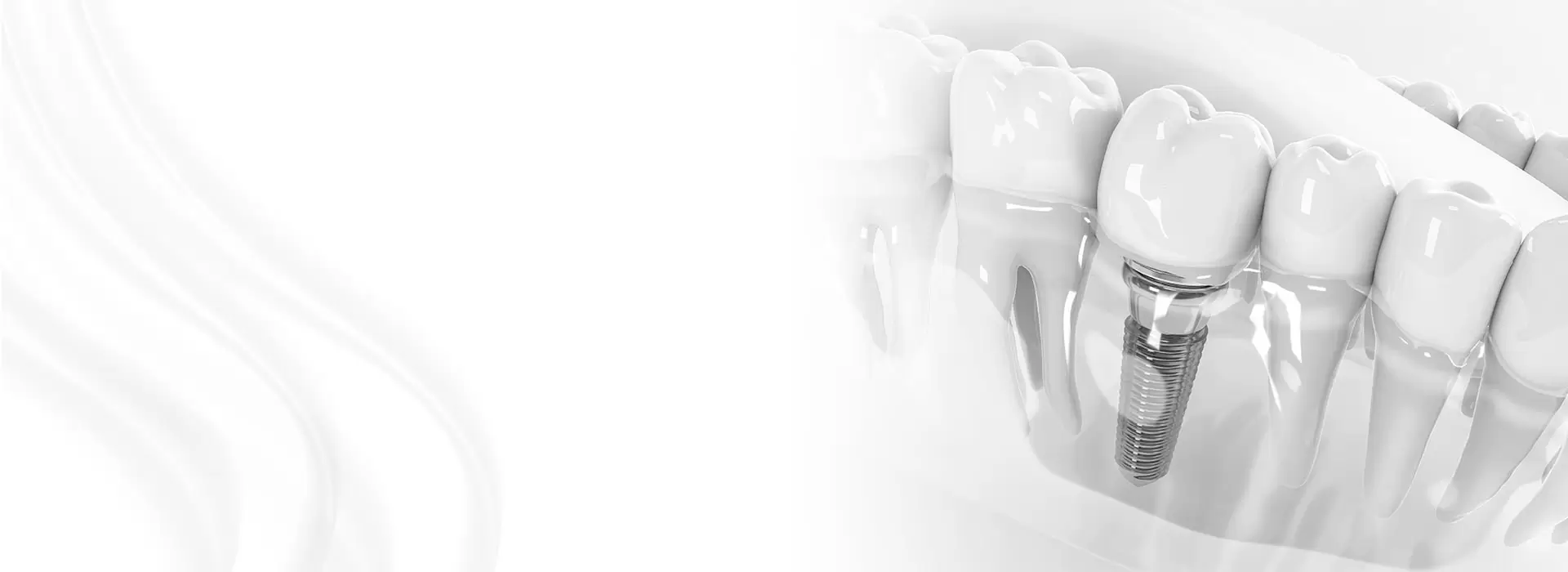
Removable dentures are one of several ways to replace missing teeth. A partial denture can preserve appearance and function when some healthy teeth remain, while a complete denture is designed for a fully edentulous arch. Implant-supported dentures attach to implants and usually provide greater stability, although they involve surgery and a higher investment.
Bridges and individual implants are fixed in place, which many patients prefer for chewing confidence and a more natural sensation. However, candidacy depends on bone volume, gum health, adjacent teeth, general health, and treatment goals. The following overview highlights common differences:
| Restoration |
Stability |
Surgical treatment |
Typical maintenance |
Main consideration |
| Complete removable denture |
Moderate, often lower in the jaw |
No |
Daily cleaning and periodic relining |
Affordable full-arch replacement |
| Partial removable denture |
Moderate |
Usually no |
Cleaning appliance and supporting teeth |
Replaces several missing teeth |
| Fixed dental bridge |
High |
Usually no implant surgery |
Care beneath and around the bridge |
Requires suitable neighboring teeth |
| Single dental implant |
Very high |
Yes |
Brushing, flossing, and professional reviews |
Replaces an individual tooth |
| Implant-supported denture |
High |
Yes |
Denture and implant hygiene |
Improved retention for a full arch |
Patients considering treatment abroad can also review practical information about dental tourism in Izmir, including the importance of planning consultations, treatment timing, and follow-up care. Any overseas procedure should be based on clear communication and a complete clinical evaluation rather than price alone.
Adjusting to daily denture care
A consistent cleaning routine protects both the appliance and the mouth. Dentures should be removed after meals when possible, rinsed with water, and brushed gently with a denture brush or soft toothbrush. Regular toothpaste may be too abrasive for some materials, so a dentist-recommended cleanser is preferable.
At night, many patients remove their dentures to give the gums a rest. The appliance can be stored in clean water or an appropriate soaking solution, following the manufacturer’s instructions. Hot water should be avoided because it may warp the base and affect the fit.
The mouth also needs attention. Gently brushing the gums, tongue, palate, and any remaining natural teeth helps reduce plaque and irritation. Partial denture wearers must take particular care of the teeth supporting the appliance, since decay or gum disease can compromise its stability.
A dentist should check the denture if it causes recurring ulcers, clicking, slipping, or difficulty eating. Do not attempt to reshape the base at home. Professional adjustments protect the tissues and may extend the useful life of the prosthesis.
Finding the right treatment approach
The best restoration is determined by clinical factors as well as personal preferences. A dentist may examine the gums, remaining teeth, jawbone, bite, and facial profile before discussing treatment. X-rays or digital scans may be recommended when implants, extractions, or extensive restorative work are being considered.
A patient who wants a removable solution may still have several choices. Conventional dentures can be suitable when surgery is not desired, while implant-retained dentures may help patients who struggle with movement. In some cases, a staged treatment plan begins with a temporary denture and later progresses to a fixed or implant-supported restoration.
Useful points to discuss during a consultation include:
- How many teeth need replacement and whether any remaining teeth can be preserved
- Expected comfort, stability, appearance, and chewing ability
- The full cost of fabrication, adjustments, relining, and future replacement
- Whether bone loss, gum disease, or medical conditions affect treatment suitability
- The recommended follow-up schedule and options if the denture becomes loose
Making a confident next decision
Removable dentures can provide an affordable, non-surgical way to rebuild a smile, but they are not identical to natural teeth or fixed restorations. Their success depends on accurate design, healthy oral tissues, regular cleaning, and realistic expectations about adaptation and maintenance.
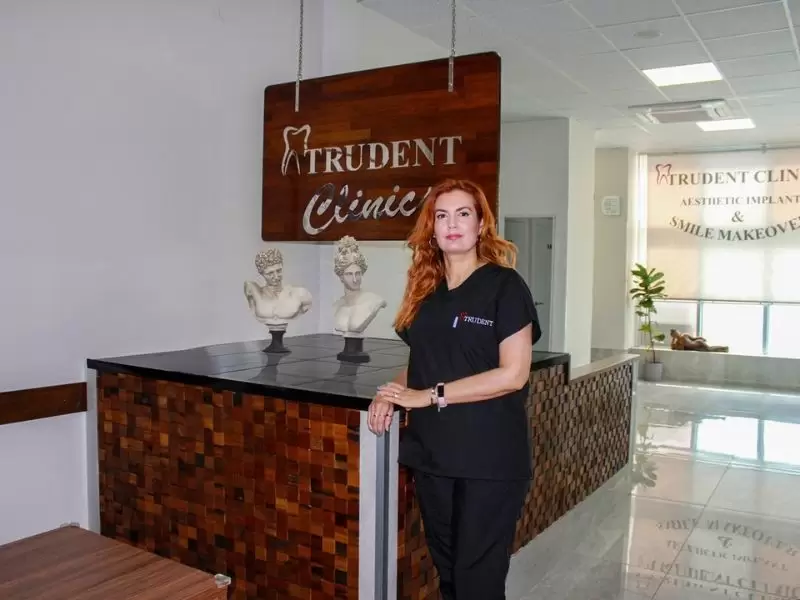
TruDent Clinics can assess your oral condition and explain whether removable dentures, bridges, implants, or another solution best matches your needs. Schedule a consultation to discuss your options and receive a treatment plan tailored to your smile, health, and daily routine.