Same-day dental crowns and the laboratory alternative
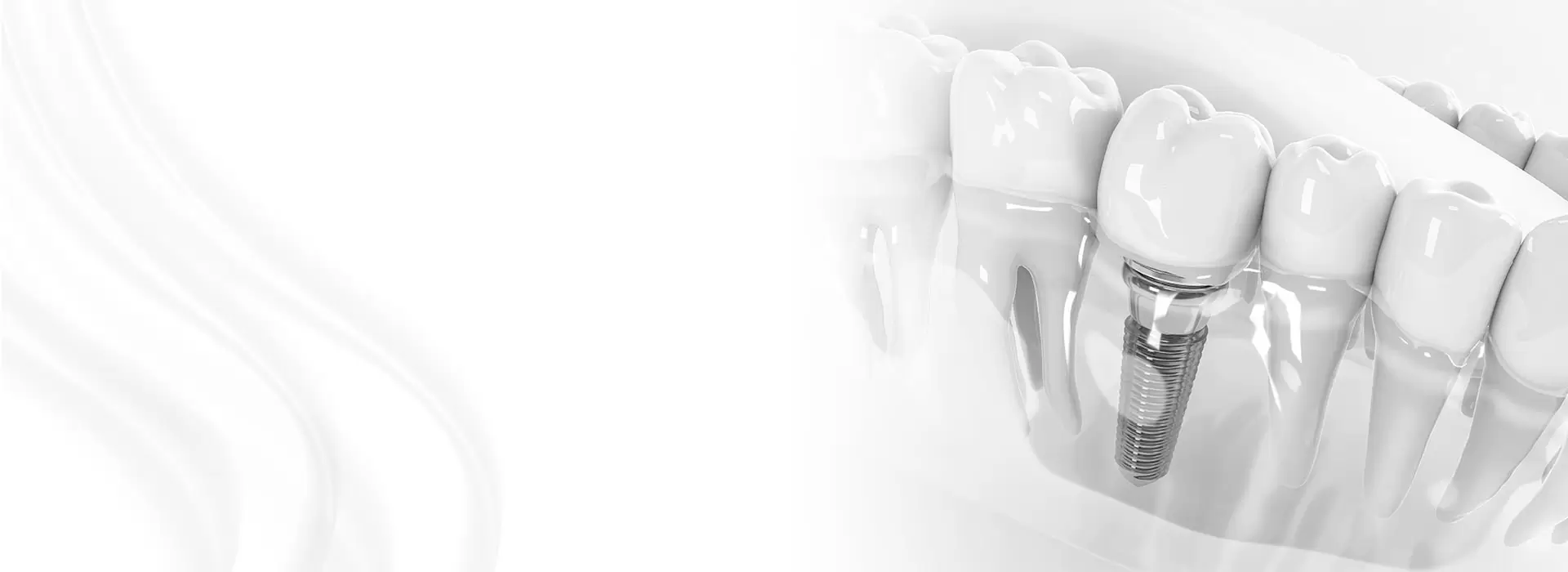
A dental crown is a custom-made cover fitted over a damaged, weakened or heavily restored tooth. In a conventional workflow, the dentist prepares the tooth, takes an impression or digital scan and sends the specifications to a dental technician. The finished crown then returns to the clinic for fitting. Digital technology allows some clinics to shorten that process and place a ceramic restoration during a single appointment.
For patients in Australia, the difference can matter when treatment must fit around work, interstate travel or a holiday in Izmir. Appointment count is only part of the decision. Strength, appearance, the condition of the underlying tooth and the materials available also affect the outcome. A useful comparison therefore looks beyond speed to identify which workflow is most suitable for the tooth being restored.
What happens during a one-visit crown appointment
In a same-day workflow, the dentist prepares the tooth and records its shape with an intraoral scanner. The scan is transferred to computer-aided design and computer-aided manufacturing equipment, commonly called CAD/CAM. A ceramic block is milled to the prescribed dimensions, then coloured, polished or glazed before the crown is fitted and bonded.
The chair time is longer than that of a standard check-up because design, milling and placement happen back-to-back. It is not an emergency shortcut, and not every crown can be completed this way. Ask whether the proposed restoration will be definitive, what material will be used and whether a technician will contribute to its fabrication.
Where same-day crowns offer clear advantages
The clearest benefit is fewer appointments. A patient who needs only a prepared tooth restored may avoid returning for a fitting, which can simplify a schedule involving work, childcare or travel. This is particularly useful for people already staying in Izmir and able to devote a full appointment to the treatment.
Digital scanning also removes the need for a physical impression material in the mouth. That can improve comfort for some patients and creates a three-dimensional record of the tooth and surrounding structures. The data can be retained, making it easier to discuss the restoration or plan further treatment if a problem develops.
Fewer visits may also reduce the period during which a temporary restoration is present. Temporary crowns can loosen, fracture or affect the opposing teeth, and their removal can sometimes irritate sensitive tooth structure. Avoiding that stage can be helpful, although it does not eliminate the need for careful aftercare.
The trade-offs of a faster crown workflow
The choice of materials may be narrower. Zirconia and lithium disilicate can be processed chairside, but the available blocks, surface finishes and layering techniques may be more limited than those offered by a laboratory. A patient seeking a highly characterised, hand-layered porcelain result may find that a traditional route provides more artistic flexibility.
Time can affect communication and refinement. A laboratory crown may be reviewed by a technician, tried in and adjusted before final placement. A same-day crown can still be excellent, but there is less opportunity to correct unexpected details in the fit, colour or opposing contact during the same session. Neither method automatically produces a superior restoration; the clinician’s experience, the material and the circumstances all count.
Traditional treatment also carries practical disadvantages. It may require two or more appointments, laboratory fees and a temporary crown, with delays while the permanent restoration is made. Same-day treatment reduces those specific demands, but the consultation and preparation remain just as important. Fast completion should follow proper assessment rather than replace it.
Strength, appearance and long-term expectations
No material is strongest in every situation. Zirconia can be a practical choice for many back teeth because of its strength, while lithium disilicate and other ceramics can provide convincing translucency in visible areas. A porcelain-fused-to-metal restoration may still be appropriate for particular budgets or clinical needs. The recommendation should reflect the tooth’s location, bite and remaining structure rather than a single material rule.
A well-planned crown depends on sound supporting tissue and enough tooth structure to hold it securely. Decay, infection or an unstable bite must be addressed first. Cosmetic sequencing also matters: whitening may need to happen before the final shade is selected, while aligner or implant treatment may need to settle the bite before a definitive crown is made. An in-person assessment at TruDent Clinics in Izmir can clarify these dependencies and identify a realistic aftercare plan.
Costs, cover and travel for Australian patients
The price of a same-day crown is not automatically lower. A single appointment may save on temporary crowns and additional visits, yet the fee still includes the consultation, tooth preparation, digital equipment, material and bonding. A laboratory crown may carry separate technical charges. Itemised written quotes remain the best way to compare what each option actually includes.
Australian patients often ask to “get a crown” or “get a cap” when discussing a full tooth covering, so confirm the proposed restoration and every included fee in writing. Private dental fees vary considerably, especially in Sydney and Melbourne. Medicare generally does not fund routine adult crowns, while private “extras” policies may offer limited rebates after a waiting period, subject to annual limits and policy terms. Entitlements differ, so check with the insurer rather than assuming a crown is covered.
Travel can change the calculation substantially. Someone travelling from regional New South Wales or northern Queensland to a capital-city dentist may already face flights, accommodation and time away from work. Dental treatment abroad adds another layer: the itinerary needs room for an adjustment appointment, unexpected imaging or emergency care. For a patient already visiting Izmir, a chairside crown may make the stay simpler, but travel insurance and a contingency plan for dental problems are still sensible.
Compare your options and secure a clear plan
A crown consultation should examine the tooth, take any necessary X-rays and assess the gums, bite and remaining tooth structure. Ask whether the tooth is strong enough for a crown, which materials are suitable and whether the recommended treatment can genuinely be completed in one visit. Pain, decay or infection may require emergency or general dental care before restorative treatment begins.
The written plan should state the material, number of appointments, expected timeline, temporary-crown requirements, aftercare and repair arrangements. It should also distinguish the cost of the crown from preparation, imaging and laboratory charges. Where treatment involves implants or aligners, clarify how those stages affect the final design and shade of the crown.
Schedule a consultation with TruDent Clinics in Izmir for a personalised assessment and leave with a clear recommendation, treatment timeline and aftercare plan.