The role of a dental hygienist in your oral health
A healthy smile depends on more than brushing twice a day. Dental hygienists provide professional preventive care that removes harmful buildup, identifies early warning signs, and helps you maintain clean teeth and healthy gums between dental appointments. Their work supports both everyday oral health and the long-term success of cosmetic or restorative treatments.
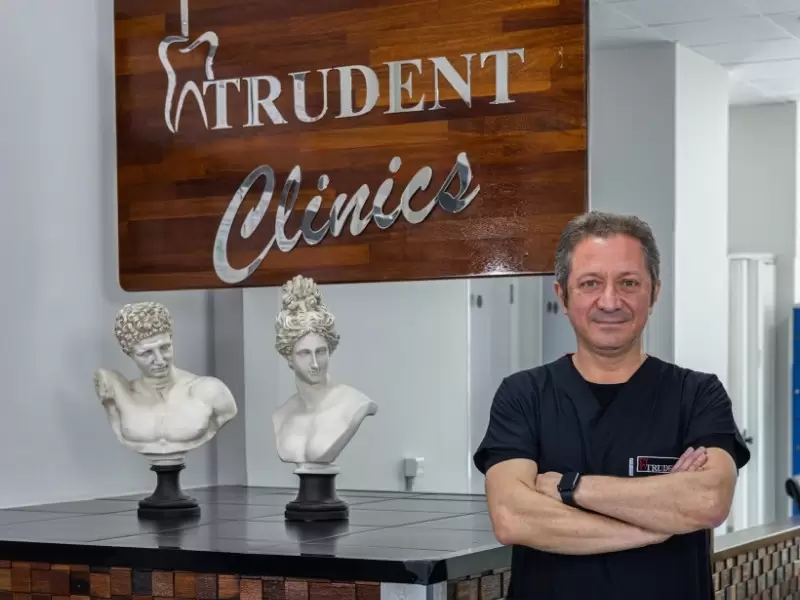
At TruDent Clinics in Izmir, dental hygiene is part of a personalized approach to dentistry. A hygienist may work alongside the dentist to assess your needs, improve your home-care routine, and help protect your teeth from gum disease, decay, staining, and sensitivity.
Regular hygiene appointments are useful even when your teeth feel fine. Many oral health problems develop quietly, while plaque and tartar can accumulate in areas that are difficult to clean at home. Professional attention helps address these risks before they become more complex or costly.
What a dental hygienist does
A dental hygienist focuses on preventing oral disease and maintaining the condition of your teeth, gums, and supporting tissues. During an appointment, they examine the visible signs of plaque, tartar, gum inflammation, bleeding, recession, and staining. They may also ask about brushing, flossing, diet, smoking, dry mouth, and any changes you have noticed.
One of the main services provided by a hygienist is professional teeth cleaning, also called dental scaling and polishing. Scaling removes hardened tartar that cannot be eliminated with a toothbrush. Polishing smooths the tooth surface and removes certain surface stains, helping your smile feel cleaner and look brighter.
A hygienist does not replace your dentist. Instead, the two roles complement each other. Dentists diagnose and treat conditions such as cavities, infections, damaged teeth, and advanced gum disease, while hygienists concentrate on prevention, education, and maintaining oral cleanliness.
Why preventive visits matter
Plaque is a soft bacterial film that forms continuously on teeth. If it is not removed effectively, it can harden into tartar and irritate the gums. This may lead to gingivitis, with symptoms such as redness, swelling, tenderness, and bleeding during brushing. Without appropriate care, gum inflammation can progress and affect the tissues and bone supporting the teeth.
Preventive dental hygiene helps interrupt this process. A hygienist can clean areas beneath the gumline or between teeth that are often missed during daily brushing. They can also show you how to use interdental brushes, floss, water flossers, or other tools according to the shape of your teeth and the condition of your gums.
Oral health is connected to general wellbeing, too. Maintaining healthy gums can make eating more comfortable and reduce the likelihood of dental emergencies caused by untreated problems. A consistent preventive routine also gives your dentist a clearer foundation for future examinations and treatment planning.
What to expect at a hygiene appointment
Your visit usually begins with a review of your dental history and current concerns. The hygienist may gently examine your gums and record areas of bleeding, pockets, sensitivity, or plaque accumulation. If a concern requires diagnosis, the dentist may recommend additional examination or dental X-rays.
Professional cleaning is generally performed with specialized instruments or ultrasonic equipment. These tools remove tartar from the tooth surfaces and around the gumline. The hygienist then polishes the teeth to reduce surface discoloration and leave them feeling smooth. If you have sensitive teeth, you should mention this before treatment so the team can adapt the appointment.
The final part of the visit is often personalized oral hygiene instruction. You may receive guidance on brushing pressure, toothbrush selection, cleaning around crowns or implants, and protecting areas affected by gum recession. The recommended recall interval depends on your oral health. Some people benefit from routine six-month visits, while others with gum problems, orthodontic appliances, implants, or a history of heavy tartar may need more frequent care.
How hygiene supports cosmetic and restorative dentistry
Clean gums and stable oral tissues provide a better foundation for cosmetic dentistry. Before veneers, crowns, smile makeovers, or teeth whitening, a dentist may recommend addressing active gum inflammation or heavy tartar. Treating these issues first can improve comfort, enhance the appearance of the final result, and make it easier to maintain the treatment.
Hygiene care is especially important after restorative procedures. Plaque can collect around crown margins, bridges, veneers, and implant-supported restorations. Careful cleaning helps protect the surrounding teeth and gums, while professional monitoring can identify changes before they threaten the restoration.
| Dental concern |
Hygienist’s contribution |
Ongoing benefit |
| Plaque and tartar |
Professional scaling and polishing |
Cleaner teeth and lower inflammation risk |
| Bleeding gums |
Gum assessment and tailored home-care advice |
Better gum health and improved comfort |
| Surface staining |
Stain removal during cleaning |
A fresher, brighter-looking smile |
| Dental implants |
Guidance on cleaning around implant components |
Support for healthy tissues around implants |
| Crowns and veneers |
Advice on brushing and interdental cleaning |
Better protection of restoration margins |
| Orthodontic treatment |
Focused cleaning around brackets or aligners |
Reduced risk of decay and gum irritation |
Teeth whitening also benefits from a clean starting point. A hygiene appointment can remove surface deposits that may interfere with the even appearance of whitening. However, professional cleaning does not change the natural internal color of teeth in the same way that a whitening treatment does. Your dentist can explain which option is appropriate for your smile.
When to schedule a hygiene appointment
You should consider booking a dental hygiene visit if your gums bleed regularly, your breath remains unpleasant after brushing, or you notice rough deposits near the gumline. New sensitivity, gum recession, persistent bad taste, or teeth that appear to be changing position also deserve professional assessment.
A hygiene appointment is valuable before and after major dental care. Patients preparing for veneers, crowns, implants, or aligners may need a clean, healthy oral environment before treatment begins. Afterward, periodic maintenance helps protect the investment and keeps the surrounding tissues in good condition.
You should seek urgent dental care rather than waiting for a routine cleaning if you have facial swelling, severe toothache, uncontrolled bleeding, fever, or an injury. TruDent Clinics provides emergency dental care, and the dental team can determine whether you need immediate treatment from a dentist.
Habits that make professional care more effective
Daily habits determine how long the benefits of a hygiene appointment last. Brushing removes plaque from accessible surfaces, while interdental cleaning reaches the spaces where a toothbrush cannot. Your hygienist can help you choose practical techniques instead of recommending a routine that is difficult to maintain.
Small changes often make a meaningful difference. Consider the following recommendations:
- Brush twice a day for approximately two minutes with fluoride toothpaste and a soft-bristled brush.
- Clean between your teeth daily with floss, interdental brushes, or a water flosser suited to your needs.
- Reduce frequent snacking and sugary drinks, especially between meals and before bedtime.
- Replace your toothbrush or electric brush head when the bristles become worn, usually every three months.
- Arrange regular dental examinations and professional cleanings based on your personal risk factors.
Your routine may need to change if you have dry mouth, diabetes, gum disease, braces, aligners, implants, crowns, or other restorations. A dental hygienist can adapt cleaning instructions to your circumstances and explain how to avoid damaging the gums through excessive pressure.
Building a personalized prevention plan
There is no single schedule that suits every patient. Someone with excellent plaque control and stable gums may need less frequent maintenance than someone with periodontal disease, a smoking habit, frequent tartar buildup, or several dental restorations. Your dentist and hygienist can review your clinical findings and create a recall plan that fits your needs.
Personalized prevention is also useful for patients considering aesthetic treatment. Improving gum health before a smile makeover may help create a more balanced result, while hygiene support after treatment can protect the appearance and function of veneers, crowns, or implants. In some cases, the dental team may coordinate hygiene care with aligners, whitening, or restorative procedures.
At TruDent Clinics in Izmir, a consultation can bring these priorities together. The team can assess your current oral health, discuss your goals, and recommend preventive or cosmetic care that supports a healthy, confident smile. Schedule an appointment to begin a hygiene and dental care plan designed around your teeth, gums, and long-term needs.