Antibiotics And Dental Surgery When Travelling Abroad
Dental treatment overseas can make quality care more accessible, particularly for Australians comparing implant, crown, veneer, or full smile makeover costs in cities such as Izmir. Antibiotics may form part of a safe surgical plan, but they are not automatically required after every dental procedure. Their value depends on the patient’s medical history, the type of surgery, and the presence or risk of bacterial infection.
Understanding when antibiotics help, when they offer little benefit, and how follow-up works after returning to Australia can make an overseas dental journey more predictable. A reputable clinic should explain the medication plan clearly, provide written instructions, and arrange a way to contact the dental team if symptoms develop during recovery.
When Antibiotics May Be Appropriate
Antibiotics are medicines used to treat or prevent specific bacterial infections. In dentistry, they may be considered when a patient has an active spreading infection, significant swelling, fever, severe systemic symptoms, or a medical condition that creates a particular risk from bacteria entering the bloodstream. They can also be prescribed around selected surgical procedures when the dentist believes the benefits outweigh the risks.
Routine antibiotic use after every extraction or implant placement is not generally appropriate. A clean procedure, careful surgical technique, sterile instruments, and good aftercare often provide more protection than an unnecessary course of medication. Antibiotics cannot replace brushing, prescribed mouth rinses, wound care, or attendance at a review appointment.
The decision should be individual rather than based on a standard holiday package. A patient receiving a single crown has a different infection risk from someone undergoing several extractions, bone grafting, or multiple implant placements. The dentist should also consider allergies, previous antibiotic reactions, kidney or liver problems, pregnancy, and medicines that may interact with the prescription.
Preventive Doses And Treatment Courses
Preventive antibiotics, sometimes called antibiotic prophylaxis, are given around a procedure to reduce the chance of infection in selected situations. They are different from a treatment course prescribed after an infection has already developed. The timing, dose, and duration must come from the treating dentist or oral surgeon, who can assess the procedure and the patient’s health.
People with certain heart conditions may need specific dental precautions, although this applies to a relatively small group and should be confirmed with a cardiologist or dentist. Patients with joint replacements should also discuss their history, but an artificial joint does not automatically mean antibiotics are needed for dental work. Australian guidance and the patient’s personal medical advice should be considered before travelling.
Taking leftover capsules from a previous illness or buying antibiotics without a proper examination is unsafe. The wrong drug can mask symptoms while an abscess continues to worsen, and incomplete or unsuitable treatment contributes to antimicrobial resistance. If medicine is prescribed overseas, ask for the generic name, strength, dosing schedule, duration, and instructions for managing missed doses.
Infection Risks After Dental Surgery
Some swelling, tenderness, mild bruising, and a small amount of oozing can be normal after oral surgery. Symptoms often peak during the first couple of days and then gradually improve. An infection may be more concerning when pain becomes stronger rather than better, swelling continues to expand, pus or a bad taste appears, or fever and chills develop.
Difficulty swallowing or breathing, rapidly increasing facial swelling, confusion, or severe weakness requires urgent medical attention. These symptoms should never be managed by waiting for an overseas clinic to reply. A local emergency department, dentist, or Australian urgent-care service can assess the situation, while the travelling patient contacts the original clinic when it is safe to do so.
Implant surgery has particular warning signs, including persistent discharge, increasing mobility of an implant, worsening gum redness, or pain that does not respond to the recommended medication. Early review can identify a problem before it affects surrounding bone. Antibiotics alone may not resolve an abscess or implant complication if drainage, cleaning, adjustment, or another procedure is needed.
Planning Medication For An Overseas Trip
Before flying from Australia, request a written treatment summary that lists the procedure, materials used, medication names, allergies, and the clinic’s emergency contact details. Keep medicines in their original labelled packaging and pack them in carry-on luggage. This is useful if checked baggage is delayed on a flight from Melbourne, Sydney, Brisbane, or Perth to Türkiye.
Australian travellers should check current entry and medication rules through official government sources and confirm whether their travel insurance covers planned dental treatment. Many policies exclude elective procedures and complications related to treatment arranged before departure. Private health extras may contribute to some dental services at home, while Medicare generally does not cover routine adult dental treatment, so patients should examine their policy wording rather than assume reimbursement.
Allowing recovery time in Izmir is also sensible. Long flights, dehydration, disrupted sleep, smoking, and strenuous sightseeing can make early healing less comfortable. Soft foods, regular water, and avoiding alcohol or tobacco may support recovery, while the dental team can advise when flying, swimming, exercise, and normal eating are suitable.
Choosing A Clinic And Checking Follow-Up
A trustworthy international clinic should discuss infection control, the dentist’s qualifications, the proposed materials, and the reasons for any antibiotic prescription. It should explain what happens if a patient develops pain after returning home, including whether remote advice, a local partner, or a planned review is available. Clear communication is especially important when several treatments are completed during one visit.
Patients can also examine independent experiences without treating online comments as a substitute for clinical evidence. For example, patient experience at TruDent may help someone understand how communication and appointments are described, while the consultation itself should address personal risks and expected recovery.
A second opinion can be useful when the proposed plan includes extensive surgery or a lengthy antibiotic course. Comparing implant care information with advice from an Australian dentist may help clarify whether the treatment is urgent, staged, or suitable for completion abroad. The final decision should be based on examination and imaging, not on a low advertised price or pressure to accept same-day treatment.
Returning To Australia Safely
Arrange a post-operative check before leaving Türkiye when possible, particularly after implants, grafting, multiple extractions, or treatment involving infection. Ask for copies of X-rays, implant brand details, operative notes, and prescriptions. These records give an Australian dentist useful information if a review is needed after landing.
Once home, contact a dentist if pain, swelling, bleeding, fever, or altered sensation is getting worse. Do not ask a general practitioner or pharmacy for antibiotics without explaining the surgery and showing the written treatment plan. A clinician may decide that antibiotics are appropriate, but may instead recommend examination, imaging, drainage, or referral to an oral and maxillofacial specialist.
For Australians, practical planning can make follow-up less stressful. Keep the clinic’s contact details saved with the treatment documents, identify a nearby dental practice before the trip, and schedule important work away from major commitments such as a return to FIFO duties or a busy school term. Good aftercare is a shared process between the overseas surgical team and the local professionals who can assess healing later.
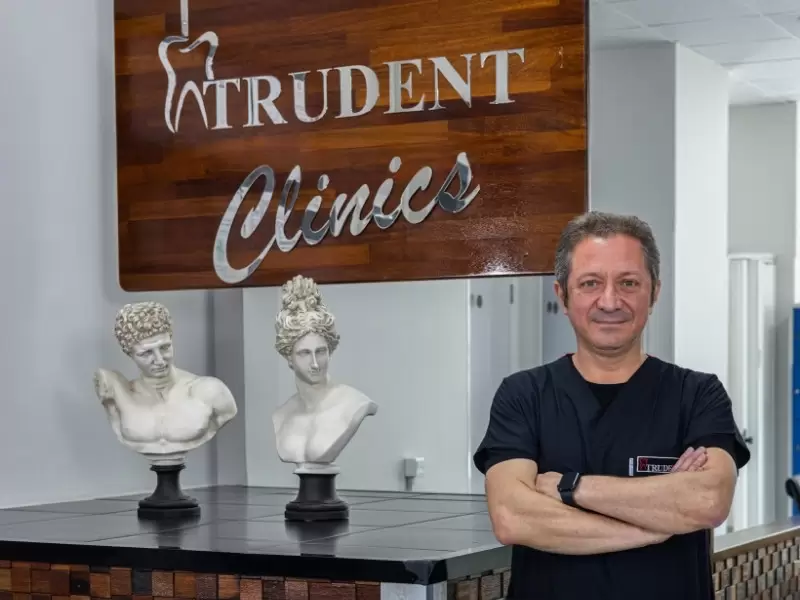
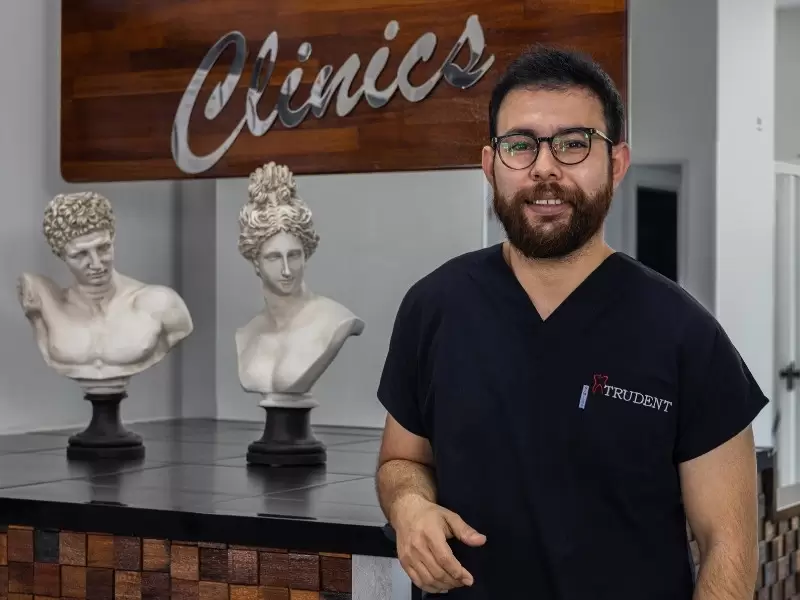
A consultation with TruDent Clinics can help establish whether antibiotics are indicated for your planned dental procedure, what warning signs to monitor, and how follow-up will be managed after you return to Australia. Bring your medical history, allergy information, current medicines, and any previous dental records so the team can create a treatment and recovery plan suited to your health.