Designing a dream smile with digital precision
The role of digital smile design in achieving your dream smile is to turn a vague wish into something you can see, question and refine. By combining digital scans, photographs and a dental assessment, it creates a visual plan for tooth shape, proportion, alignment and shade. For patients in Australia considering treatment in Izmir, that preview can make a complex dental journey easier to understand before deciding which procedures are appropriate.
It is a planning and communication tool, not a guarantee. Your gums, bite, bone health, facial movement and personal priorities still shape the result. TruDent Clinics in Izmir combines aesthetic and general dentistry, so the design process can address underlying health as well as appearance, then lead to a personalised treatment plan rather than a one-size-fits-all package.
How digital smile design turns an idea into a plan
A digital smile design consultation starts with photographs, an intraoral scan and a clinical examination. The dentist checks the condition of the teeth and gums, records the bite and notes how your smile sits within the face. These details give the software a reliable foundation; without them, a digital image alone could suggest a result that is not biologically workable.
The software then maps features such as the smile line, tooth proportions, colour and the amount of visible gum. It can compare conservative options with more extensive changes and produce a mock-up for you to review. You might test a brighter shade, altered tooth length or a different alignment before any irreversible treatment begins.
Its greatest value is shared decision-making. Seeing the proposed changes can expose trade-offs, such as whether whitening should come first or whether a missing tooth is better replaced with an implant than a bridge. The design remains flexible until you understand the sequence, maintenance and expected limitations.
Matching treatments to your oral health
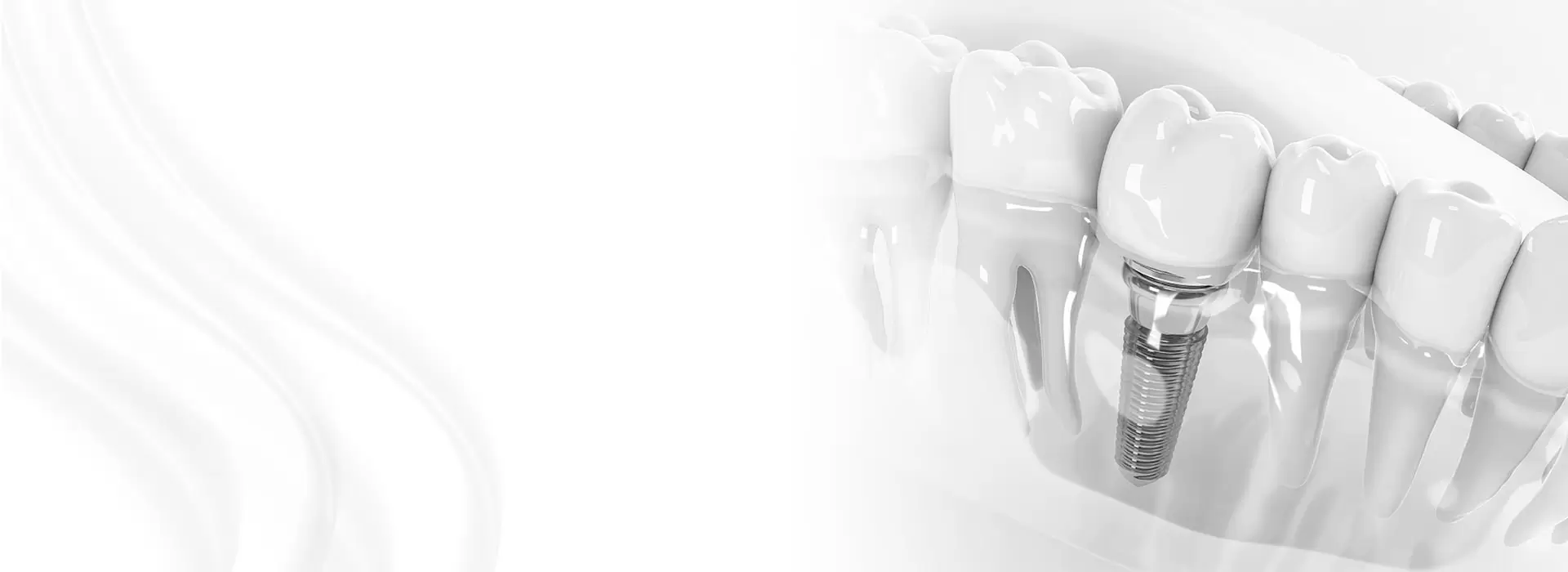
Not every dream smile needs the same procedure. Whitening may suit discoloured natural teeth; clear aligners can address suitable cases of crowding; veneers or crowns may improve shape, wear or significant damage; and implants may replace a missing tooth when the jawbone is healthy. Digital planning helps determine which combination is sensible rather than adding treatments simply because they are available.
Health comes first. Active decay, periodontal disease, infection or an unstable bite should be managed before cosmetic work. X-rays and a full oral assessment also help identify cases where a proposed crown or veneer would be unsafe. TruDent’s general and emergency services provide that wider clinical context, including care for problems that arise during a treatment journey.
Selected patients may also ask about botulinum toxin for cosmetic concerns or jaw-muscle tension. This can be discussed as a possible adjunct after diagnosis, with risks, duration and alternatives explained clearly. It should never replace an assessment of the bite, teeth or contributing habits such as grinding.
Comparing value for Australian patients
Australian dental consumers have plenty of private options in Sydney, Melbourne, Brisbane and Perth, and many ask for what they call a “natural-looking” result. Elective cosmetic treatment is usually self-funded: Medicare generally does not cover it, while private-health extras vary by policy and may only contribute to certain items or limits. A quote should therefore be compared by what is included, not by the headline total.
Treatment in Izmir may be attractive to patients budgeting in Australian dollars. Before travelling, request an itemised plan that separates consultations, imaging, laboratory work, each procedure and follow-up. The clinic’s guide to Izmir treatment costs offers useful context for full smile makeovers, but a personal quote remains the basis for your own decision.
Include the whole journey in the calculation: flights, accommodation, transfers, time away from work and any aftercare in Australia. Travellers from eastern Australia often connect through Istanbul, so recovery cannot be squeezed into a hurried day. Check whether your travel and dental insurance responds to planned overseas treatment. Also remember that AHPRA registration applies to Australian practitioners; for an overseas clinic, verify the treating dentist’s qualifications, sterilisation standards and access to emergency care.
Questions to take into every consultation
A good consultation should produce a written plan you understand. Ask for your digital preview, clinical photographs, proposed tooth dimensions and the reason each treatment is being recommended. A clinic should explain what is reversible, what is not, how long results should last and who is responsible if a problem develops after you return home.
Clinical points worth confirming include:
- Whether your gums and bone are healthy enough for the proposed treatment
- Whether the projected bite will preserve comfortable function
- Which materials and shade will be used
- What emergency or remedial care is included
Practical arrangements matter just as much, particularly when treatment is taking place overseas.
- A realistic timeline for treatment, recovery and planned follow-up
- Whether remote reviews are available after you return home
- Whether payment can be staged across different stages of care
- Which clinical records and travel documents you need to carry
Clear information is a feature of responsible care. Reviewing a clinic’s own explanations can reveal whether its communication meets your needs, and the clinic overview published by Dr Cetin Clinic is one example of a site a patient can assess on that basis. The same checks should be applied to TruDent: look for named clinicians, transparent fees, informed consent and a workable local follow-up plan.
Turning the digital preview into a natural-looking result
Once the plan is agreed, the digital design can move into the mouth. A temporary mock-up or trial phase lets you see the proposed proportions in person and request adjustments. This is particularly valuable for veneers and crowns, where final shape affects speech, comfort and lip support as well as appearance.
Treatment may then be staged: whitening and alignment before restorative work, or a sequence that protects the bite while replacing a missing tooth. TruDent can coordinate veneers, crowns, whitening, aligners and implants within the same general and aesthetic practice. Temporary restorations and careful try-in checks help ensure the final result feels harmonious rather than simply dramatic.
Digital precision does not remove the need for skilled placement or maintenance. Teeth can stain, wear or move; porcelain may chip; and an implant still requires healthy gums and good hygiene. A sensible review schedule and instructions for urgent problems provide the best chance of protecting the investment once you are back in Australia.
Begin your personalised smile journey
Start with the outcome you want, then let an examination show the safest route. A useful consultation includes photographs or scans, a discussion of your budget in Australian dollars, and clarity about whether you want a subtle improvement or a complete transformation. Bring records of past dental work and a current list of medications.
At TruDent Clinics in Izmir, ask for a personalised smile design plan that connects the visual preview with clinical findings, timing, costs and aftercare. Confirm whether treatment should be combined with general care, an emergency assessment or a discussion of botulinum toxin where appropriate. You should leave with written information, not pressure.
Schedule your consultation with TruDent Clinics and take the first step towards your dream smile with realistic expectations, transparent planning and a clinical team prepared to guide every stage.