Digital Smile Simulation for a New Look
Planning a smile makeover can feel exciting, yet the expected result often remains difficult to picture from words alone. Digital smile simulation gives patients a visual way to explore tooth shape, colour, alignment and proportions before committing to veneers, crowns, whitening, aligners or implants. It can make specific preferences easier to discuss and help identify where clinical constraints may affect the final outcome.
A simulation is best viewed as a planning tool rather than a guaranteed preview. Its value depends on accurate records, a thorough dental examination and an understanding of how gums, bite, facial movement and natural tooth response influence treatment. When used thoughtfully, it supports clearer communication between patient and dental team while keeping health, function and personal taste at the centre of the process.
Turning Ideas into a Personal Treatment Plan
The planning process normally begins with photographs, an intraoral scan or digital impression, and a discussion of the patient’s priorities. Someone may want a brighter smile, shorter teeth, a balanced appearance or improved symmetry. Others may be seeking to correct missing teeth or understand how several treatments could work together. Digital tools can map these goals to the patient’s existing dental structure.
The dental team can then develop alternative designs and compare them against features such as the lip line, visible gum tissue, tooth proportions and bite. Different conservative, restorative and orthodontic options may be presented without suggesting that every image represents the same treatment burden or timeline. This approach allows the patient to understand the likely sequence and trade-offs before travelling or arranging treatment.
Simulation becomes especially useful when expectations are uncertain. A requested shade seen on a monitor may differ from the result produced by a particular porcelain, composite or whitening system. Discussing those limits early reduces ambiguity and creates a more realistic shared decision. At TruDent Clinics in Izmir, consultations can incorporate the patient’s aesthetic goals with general dental health, creating a personalised plan rather than treating appearance separately from oral wellbeing.
What a Digital Preview Can Reveal
For veneers and crowns, simulation can illustrate changes in length, contour, surface character and shade. It may also show how a proposed restoration interacts with the smile line. This visual comparison can help a patient decide whether a noticeable transformation feels comfortable or whether a subtler design would better suit the face.
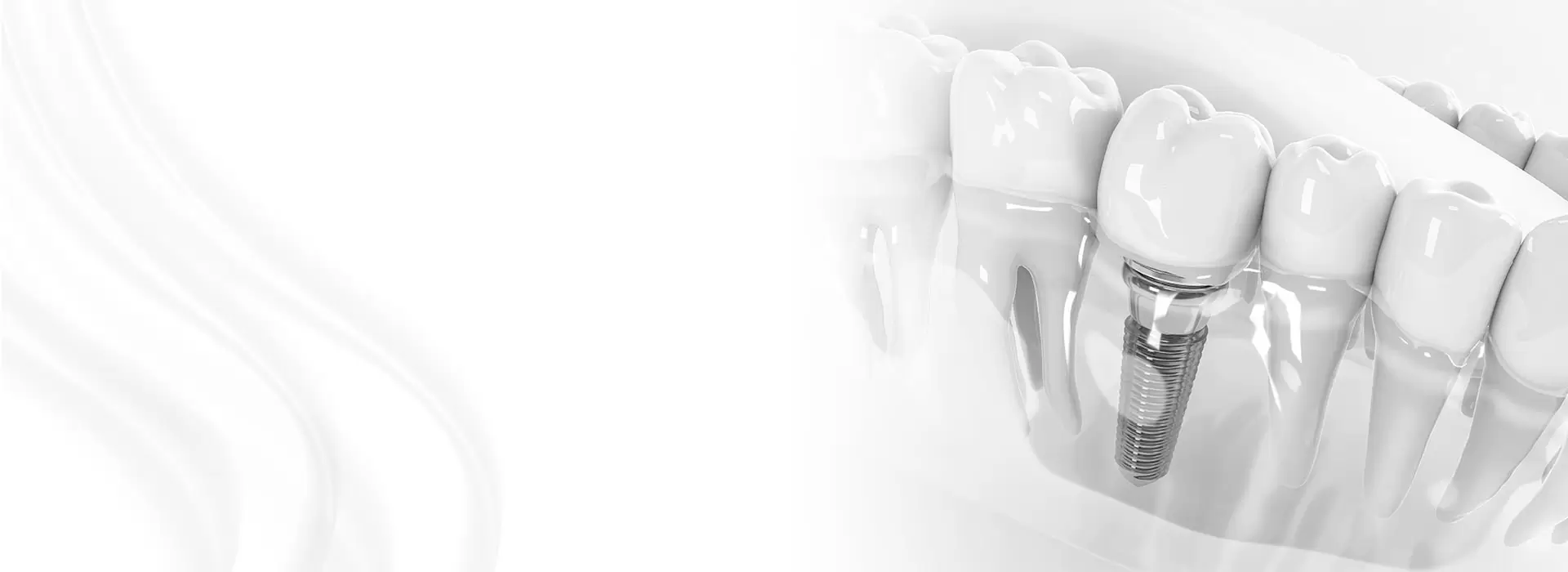
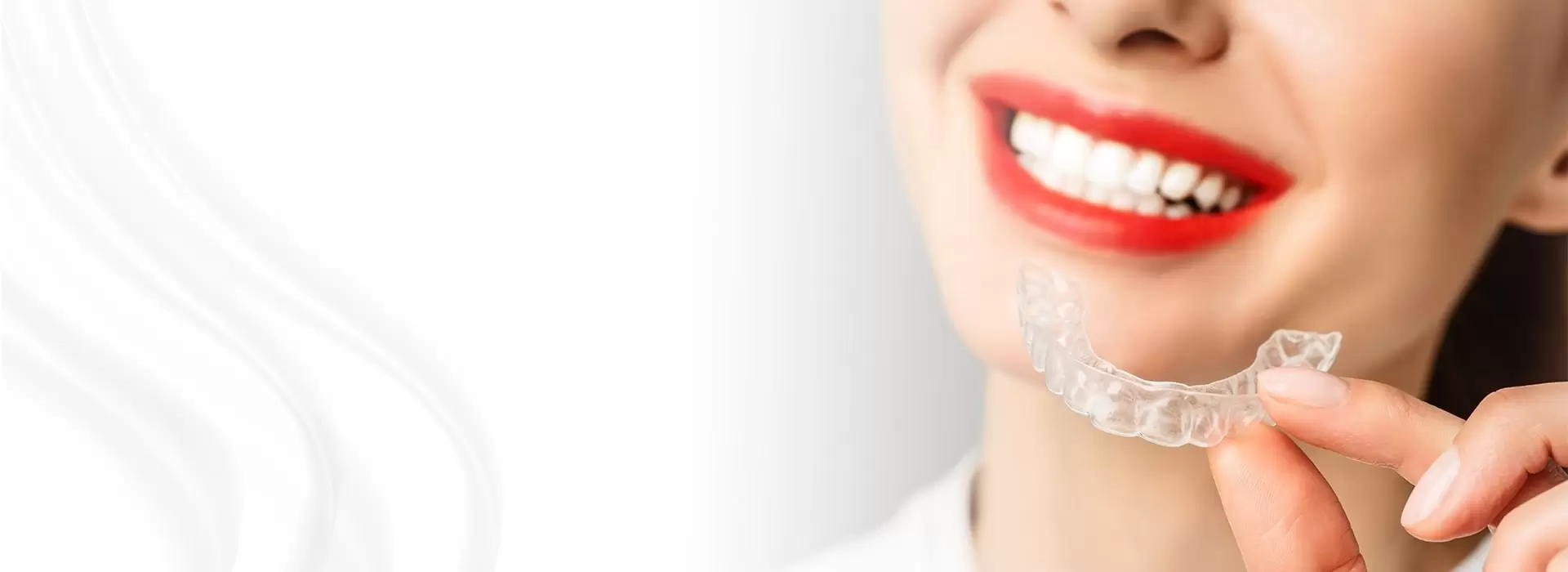
Whitening simulations indicate a possible change in brightness, although they do not predict how enamel will respond or how long the colour will remain. Aligner simulations can show the likely direction of tooth movement and give patients a more concrete idea of the proposed sequence. For implants, a missing tooth can be visualised in position to discuss spacing, crown proportions and the appearance of the completed smile.
The preview has boundaries. Screen settings, lighting, gum movement and facial expression can all influence an image. Some digital images may also present idealised geometry rather than the exact material or result achievable clinically. A clear explanation of these assumptions is essential, and any agreed design should still be checked through an examination and, where appropriate, a provisional restoration before the permanent stage.
Questions and Records to Bring
A useful consultation connects the visual preview with reliable clinical information. Patients should bring their treatment priorities, relevant medical details and any available dental history so the team can distinguish a feasible design from an image that has not accounted for oral health.
At your consultation:
- Clear photographs showing your smile from several angles
- Previous dental scans, X-rays or treatment records
- A list of treatments already considered or previously received
- Your preferred result, event date and practical budget
After receiving your preview:
- Check that assumptions about shade, shape and tooth position are accurate
- Compare conservative and restorative alternatives in the images
- Request the proposed stages, healing periods and follow-up care
- Obtain written information about fees, guarantees and revision policies
The simulation should invite feedback rather than pressure. Ask the clinician to explain which changes come from each treatment, what will remain unchanged and where natural variation is likely. Keeping notes during the consultation can also make comparisons easier once you begin considering quotes, travel dates and aftercare from different providers.
Australian Contexts for Overseas Dental Care
Australians in Sydney, Melbourne, Brisbane and other cities often compare local and overseas treatment using prices displayed in Australian dollars. Currency conversions can make budgeting easier, but they can also obscure the full package. Confirm whether the quotation includes consultations, scans, temporary restorations, airport transfers, medication, accommodation and the treatment of complications. Long-haul travel to Istanbul followed by a domestic connection to Izmir may also influence the number of days that should be allowed before returning home.
Daily habits deserve consideration because they affect both the requested outcome and maintenance. Regular coffee or tea may quickly influence new shade expectations, while contact sports, teeth grinding or jaw tension may affect restorative choices and aftercare. A useful plan accounts for these routines instead of designing a smile that fits only a brief clinical image. Patients should also establish who will manage an urgent dental issue once they return to Australia.
Regulation differs across borders. AHPRA regulates health practitioners working in Australia, but it does not regulate treatment provided entirely overseas. Ask for the dentist’s professional registration and the facility’s authorisation, then verify the details through the relevant Turkish authorities. The Australian Dental Association provides guidance for choosing dental care, while Medicare generally does not cover elective overseas cosmetic treatment and private policies often exclude it. Consumers should check their policy directly.
Australian Consumer Law protections may apply to misleading or unfair commercial representations, depending on the circumstances, but enforcing a complaint across countries can be complex. Written records are therefore particularly valuable. Patients should also understand how photographs, scans and health information will be stored and transferred, how consent will be managed and what communication channel should be used if a concern emerges after departure.
From Simulation to Treatment in Izmir
The first appointment should confirm that the proposed smile suits the patient’s face, voice, bite and personal expectations. The clinician may review photographs, scans, X-rays and gum condition before deciding whether the previewed treatment is suitable. General dentistry, gum health and jaw-related concerns can affect this assessment, particularly when the cosmetic goal involves extensive restorative work.
If the plan is approved, the simulation becomes a reference for clinical steps rather than a substitute for them. A trial or provisional phase can allow the patient to see and feel the proposed changes before final restorations are made. For longer journeys, this stage helps catch avoidable dissatisfaction while there is still time to communicate with the treating team and revise the next step within the agreed plan.
Treatment dates should reflect healing, stabilisation and the availability of temporary solutions. The patient also needs a clear aftercare schedule covering cleaning, shade maintenance, aligner wear or implant care. Knowing which clinician will handle follow-up in Turkey and which Australian provider will provide urgent or routine care after return helps create a safer continuity plan.
Begin With a Personalised Consultation
A digital smile preview can turn an abstract wish into a discussion about proportion, colour, alignment and treatment choices. It offers a clearer foundation for decisions, provided the images are supported by clinical assessment and patients understand the limits of screen-based design. Personalised planning also gives room to compare alternatives, budgets and timelines before beginning.
Contact TruDent Clinics in Izmir to arrange a consultation and ask how digital smile simulation can be incorporated into your treatment planning. Share your goals, relevant records and any timing considerations so the team can develop a personalised pathway with clear stages, expected investment and aftercare.