Bonding Agents And The Durability Of Dental Veneers
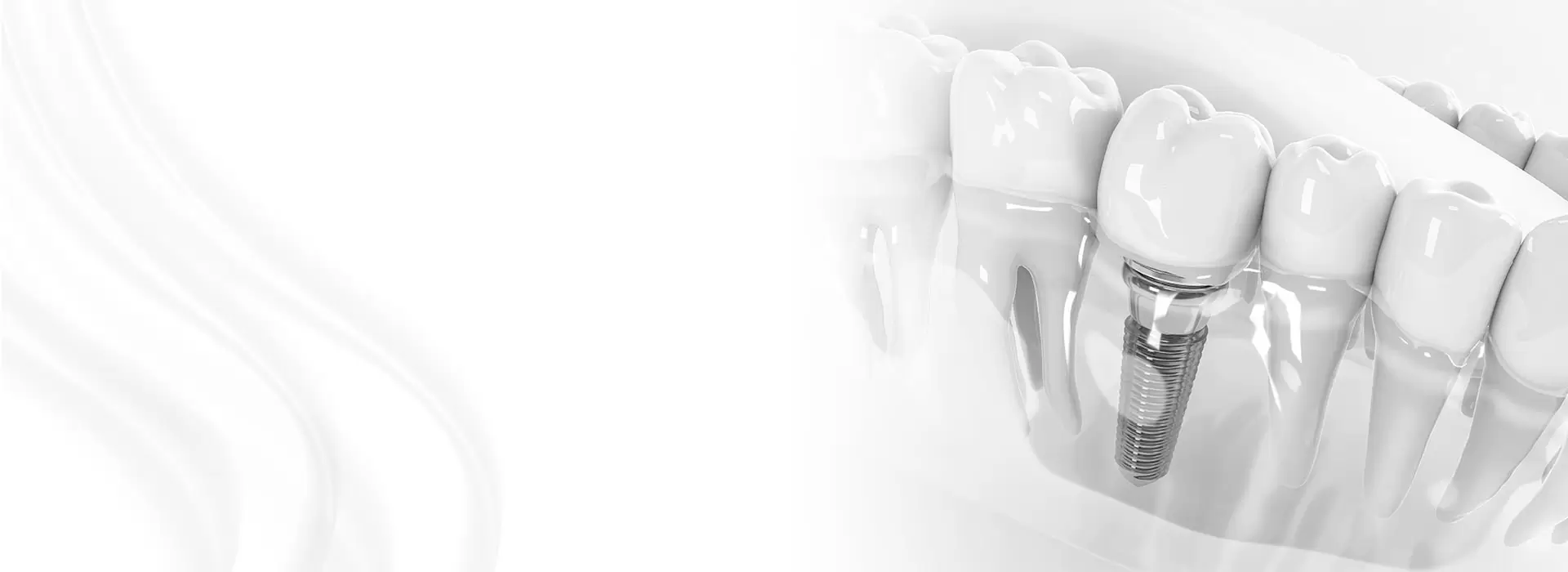
Dental veneers are thin restorations placed over the visible surfaces of teeth to improve colour, shape, proportion and minor alignment concerns. Their long-term performance depends on the ceramic or composite material, the preparation of the tooth and the precision of the final fit. A less visible but equally important factor is the bonding system that joins the veneer to enamel or dentine.
Modern adhesive dentistry uses several carefully matched materials rather than one universal “glue”. Acid etchants, primers, bonding resins, silane and resin cements each have a specific role. Together, they create micromechanical retention and chemical interaction between the tooth, cement and veneer.
For patients in Australia, this science matters when comparing treatment at home with care overseas. People from Sydney, Melbourne, Brisbane and Perth commonly assess travel time, follow-up access, private health extras and the total cost of a smile makeover rather than looking at the advertised veneer price alone.
A consultation with an experienced dentist should establish whether veneers are appropriate, how much natural tooth structure can be preserved and which material suits the bite. TruDent Clinics in Izmir develops personalised cosmetic dentistry plans, with treatment options that may include veneers, crowns, whitening, aligners and other restorative care.
How Veneer Bonding Works
A veneer is retained through a combination of surface texture, chemical attraction and the strength of the resin cement. On enamel, the dentist commonly applies phosphoric acid for a short, controlled period. This creates microscopic irregularities that allow the adhesive resin to penetrate and form resin tags after curing.
The inner surface of a glass-based ceramic veneer is usually treated separately. Hydrofluoric acid may be used by the dental team to create a porous surface, followed by a careful cleaning step. A silane coupling agent is then applied. Silane has one end that interacts with the silica in materials such as feldspathic porcelain or lithium disilicate and another end that links with the methacrylate groups in resin cement.
The result is a bonded interface rather than a simple layer of cement between two smooth surfaces. When the restoration is seated, excess cement is removed and the resin is polymerised with a curing light. The quality of this conversion affects hardness, stain resistance, water absorption and the bond’s ability to tolerate repeated chewing forces.
What Adhesive Chemistry Does
Adhesive systems can be categorised as etch-and-rinse, self-etch or universal adhesives. Etch-and-rinse systems use phosphoric acid on enamel and dentine before primer and adhesive are placed. Self-etch products combine conditioning and priming steps, while universal adhesives can be used in different protocols depending on the tooth surface and restorative material.
Dentine presents a greater technical challenge than enamel. It contains water, collagen and microscopic tubules, so contamination or over-drying can weaken the hybrid layer formed by adhesive resin and dentine. If a veneer preparation exposes substantial dentine, moisture control, primer selection and curing become especially important.
Some modern universal adhesives contain functional monomers such as 10-MDP. These molecules can interact with hydroxyapatite and contribute to chemical adhesion, particularly when the surface is prepared correctly. However, chemistry cannot compensate for poor isolation, an unstable bite or inadequate veneer fit. The bonding protocol must match the ceramic, cement and tooth surface.
Patients considering veneers and crowns should understand that the two restorations do not always use identical preparation and cementation strategies. Crowns cover more of the tooth and may rely on different retention principles, while thin veneers often depend heavily on a reliable enamel bond.
Why Bonded Veneers Age
A bonded veneer is exposed to thermal cycling, saliva, acidic foods, toothbrushing, chewing pressure and occasional impact. Every hot coffee followed by a cold drink causes small expansions and contractions in the oral environment. Over thousands of cycles, stresses may accumulate at the cement margin or within the ceramic.
The most common complications include marginal staining, debonding, ceramic fracture, wear of the opposing teeth and small chips. These problems are not caused by the adhesive alone. Bruxism, nail biting, ice chewing, an edge-to-edge bite and contact with hard foods can transfer forces that exceed the design limits of a veneer.
Water also affects resin-based materials over time. It can soften parts of the resin matrix and contribute to hydrolytic degradation at the interface. Incomplete light curing, an excessively thick cement layer or contamination with saliva or blood may leave areas with lower conversion and reduced mechanical performance from the beginning.
Research often reports veneer survival over many years, but results vary according to material, patient selection, preparation design and maintenance. A well-planned restoration may serve for a decade or longer, yet no dentist can promise a fixed lifespan. Longevity is better understood as the outcome of material science, clinical technique and daily habits working together.
Clinical Factors That Protect The Bond
Isolation is one of the most important practical elements in adhesive dentistry. A rubber dam, retraction, suction and careful moisture control help prevent saliva from interfering with the enamel, ceramic primer or resin cement. Even a small contaminant can reduce the consistency of the bond.
The dentist also assesses the amount of enamel available for adhesion. Conservative preparation that preserves sound enamel generally supports predictable bonding, while aggressive reduction may expose more dentine and increase technical demands. Digital scans, trial smiles and diagnostic wax-ups can help plan shape and thickness before irreversible treatment.
Cement shade and veneer thickness influence the final colour, especially with translucent ceramics. The dentist normally performs a try-in with a compatible paste, checks the patient’s bite and evaluates the result under suitable lighting. After cementation, finishing and polishing the margins reduce plaque retention and improve comfort.
Maintenance is equally relevant. A custom night guard may protect veneers for patients who grind their teeth, and regular professional examinations can identify marginal changes early. In Australia, routine dental visits are generally paid privately or through extras cover rather than Medicare for most adults, so checking policy limits and waiting periods before treatment can prevent unexpected expenses.
Choosing Treatment In Australia
The Australian dental market includes direct cosmetic advertising, overseas treatment packages and a wide range of ceramic systems. A lower quote may reflect differences in laboratory quality, appointment time, imaging, temporary restorations, aftercare or the number of teeth included. Patients travelling from Australia should also allow time for reviews and avoid scheduling treatment so tightly that a bite adjustment becomes difficult.
A dentist should explain whether the proposed restoration is feldspathic porcelain, lithium disilicate, composite resin or another material. Porcelain veneers are generally more resistant to staining and wear than composite alternatives, while composite may be easier to repair and can require less laboratory work. The best option depends on enamel condition, bite, aesthetic goals and budget.
| Factor |
What it influences |
Questions to clarify |
| Enamel preservation |
Adhesive reliability and future treatment options |
How much enamel will remain after preparation? |
| Ceramic type |
Strength, translucency, repairability and appearance |
Why is this material suitable for my bite? |
| Bonding protocol |
Initial retention and resistance to moisture-related ageing |
Which surface treatments and cement will be used? |
| Occlusion |
Risk of chipping, debonding and jaw strain |
Do I need a night guard or bite adjustment? |
| Follow-up care |
Early detection of staining, fracture or discomfort |
Who provides reviews if I return to Australia? |
| Total cost |
Treatment value and financial planning |
Are scans, temporaries, laboratory fees and revisions included? |
Practical Recommendations
- Ask for a written treatment plan showing the material, number of veneers, preparation approach and aftercare arrangements.
- Tell the dentist about grinding, jaw pain, sports, nail biting and any previous bonding or orthodontic treatment.
- Confirm how emergencies, repairs and replacement would be managed if you travel between Australia and Turkey.
- Maintain regular examinations, professional cleaning and a suitable night guard when recommended.
- Compare treatment outcomes and clinical experience rather than choosing solely by the lowest advertised price.
A durable veneer begins with a sound diagnosis and a controlled bonding procedure. At TruDent Clinics, a consultation can assess your smile goals, enamel condition, bite and suitability for veneers or alternative treatments. Contact the clinic to arrange a personalised assessment and receive a treatment plan designed around long-term function as well as appearance.