The Step-by-Step Process of Getting Dental Implants
Replacing missing teeth involves more than placing an artificial tooth in a gap. A successful result depends on healthy gums, adequate jawbone support, careful planning, and a restoration that fits your bite and appearance. Dental implants can restore chewing function while helping preserve the structure of the jaw.
The Step-by-Step Process of Getting Dental Implants usually takes place over several appointments. The exact timeline varies according to the number of missing teeth, bone density, gum health, healing speed, and whether additional procedures are required. At TruDent Clinics in Izmir, each treatment plan is developed around the patient’s oral health, aesthetic preferences, and long-term goals.
Implant dentistry may be suitable for a single missing tooth, several teeth, or a complete arch. Before treatment begins, your dentist will explain the available options, expected stages, healing periods, and maintenance requirements so you can make an informed decision.
Initial consultation and oral assessment
The first appointment begins with a review of your dental and medical history. Your dentist will ask about existing conditions, medications, allergies, smoking habits, previous dental treatments, and any symptoms such as pain or gum bleeding. These details can affect implant placement and healing.
A comprehensive examination usually includes an assessment of the gums, remaining teeth, bite, jaw joints, and available space for the replacement tooth. Digital X-rays or three-dimensional scans may be used to examine the jawbone and identify nerves, sinuses, and other anatomical structures. These images help the dentist select the appropriate implant position, size, and angle.
If gum disease, tooth decay, or an infection is present, it may need to be treated before implant surgery. Some patients also require a bone graft or sinus lift because the jawbone has become too thin after tooth loss. Addressing these concerns first improves the foundation for a stable restoration.
Creating a personalised treatment plan
Once the assessment is complete, your dentist will discuss the recommended implant solution. A single missing tooth is often replaced with one implant and a dental crown. Several adjacent missing teeth may be restored with an implant-supported bridge, while patients without teeth may benefit from an implant-retained denture or full-arch treatment.
Treatment planning also considers the appearance of your smile. The shade, shape, size, and position of the final teeth can be designed to complement your facial features and natural teeth. Digital planning may allow the team to preview the proposed result and plan implant placement with greater precision.
The plan should also include an estimated schedule, the stages of care, aftercare instructions, and the type of final restoration. If you are travelling to Izmir for treatment, ask the clinic how many visits may be needed and how appointments can be coordinated around the healing period.
Preparing the mouth for implant placement
Preparation depends on your individual needs. If a damaged tooth must be removed, the dentist may extract it before implant placement or, in selected cases, place an implant during the same appointment. Immediate implant placement is only appropriate when the socket and surrounding tissues meet specific clinical requirements.
Bone augmentation may be recommended when the jaw cannot securely support an implant. During a bone graft, additional bone material is placed in the deficient area and allowed to integrate. A sinus lift can increase bone height in the upper back jaw when the sinus is positioned close to the planned implant site. Healing after these procedures can add several months to the overall process.
Good oral hygiene is especially important before surgery. Patients may be advised to stop smoking, control certain medical conditions, and arrange transport home after the procedure. Your dentist will provide specific instructions about eating, medication, and brushing around the surgical area.
Placing the dental implant
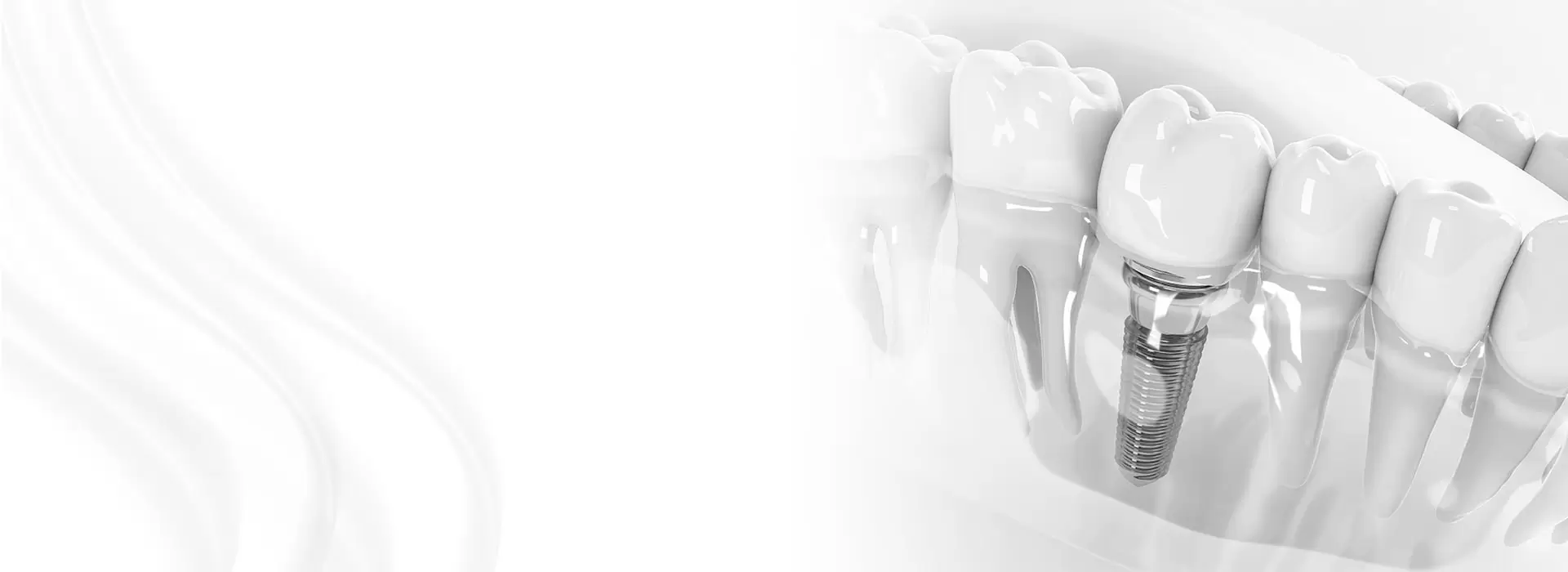
The implant placement procedure is performed under local anaesthesia, with sedation available for suitable patients who feel anxious. The dentist makes access to the jawbone, prepares a precise channel, and inserts the titanium or biocompatible implant fixture. The fixture functions as an artificial tooth root.
After placement, the gum may be closed over the implant or shaped around it, depending on the treatment approach. A temporary tooth may be provided when appropriate, particularly when appearance or chewing comfort is important. However, the temporary restoration is usually designed to protect the area rather than provide the full strength of the permanent tooth.
Mild swelling, tenderness, bruising, or sensitivity can occur during the first few days. These effects are generally managed with the instructions and medication provided by the dental team. Contact the clinic promptly if you experience severe pain, persistent bleeding, fever, or swelling that worsens rather than improves.
Healing and osseointegration
After implant surgery, the jawbone gradually bonds with the implant surface in a process called osseointegration. This creates the stable support needed for the final crown, bridge, or denture. The healing period often lasts several months, although the timeframe depends on bone quality, implant location, grafting procedures, and overall health.
During this stage, you may use a temporary restoration. It is important to follow the dentist’s advice about chewing, cleaning, and attending review appointments. Avoiding pressure on the surgical site and maintaining gentle but thorough oral hygiene can support recovery.
The dentist will monitor healing before proceeding. Clinical examinations and, when needed, imaging can confirm that the implant is stable. Placing the permanent tooth too early may compromise integration, so the final stage should begin only when the implant and surrounding tissues are ready.
Adding the abutment and final restoration
Once osseointegration is complete, an abutment is attached to the implant. This small connector supports the visible replacement tooth. In some treatment methods, the abutment is placed during the original surgery and remains protected beneath the gum until the restoration stage.
The dentist may take digital scans or traditional impressions to design the final crown, bridge, or implant-supported denture. The laboratory uses this information to create a restoration that matches the planned shade and shape. Your bite is checked carefully so the new tooth works comfortably with the surrounding teeth.
At the fitting appointment, the restoration is secured to the abutment, either with dental cement or a screw-retained connection. Your dentist will inspect the margins, appearance, contact points, and chewing function. Small adjustments can often improve comfort and ensure the implant restoration feels natural.
| Replacement option |
Common use |
Main support |
Typical considerations |
| Single implant and crown |
One missing tooth |
Individual implant fixture |
Helps avoid preparing neighbouring teeth |
| Implant-supported bridge |
Several missing teeth in one area |
Two or more implants |
Replaces multiple teeth without an implant for every tooth |
| Implant-retained denture |
Many missing teeth or a complete arch |
Several implants and attachments |
Improves denture stability and chewing confidence |
| Conventional bridge |
One or more missing teeth |
Prepared neighbouring teeth |
Does not require implant surgery but may affect healthy teeth |
| Removable denture |
Multiple or complete tooth loss |
Gums and oral tissues |
Removable and generally less stable than an implant-supported option |
Caring for implants over the long term
Dental implants cannot develop cavities, but the surrounding gums and bone can still become inflamed. Plaque accumulation may lead to peri-implant disease, which can threaten implant stability. Daily brushing, interdental cleaning, and professional hygiene appointments are essential.
Your dentist may recommend special floss, interdental brushes, water irrigation, or other cleaning tools depending on the shape of your restoration. Avoid using excessive force around the gumline, and report bleeding, persistent discomfort, mobility, or changes in the bite.
Regular reviews allow the dental team to check the implant, restoration, gum health, and bone support. Avoiding tobacco and managing conditions such as diabetes can also support long-term oral health. With suitable care, an implant restoration can provide durable function, although crowns, bridges, or denture components may eventually need repair or replacement.
Practical recommendations before treatment
- Bring a complete list of medications, supplements, allergies, and relevant medical conditions to your consultation.
- Ask whether gum treatment, tooth extraction, bone grafting, or a sinus lift is needed before implant placement.
- Discuss the full treatment schedule, including healing time, temporary teeth, review appointments, and final restoration fitting.
- Follow all surgical aftercare instructions and avoid smoking during the healing period.
- Maintain daily oral hygiene and attend regular implant maintenance visits after treatment.
A missing tooth does not have to affect your confidence, nutrition, or daily comfort indefinitely. At TruDent Clinics in Izmir, a consultation can establish whether implant treatment is appropriate and outline a personalised route from examination to final smile restoration. Contact the clinic to arrange an appointment and begin planning your next step with an experienced dental team.