Dental Implant Treatment From First Consultation To Final Smile
Replacing a missing tooth with a dental implant involves several carefully coordinated stages. The process begins with an assessment of your oral health and ends when a natural-looking crown is fitted over the healed implant. Each stage has a specific purpose, and the timetable can vary according to bone quality, gum health, the number of teeth being replaced, and your general medical history.
For Australians considering treatment in Izmir, Turkey, planning is especially important. Patients travelling from Sydney, Melbourne, Brisbane or regional areas need to allow time for consultations, surgery, healing and follow-up appointments. A clear treatment plan, written cost breakdown and reliable aftercare arrangements can make the experience more predictable.
Initial Consultation And Dental Assessment
The first appointment is used to establish whether an implant is suitable. Your dentist will examine the gums, neighbouring teeth, bite and the area where the tooth is missing. They will also ask about medical conditions, medications, smoking, previous dental work and any symptoms such as pain or swelling.
Digital X-rays and three-dimensional CBCT scans may be taken to assess the jawbone, nerves, sinuses and tooth roots nearby. These images help the dentist select the implant position, diameter and length. If you are seeking an implant consultation team, ask for copies of your scans and proposed treatment plan so they can be discussed with your regular dentist in Australia.
A consultation may also identify issues that must be addressed first. Active gum disease, untreated decay, poor oral hygiene or an unstable bite can reduce the chance of successful healing. Treating these concerns before implant surgery is often an essential part of the process rather than an optional extra.
Treatment Planning And Preparation
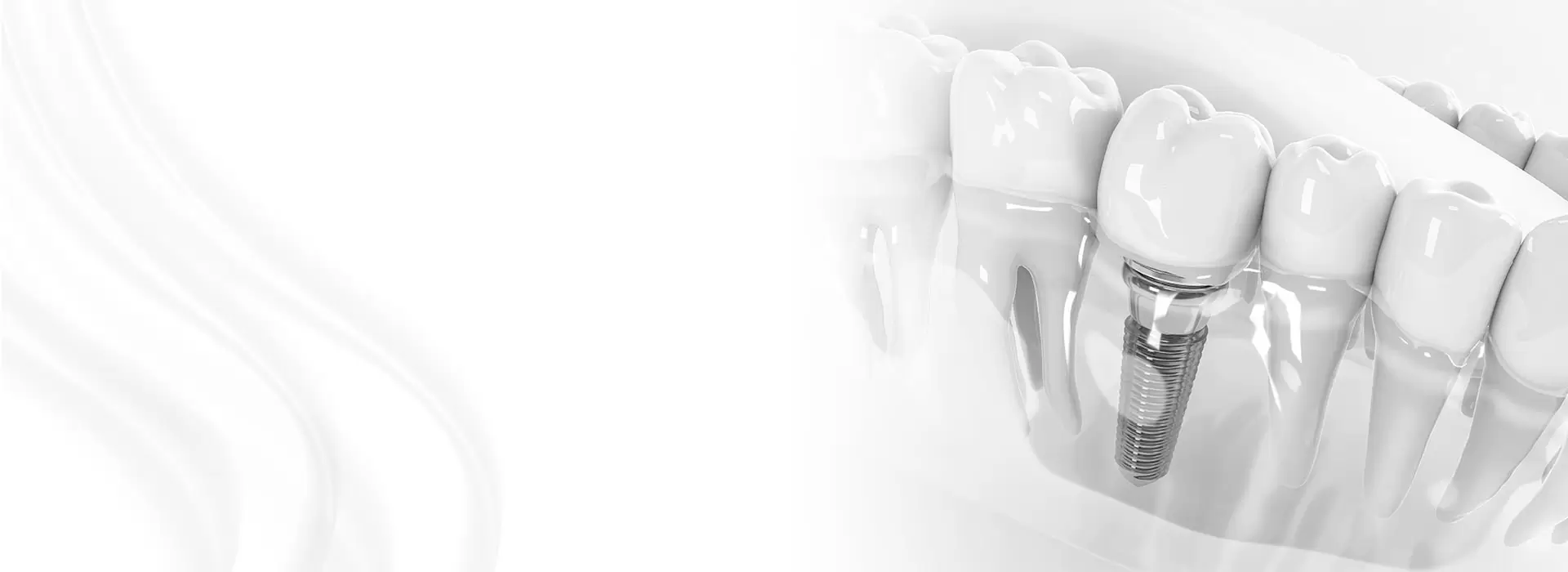
Once the assessment is complete, the dentist explains the recommended sequence. This usually includes the implant fixture, the healing period, the abutment and the final crown. If several teeth are missing, the plan may involve an implant-supported bridge or full-arch restoration instead of one implant for every tooth.
Some patients need preparatory procedures. A bone graft may be recommended when the jaw has lost volume after tooth extraction, while a sinus lift can create additional space in the upper back jaw. Gum treatment, a planned extraction or temporary replacement teeth may also be included. These steps can add several months to the overall schedule.
Australians should request a written quotation covering scans, temporary teeth, grafting, surgery, the prosthetic crown and follow-up care. Private health insurance extras may contribute to some dental services, but implant benefits, waiting periods and annual limits differ between policies. Medicare generally does not cover routine adult dental implant treatment, so checking your policy before booking flights is sensible.
Implant Placement Surgery
On the day of surgery, the area is numbed with local anaesthetic. Sedation may be available for patients who feel anxious, although the options depend on the clinic, medical history and procedure. The dentist makes a small opening in the gum and prepares the bone with specialised instruments before placing the titanium implant.
The implant acts as an artificial tooth root. It is positioned beneath the gumline, and the gum may be closed over it while the bone heals. In selected cases, a temporary crown can be attached immediately, but this is only appropriate when factors such as implant stability, bite pressure and appearance have been carefully assessed.
The procedure itself may take around 30 minutes for a straightforward single implant, while multiple implants or additional grafting can take longer. Mild swelling, bruising, tenderness and a small amount of bleeding are common afterwards. Clear instructions should cover pain relief, rinsing, brushing, diet and warning signs that require urgent attention.
Bone Healing And Osseointegration
After placement, the implant needs time to bond with the surrounding jawbone. This biological process is called osseointegration. It commonly takes between three and six months, although the timeframe depends on the jaw, the patient’s healing response and whether bone grafting was carried out.
During this period, a temporary tooth may be worn to protect appearance and function. It should not be used to bite hard foods unless the dentist has approved that level of pressure. Smoking and vaping can interfere with circulation and healing, while poor plaque control can increase the risk of inflammation around the implant.
Patients travelling from Australia should plan their visits around this healing stage. Some clinics can complete the surgical phase during one trip and the final restoration during a later trip, while others coordinate with an Australian dentist for selected checks. Confirm who will manage complications, adjustments and imaging before treatment begins.
| Treatment stage |
What usually happens |
Typical timing |
| Assessment |
Examination, medical history, X-rays and CBCT scan |
One appointment |
| Preparation |
Extraction, gum treatment or bone graft if required |
Several weeks to months |
| Implant surgery |
Titanium fixture is placed in the jaw |
One day |
| Healing |
Bone integrates with the implant |
About three to six months |
| Restoration |
Abutment and custom crown are fitted |
One to several appointments |
| Maintenance |
Reviews, professional cleaning and home care |
Ongoing |
Abutment And Final Crown Placement
When healing is satisfactory, the dentist checks that the implant is stable and the surrounding tissues are healthy. If the implant was covered by gum, a minor procedure may be needed to expose it. An abutment is then connected to the implant, providing the support for the visible replacement tooth.
The dentist or dental laboratory records the shape, shade and bite of your teeth. Digital scans or traditional impressions help create a crown that matches the neighbouring teeth. The final restoration may be made from zirconia, porcelain fused to metal or another suitable material, depending on its position, strength requirements and cosmetic goals.
The crown is usually tried in before it is permanently secured. Your dentist will check that it feels comfortable, meets the opposing teeth correctly and looks natural when you smile. Small adjustments can improve speech and chewing, so tell the clinician if the bite feels high or the tooth feels uncomfortable.
Recovery And Everyday Care
Good aftercare protects both the implant and the natural teeth around it. Brush twice daily with a soft toothbrush and use floss, interdental brushes or a water flosser as recommended. Special attention is needed around the gumline because food debris and plaque can cause peri-implant inflammation.
Attend professional cleans and review appointments at the intervals advised by your dentist. An implant cannot develop ordinary tooth decay, but the gum and bone supporting it can still become infected. Bleeding, persistent swelling, pus, looseness, bad taste or new discomfort should be assessed promptly rather than ignored.
Australians returning home after treatment should give their local dentist the implant brand, surgical notes, crown details and radiographs. These records are valuable if you need an adjustment in Perth, Adelaide or another city. They can also help your Australian dentist coordinate long-term maintenance with the overseas provider.
Risks, Suitability And Expected Longevity
Dental implants have high success rates, but no procedure is guaranteed. Risks include infection, implant movement, nerve irritation, sinus complications, delayed healing and failure to integrate with the bone. The likelihood of problems can be influenced by diabetes control, smoking, gum disease, bone density, oral hygiene and excessive biting forces.
A careful assessment is particularly important for people taking blood thinners, medicines affecting bone metabolism or treatments that suppress the immune system. Do not stop prescribed medication without medical advice. Your dentist may need to communicate with your GP or specialist before surgery.
With regular maintenance, a well-planned implant and crown can function for many years. The crown may eventually need repair or replacement because of normal wear, while the implant fixture itself may remain stable. Wearing a night guard can be helpful for some patients who grind or clench their teeth.
Planning Dental Care In Turkey
Treatment abroad can offer access to experienced clinicians and coordinated cosmetic and restorative services, but the logistics require careful attention. Ask how many visits are needed, how long you should remain in Izmir after surgery, what happens if a flight must be changed and whether emergency support is available outside clinic hours.
Avoid scheduling surgery immediately before a long flight, major work commitment or holiday involving strenuous activity. Allow time for swelling and follow-up checks, and follow the clinic’s advice about flying after sinus-related procedures. Keep prescribed medicines, treatment records and contact details accessible while travelling.
A successful result depends on more than the implant brand or the appearance of the crown. It relies on accurate diagnosis, suitable timing, careful surgery, healthy gums and consistent maintenance after you return to Australia. Speak with TruDent Clinics about your scans, treatment objectives and travel schedule to receive a personalised plan for replacing missing teeth and restoring comfortable function. Book a consultation before making arrangements so each stage, cost and follow-up responsibility is clearly explained.