The Truth About Pain Levels in Modern Implant Surgery
Modern dental implant surgery is often presented as painless or nearly painless. The more accurate view is that most suitable patients experience manageable discomfort rather than severe pain, although no single description fits every operation, jaw, or recovery. Knowing what the procedure involves makes it easier to plan time away from work, transport, and aftercare.
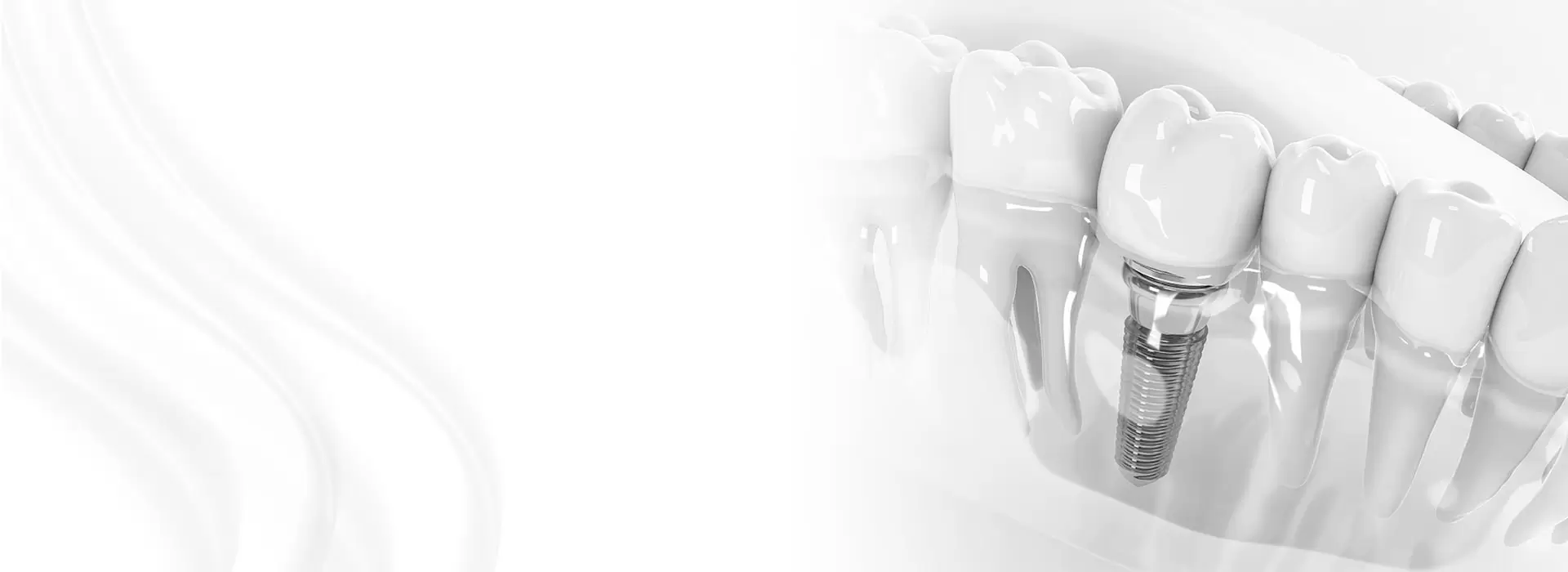
During implant placement, the surgeon makes an opening in the gum, prepares a precise channel in the jawbone, inserts the implant, and closes the tissue. A local anaesthetic normally prevents sharp pain, so patients may feel pressure, vibration, or movement. If the damaged tooth must first be removed, that extraction can influence the overall discomfort.
Modern techniques have reduced bleeding, swelling, and operative time, but they have not made healing identical for everyone. Bone quality, grafting, infection, medical conditions, and previous dental experiences all affect the experience. Clear expectations are more useful than promises that surgery will be completely pain-free.
For Australian patients considering implants in Izmir, understanding the likely recovery is just as important as comparing costs. Local follow-up arrangements, travel plans, insurance, and access to emergency care should be considered alongside the anticipated level of surgical discomfort.
What Patients Actually Feel
While the implant is being placed, most patients report pressure rather than pain. Drilling and tightening can be surprisingly loud, and vibration may be more noticeable than discomfort. Numbness also changes how the mouth feels, making it difficult to judge whether the cheek or lip is being bitten.
After surgery, throbbing, tenderness, and swelling are common during the first 48 to 72 hours. The discomfort often feels similar to a deep bruise or the ache following an intense dental extraction. It generally improves with time, especially when the patient follows the prescribed medication and aftercare instructions.
Individual pain thresholds matter more than online anecdotes suggest. Someone who has tolerated dental work well may have an uncomplicated recovery, while another may feel soreness more intensely. Anxiety can also increase muscular tension and make the experience seem harder than it objectively is.
Why Surgical Pain Varies
Numbing and sedation are major influences on comfort. Local anaesthetic is normally used for implant placement, while oral or intravenous sedation may be offered for anxious patients or longer procedures. Sedation often reduces awareness of discomfort, although some patients remember more of the experience than they expected.
The position of the implant also affects recovery. A straightforward anterior tooth may involve limited surgical access, while a molar replacement can require more manipulation near the jaw joint. The upper jaw may swell differently from the lower jaw, and thin or dense bone can change the amount of drilling required.
Additional procedures can increase temporary discomfort. A bone graft, sinus lift, flap elevation, or removal of several teeth may be necessary. Although these steps are sometimes essential for long-term success, they can extend healing time and make the first few days less comfortable than implant placement alone.
Modern Techniques And Their Limits
Digital planning and three-dimensional imaging allow the surgeon to assess bone volume and position the implant more accurately. Computer-guided surgery, surgical stents, and high-precision instruments can reduce unnecessary tissue damage. These advances support a controlled procedure with fewer surprises.
Flapless implant placement can involve less gum incision and may reduce postoperative swelling. It is not automatically the least painful option, however, and it is unsuitable in every case. The surgeon still needs adequate bone, a safe path into the jaw, and enough space for the prosthetic tooth.
Technology supports clinical judgement; it cannot eliminate biological variation. Osseointegration still takes time, and the jaw may respond differently from one patient to the next. Modern implant surgery is generally predictable, but responsible planning still includes a conservative pathway if swelling, poor bone quality, or unexpected anatomy is encountered.
Recovery And Pain Management
Most discomfort is concentrated in the first few days. Patients are usually advised to rest, eat soft foods, avoid smoking, and keep the implant area clean without repeatedly rinsing it. Ice packs applied intermittently during the first day may help control swelling, while sleeping with the head slightly elevated can also improve comfort.
Paracetamol and ibuprofen are commonly used for postoperative pain when suitable for the patient. The correct dose depends on health conditions, other medicines, allergies, and local prescribing guidance. Antibiotics may be prescribed when clinically indicated, but they are not substitutes for pain relief and should not be taken unnecessarily.
Persistent or increasing pain requires assessment rather than simple reassurance. Fever, pus, an unpleasant taste, prolonged bleeding, worsening swelling, or numbness may indicate infection, nerve irritation, or another complication. Patients should contact the treating clinic promptly and seek urgent local dental care when they are travelling or cannot reach their surgeon.
Implants Compared With Other Dental Procedures
Compared with removing a badly broken tooth, straightforward implant placement may involve less postoperative soreness because no tooth roots must be extracted. The comparison becomes less predictable when infection, bone loss, or grafting is present, since those conditions can make either procedure more demanding.
An implant also differs from root canal treatment or a conventional bridge. Root canal therapy usually treats pain within the tooth, while a bridge may require reshaping neighbouring teeth. Implant surgery involves the jawbone, so swelling and tenderness are expected even though most patients can continue normal activities relatively quickly.
Timing can influence the experience. Placing an implant and postponing the final crown may allow initial healing before the restoration is fitted. This staged approach is not right for every case, but it can make the overall process easier to manage without changing the implant’s long-term function.
Considerations For Australian Patients
Routine dental implants are generally not covered by Medicare in Australia, although specific circumstances and public dental programmes can have different rules. Private health extras policies may provide a partial benefit, but annual limits, eligibility conditions, and waiting periods vary. Patients should check their policy before assuming a rebate will reduce the final cost.
Pricing differs across Australian markets, from Sydney and Melbourne to Brisbane, Adelaide, and Perth. An itemised quote should separate the implant, abutment, crown or arch, imaging, grafting, and follow-up appointments. Many metropolitan practices offer in-house three-dimensional imaging, so patients can compare both the treatment pathway and the total fee rather than focusing only on the advertised implant price.
Some Australians travel to Izmir for implant treatment because treatment costs and access to particular restorative options may be attractive. A safe plan includes time for the initial consultation, surgery, provisional restorations, and the required follow-up. It should also identify an Australian dentist who can provide urgent care after the patient returns home, particularly if long-haul flights make complications difficult to manage.
Planning A Comfortable Surgical Experience
A useful consultation covers more than the appearance of the proposed tooth. The surgeon should review the medical history, medications, allergies, jaw anatomy, bone volume, and the condition of adjacent teeth. Imaging may be needed to determine whether a standard implant, a graft, or a different restorative solution is appropriate.
Patients should receive a written plan describing the anaesthetic approach, expected duration, swelling, pain control, eating restrictions, and review schedule. It is also helpful to establish how complications will be managed and who should be contacted after leaving the clinic. Clear communication reduces uncertainty and allows recovery arrangements to be realistic.
TruDent Clinics in Izmir emphasises personalised implant planning, and its dental implant guidance provides additional background for people comparing procedures and aftercare. The appropriate treatment and pain-management approach must ultimately be selected after a clinical examination.
If you are considering a dental implant, arrange a consultation to discuss your jaw, medical history, treatment stages, and expected recovery. A clear treatment pathway and a plan for follow-up care can make modern implant surgery a more comfortable and predictable experience.