Teeth whitening and the truth about tooth enamel
The truth about teeth whitening and whether it damages tooth enamel is more nuanced than many headlines suggest. Whitening does not scrub enamel away like an abrasive household cleaner. It uses peroxide-based chemicals to break down colour molecules, and the safety of that process depends on concentration, contact time, technique and the condition of the teeth.
Enamel is the hard outer layer of a tooth, but it cannot grow back once it has been lost. Acid exposure, grinding and over-brushing can erode or abrade it. Bleaching may temporarily increase sensitivity or make the surface feel slightly rougher, yet controlled clinical use has generally not been shown to cause major enamel loss.
For Australians comparing professional treatment with kits from a chemist or online marketplace, the practical question is whether the product is appropriate, correctly used and supervised. Daily habits, dental regulation and easy access to acidic drinks can influence both colour and risk. Understanding these variables helps separate useful whitening from aggressive or poorly controlled treatment.
What teeth whitening actually removes
Teeth whitening targets chromogens, the pigmented molecules that collect in and on a tooth. Peroxide oxidises these molecules, making them lighter and less noticeable. The process mainly affects the organic pigments in enamel and dentine rather than removing a measurable layer of healthy tooth.
Some staining sits on the tooth surface and can be managed through professional cleaning and careful home care. Other colour lies deeper within the tooth, often following childhood antibiotic use, trauma or natural developmental changes. Deeper stains may respond more slowly and may need several treatment cycles, so expectations should be based on the cause rather than an advertised shade change.
Whitening also applies to natural tooth structure only. Composite fillings, porcelain veneers, crowns and most other restorations keep their original colour. If a front tooth contains a large filling, bleaching can leave a visible mismatch, and the dentist may recommend replacing the restoration after the surrounding teeth reach a stable shade.
When enamel is at risk
During bleaching, hydrogen peroxide or carbamide peroxide diffuses through enamel and reaches the dentine beneath. This can open tiny fluid pathways within the tooth, allowing hot, cold or sweet foods to trigger a sharper sensation. The effect is usually temporary, and it does not by itself prove that enamel has been destroyed.
Systematic reviews of professionally supervised whitening generally find that clinically significant enamel loss is uncommon. They do identify short-term sensitivity and gum irritation as the more frequent adverse effects. In addition, some research suggests that the enamel surface can become temporarily rougher after bleaching, then gradually return toward its usual state as the tooth rehydrates.
Repeated or excessive whitening is a different matter. Applying strong gel too often, leaving it on too long or using poorly fitting trays can increase chemical exposure to one area and inflame the pulp or gums. Bleaching also cannot repair an existing crack, cavity or exposed root. Teeth with those problems need assessment before any cosmetic chemical is applied.
Professional treatment compared with home kits
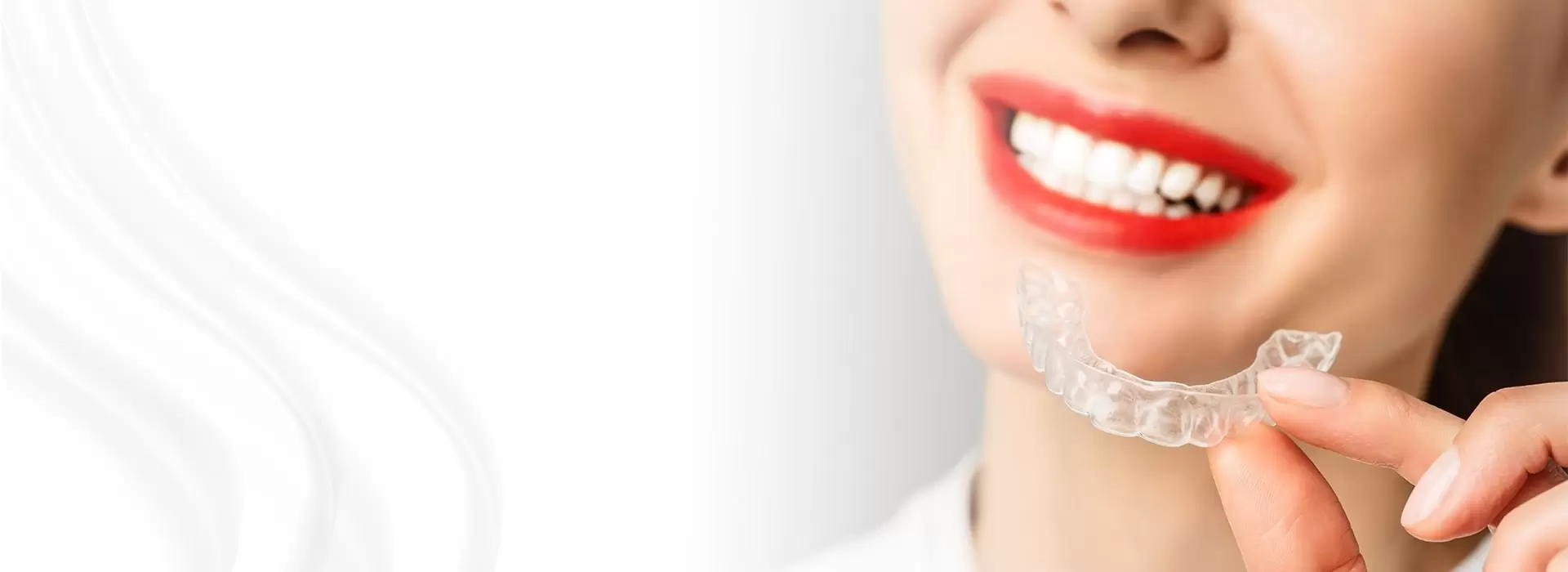
A dentist can select a peroxide strength suited to the tooth, protect the gums and control how long the gel remains in contact. Treatment may involve custom trays for supervised home use, in-office gel, or a combination of both. The consultation also allows existing restorations and sensitivity to be considered before the enamel is exposed to peroxide.
Chemist and online products vary widely. Some contain low-percentage gels intended for gradual use, while others arrive with generic trays, unclear instructions or exaggerated claims. A fitted tray matters because it keeps gel against the teeth while limiting contact with the gums. An LED light may speed up the whitening reaction, but it cannot make an unsuitable gel safe or improve its fit.
Charcoal powders, whitening pastes and aggressive “brighter in one day” products create a separate risk. Their abrasive particles can wear enamel when combined with forceful brushing, and some formulas are more effective at removing surface stains than changing deep colour. These products should not be confused with peroxide treatment. A dentist can identify whether surface polishing alone will achieve the desired result.
Understanding sensitivity after whitening
Sensitivity is the most common unwanted effect of tooth bleaching. It may feel like a brief ache in response to cold water, coffee or exposed sugar, particularly during the first few days. Some people experience no discomfort, while others have a stronger response. The intensity depends on the peroxide concentration, treatment duration, existing enamel condition and whether the gums were exposed.
Mild, short-lived sensitivity can often be managed by pausing between whitening cycles, using a toothpaste formulated for sensitive teeth and avoiding very hot or cold drinks. A dentist may recommend a lower-strength gel or more gradual schedule. Over-the-counter pain medicine can help in some cases, but the appropriate dose and suitability should be checked with a pharmacist or clinician.
Persistent pain, sharp one-tooth pain, swelling or gum burns should not be dismissed. These signs may point to decay, a cracked tooth, exposed root or chemical injury rather than normal temporary sensitivity. Continuing to bleach without an examination can worsen the problem. A short clinical review is more useful than repeatedly buying stronger products online.
Whitening habits and rules in Australia
Coffee culture is part of daily life in cities such as Sydney and Melbourne, where flat whites, iced coffees and tea can leave the kind of surface staining that responds well to professional cleaning. Red wine and tobacco also discolour teeth, although tobacco staining can be stubborn. Whitening can lighten these marks, but it cannot prevent new stains from forming, so habits still matter.
The local market includes supermarket aisles, pharmacies and online marketplaces offering inexpensive whitening devices. Buyers should check the Australian Register of Therapeutic Goods through the TGA and confirm that a peroxide product is legally supplied here. They should also verify that the dentist is registered with AHPRA and follow Australian Dental Association advice about an individual assessment rather than relying on a universal shade promise.
Cost can influence decisions. Medicare generally does not cover elective teeth whitening as a routine or emergency treatment, and many private health policies exclude cosmetic procedures. Ask for an itemised quote that includes the consultation, trays or chairside treatment, any desensitising product and follow-up. It is also worth telling the dentist about frequent sports drinks, energy drinks or acid reflux, since acids can erode enamel and make whitening-related sensitivity more noticeable.
Choosing a safe whitening plan
A proper consultation should include an examination of enamel, gums, existing fillings and signs of grinding or erosion. Photographs and a recorded baseline shade help the dentist set a realistic goal. It is also useful to ask whether the desired colour will still look balanced once untreated restorations remain their original shade.
The treatment plan should state the expected result, likely number of sessions, sensitivity risk, maintenance and total cost. Consent should cover what happens if teeth become uncomfortable, and a clinician should be willing to explain why a stronger or faster option is unnecessary. A gradual result that protects the tooth is usually more useful than repeated whitening that leaves the enamel sensitive.
After whitening, patients can generally resume normal habits, although the dentist may suggest waiting before coffee or red wine for a short period and waiting to add bonding or new restorations until the shade has stabilised. Anyone travelling from Australia to Izmir should keep their home dentist informed and arrange local follow-up for any sensitivity. Shared records and a clear aftercare plan make cross-border treatment safer.
The safest whitening approach is the one that starts with diagnosis, uses a controlled product and includes a plan for sensitivity. A dentist who explains the cause of the discolouration can also tell you when whitening will not help, preventing unnecessary treatment and expense.
TruDent Clinics offers consultations in Izmir, Turkey, with personalised whitening plans based on the condition of your teeth and gums. Contact the clinic to book an appointment and discuss professional whitening, protective aftercare and realistic colour goals before any treatment begins.