Why Dental Implants Offer Better Stability Than Dentures
Australians who have lived with removable dentures know the small daily frustrations that come with them: the unexpected slip during a laugh at a family barbecue, the adhesive residue on the gums at the end of a long day, or the careful cutting of an apple into tiny pieces because biting straight in feels risky. For many patients weighing up tooth replacement options, stability is the deciding factor, and it is the area where implant-supported restorations pull decisively ahead of traditional plates.
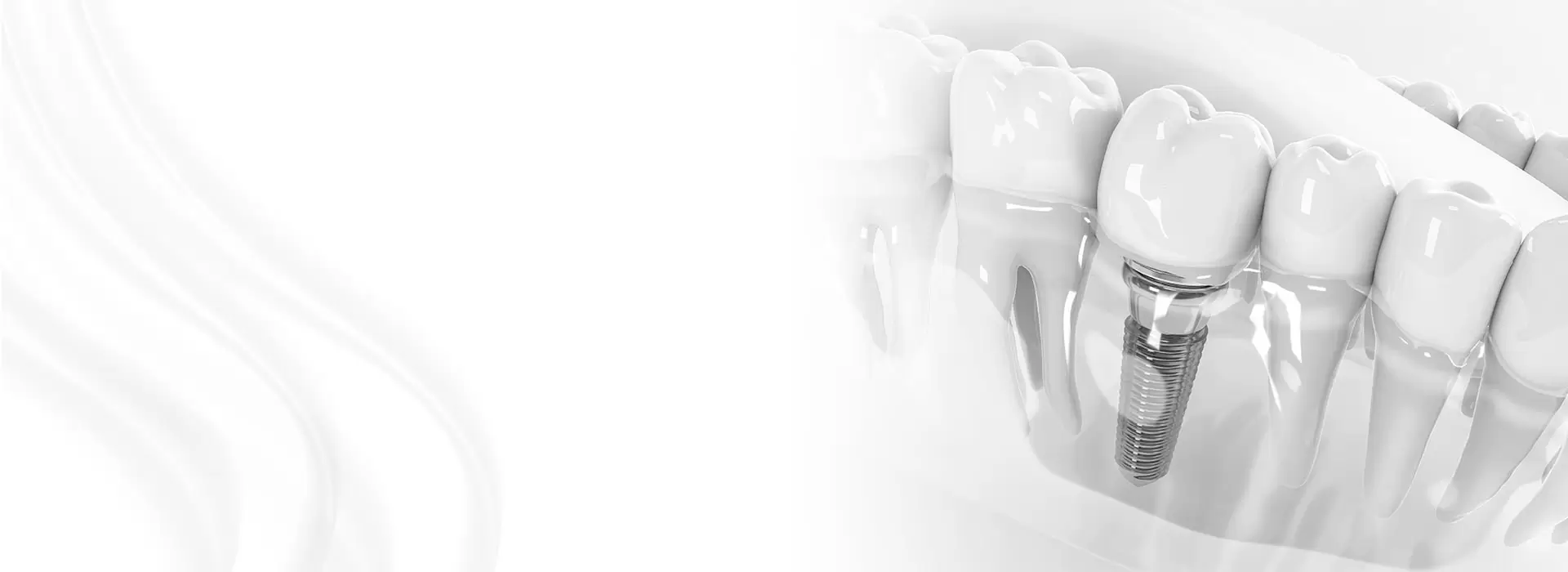
Dental implants replace the entire tooth structure, from root to crown, by anchoring a small titanium post into the jawbone. Over a period of months, the surrounding bone fuses with the post in a process known as osseointegration, creating a bond that mimics the original root. A custom-made crown, bridge, or full-arch prosthesis is then attached to the post through a connector piece called an abutment. Because the restoration is supported by bone rather than by suction, paste, or neighbouring teeth, it behaves, looks, and feels like a natural tooth. The result is a level of steadiness that conventional dentures, no matter how well-fitted, cannot replicate.
Fixed Anchoring Versus Suction and Adhesives
Removable dentures rest on the gum ridge and are held in place by a combination of suction, the shape of the bony ridge, and, in many cases, a layer of dental adhesive. Even a well-crafted plate moves during everyday activities. Chewing forces shift the base laterally, the seal under an upper plate breaks during speech, and lower dentures notoriously float around because the tongue and cheeks provide almost no retention surface. Patients often describe the sensation as chewing on a small raft.
Implant-supported restorations remove these variables entirely. A single implant acts like an artificial root, while four to six implants can anchor a complete arch. The prosthesis is screwed or clipped onto the implants, so it does not lift, rock, or drift. There is no need for adhesive, no overnight soaking, and no speech changes from a plate covering the palate. For Australians who enjoy a weekend surf at Bondi followed by a long lunch, or who travel frequently for work between Sydney, Melbourne, and Brisbane, the predictability of fixed teeth offers practical comfort that adhesive-dependent solutions struggle to match.
Protecting the Jawbone and Facial Shape
Stability is not just about how a tooth feels in the moment; it is also about what happens to the bone beneath it. When a natural tooth is lost, the jawbone in that area stops receiving the mechanical stimulation it needs to maintain its density. Over the following months and years, the ridge resorbs, gradually becoming thinner and shorter. Dentures accelerate this process because the pressure they place on the gum tissue is transmitted to the bone, which responds by remodelling itself away. The visible consequences include a sunken appearance around the cheeks, deepening lines around the mouth, and a prosthesis that fits progressively worse.
A dental implant transmits chewing force directly into the bone, much like a natural root. This load signals the bone to preserve its volume and density through normal remodelling cycles. The clinical term for this benefit is bone preservation, and it is one of the most compelling reasons Australian clinicians recommend implant solutions wherever the anatomy allows. Patients who have worn full dentures for years often notice a refreshed facial profile after implant treatment, simply because the bone beneath has stopped shrinking.
Eating, Speaking, and Living Without Hesitation
Stability has a quiet but powerful effect on quality of life. Studies of implant patients consistently report higher dietary variety than denture wearers, largely because biting force on an implant-supported crown can approach 70 to 80 percent of natural tooth function, while a conventional denture typically restores only a quarter to a third of that capacity. For Australians, this difference is felt in practical ways. Enjoying a steak at a suburban pub, biting into a crunchy apple, or tearing the crust of a fresh sourdough loaf becomes unremarkable rather than an exercise in caution.
Speech also benefits. Upper dentures cover the palate, which alters airflow and can produce a lisped or muffled sound, especially with sibilant consonants. Implant-supported bridges and full-arch prostheses leave the palate uncovered when designed appropriately, restoring natural resonance. Social situations such as presenting at a Perth conference, teaching a class in Adelaide, or simply ordering a flat white at a busy Melbourne café feel easier when there is no concern about a plate shifting mid-sentence. Many patients describe the change as gaining back a layer of self-assurance they had slowly lost.
Long-Term Value and Everyday Maintenance
The upfront cost of dental implants in Australia is higher than that of a conventional denture, and Australian private health insurers typically classify implants under major dental or complex restorative categories, which often carry waiting periods and annual limits. Despite this, the long-term value equation tends to favour implants. A well-placed implant can last decades, often a lifetime, while dentures generally need relining every few years and full replacement every five to eight as the ridge resorbs. The cumulative cost of adhesives, relines, and replacements over twenty years can approach or exceed the one-time investment in implants.
Maintenance is also simpler. Implant crowns are brushed and flossed much like natural teeth, with no special soaking routines or removal at night. Patients are advised to use a water flosser or interdental brushes around the abutments, attend regular hygiene appointments, and avoid smoking, since tobacco use is a leading risk factor for peri-implant bone loss. Australians who already follow the Australian Dental Association's twice-yearly check-up recommendation usually find implant care easy to integrate into their existing routine.
Clinical Standards and the Australian Context
Australian patients are protected by strict clinical and regulatory standards. Implant devices used by reputable practitioners carry approval from the Therapeutic Goods Administration, and practitioners are registered with the Dental Board of Australia under the Australian Health Practitioner Regulation Agency. This framework ensures that implant components meet recognised biocompatibility and performance criteria, and that clinicians meet defined educational and continuing professional development requirements.
There is, however, a significant cost gap between domestic treatment and overseas options. A single implant and crown in a major Australian city can range from roughly $4,000 to $6,500, while a full-arch restoration can exceed $25,000 per jaw. Waiting periods for major dental cover on many Australian funds can stretch to twelve months, and Medicare does not subsidise routine implant work. These realities have led a growing number of Australians to research treatment abroad, particularly in destinations such as Turkey, where modern clinics offer comparable implant systems at a fraction of the price. The Australian government's Smartraveller service encourages patients to verify practitioner credentials, sterilisation protocols, and post-operative support arrangements before booking.
Planning Treatment With TruDent Clinics
TruDent Clinics in Izmir works with Australian patients who want implant-supported solutions without the long waiting periods and high fees that often come with domestic treatment. The clinic uses internationally recognised implant systems, provides personalised treatment plans based on three-dimensional imaging, and coordinates the entire process from initial online consultation through to aftercare guidance once a patient returns home. Whether a patient requires a single implant to replace a missing molar or a full-arch restoration for long-standing denture wear, the focus remains on durable, stable outcomes that fit comfortably into a busy Australian life.
Smile restoration is a personal decision, and the right answer depends on bone health, budget, timeline, and long-term goals. Australians exploring their options can request a complimentary assessment from TruDent Clinics to review their scans, ask detailed questions about the procedure, and plan a treatment journey that aligns with their circumstances. Stable, natural-looking teeth are well within reach, and a conversation with an experienced implant team is the most reliable way to find out which path suits best.