Same-Day Crowns Versus Lab-Made Crowns: What Australians Should Know
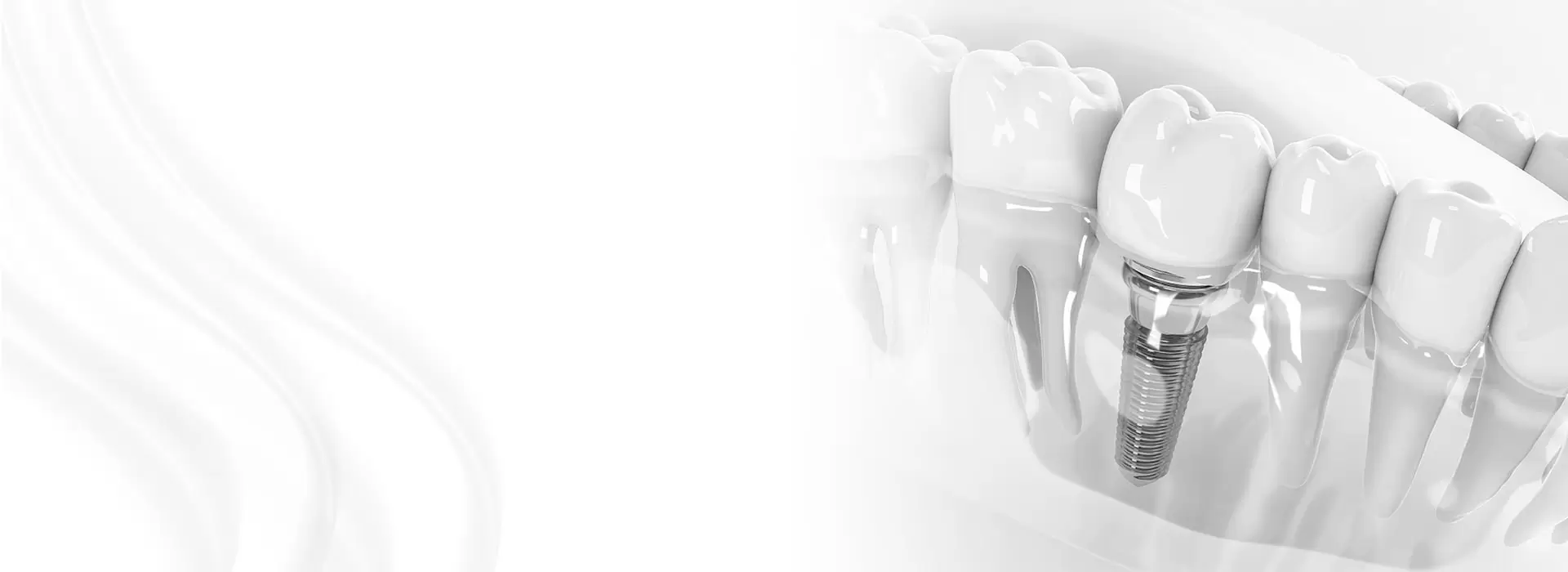
A dental crown restores a tooth that has been weakened by decay, cracks, large fillings or root canal treatment. It covers the visible part of the tooth, helping protect its structure while improving shape, colour and function. For Australian patients comparing treatment at home with care overseas, the choice between a same-day crown and a traditional laboratory-made crown can affect scheduling, cost, materials and follow-up care.
Same-day crowns are designed, milled and fitted in a dental clinic using digital scanning and computer-aided manufacturing. Traditional crowns are created by an external dental laboratory, which may use highly specialised technicians and layered ceramic techniques. Neither approach is automatically right for every tooth; the best option depends on your bite, gum health, cosmetic expectations and the amount of healthy tooth remaining.
TruDent Clinics in Izmir provides personalised restorative and cosmetic dentistry plans for patients seeking crowns, veneers, implants and general dental care. A consultation can help determine whether a chairside crown is suitable or whether a laboratory-made restoration would offer a better long-term result for your smile.
How Same-Day Crowns Work
A same-day crown usually begins with a digital intraoral scan rather than a conventional impression. The dentist assesses the tooth, removes damaged areas and creates a three-dimensional digital model. Dental design software is then used to plan the crown’s shape, contact points and bite.
The design is sent to an in-house milling unit, which carves the restoration from a ceramic or composite block. The dentist checks its fit, adjusts the colour or surface texture when needed, and bonds it to the prepared tooth. Some cases can be completed in one appointment, although a complex treatment plan may still require additional visits.
This workflow can reduce the time spent wearing a temporary crown. It may also lower the risk of a temporary restoration becoming loose while you wait for the final crown. However, same-day treatment still requires careful diagnosis, isolation and bite adjustment; speed should not replace clinical precision.
What Happens With A Laboratory-Made Crown
A lab-made crown follows a more traditional process. After preparing the tooth, the dentist takes a digital or physical impression and records the colour, bite and surrounding teeth. The information is sent to a dental laboratory, where a technician fabricates the restoration according to the dentist’s prescription.
The patient generally wears a temporary crown while the permanent one is being made. The laboratory stage may take several days or a few weeks, depending on the material, design and clinic-lab workflow. At the fitting appointment, the dentist checks the margins, contacts, appearance and bite before permanently cementing or bonding the crown.
Laboratory crowns can offer a wide range of materials and highly customised characterisation. For visible front teeth, a skilled technician may layer porcelain to reproduce translucency, subtle colour variations and natural surface details. This can be valuable when a crown must blend with several existing teeth.
The Main Advantages Of Same-Day Treatment
The clearest benefit is convenience. A patient may be able to complete tooth preparation and crown placement in one day, which is useful for people with demanding work schedules, childcare responsibilities or limited time in a city such as Sydney, Melbourne or Brisbane. It can also be helpful for international visitors who have arranged dental treatment around flights and accommodation in Izmir.
A same-day crown can reduce the number of dental appointments and avoid the waiting period associated with an external laboratory. It may suit a straightforward crown on a back tooth, especially when the priority is restoring chewing function quickly. Digital records can also be stored for future reference, making it easier to reproduce or adjust a restoration if required.
The process may be more comfortable for patients who dislike impression material. Digital scans are generally quick and do not involve trays filled with setting material. The dentist can often show the proposed crown design on a screen, allowing discussion about contour and appearance before milling begins.
Same-day dentistry does have limits. Extensive smile makeovers, multiple connected crowns, unusual bite conditions and highly demanding aesthetic cases may benefit from laboratory involvement. A crown that can technically be made in one day is not necessarily the crown that will produce the most suitable result.
Strengths Of Traditional Laboratory Crowns
Laboratory-made crowns offer extensive customisation. A dental technician can select from different ceramic systems, metals or layered combinations based on the tooth’s location and the patient’s needs. High-strength materials may be preferred for heavy biting forces, while layered ceramics can be selected for detailed cosmetic work.
The laboratory also adds a second professional perspective. The dentist plans the restoration and the technician interprets the design, photographs, shade information and digital scans. For a front tooth, this collaboration may help create more nuanced colour, translucency and texture than a standard milled block can provide.
Traditional crowns can be particularly useful when several teeth must be coordinated. A laboratory can compare multiple restorations together and make small changes to their proportions, shade and symmetry. This matters during a broader smile makeover, where the goal is a balanced appearance rather than simply repairing one damaged tooth.
The main disadvantages are time and additional appointments. A temporary crown may feel different, chip or detach before the final restoration is ready. Patients travelling from Australia may also need to remain in Turkey long enough for the laboratory stage and fitting appointment, or arrange reliable follow-up with a dentist at home.
Comparing Fit, Appearance And Longevity
Both chairside and laboratory crowns can provide good function when the tooth is properly prepared and the restoration is correctly designed, fitted and maintained. The quality of the scan, preparation, bonding protocol and bite adjustment often matters as much as whether the crown was made in the clinic or by an external laboratory.
A same-day crown may provide a natural appearance, particularly when a modern ceramic block is carefully selected and polished. Lab-made crowns can offer greater aesthetic flexibility in cases requiring layered effects or close matching with neighbouring teeth. The ideal choice depends on whether the crown is on a molar, premolar or front tooth, and how visible it is when you smile.
No crown lasts forever. Longevity can be affected by grinding, clenching, gum disease, oral hygiene, acidic drinks, hard foods and accidental trauma. Australians who regularly drink coffee, tea or wine may also want to discuss staining resistance and cleaning habits. A night guard may be recommended for people who grind their teeth.
Regular examinations and professional cleans help identify worn edges, gum inflammation or changes in the supporting tooth. A crown cannot prevent decay at its margin if plaque accumulates around it. Good brushing, interdental cleaning and prompt attention to sensitivity are important for either type of restoration.
Cost, Travel And Individual Suitability
The price of a crown varies according to the material, complexity, dentist’s experience, laboratory involvement and number of teeth treated. In Australia, crown fees differ considerably between private practices, and private health insurance extras may cover only part of the cost or impose annual limits. Adult dental care is generally not covered by Medicare, so patients should check their policy before committing to treatment.
Dental tourism can make treatment in Izmir appealing to some Australians, particularly when several procedures are needed. Travel costs, accommodation, exchange rates, airport transfers and time away from work should be included in the overall budget. A lower quoted fee does not remove the need to assess credentials, materials, sterilisation standards, treatment planning and aftercare arrangements.
Patients flying from Perth, Adelaide, Melbourne or other Australian cities should allow time for assessment and any necessary adjustments rather than arranging a tightly packed itinerary. Air travel after dental surgery may also require separate planning, especially if crowns are combined with implants, extractions or gum procedures. The clinic should explain the expected number of appointments before travel is booked.
A consultation is especially important if the tooth has an infection, insufficient structure, a deep crack or a history of root canal treatment. In some cases, a crown is not the first step. The dentist may recommend periodontal care, a core build-up, root canal treatment or another restoration before deciding between a chairside and laboratory crown.
Making A Practical Crown Decision
The right restoration is chosen by matching the treatment method to the tooth and the patient, rather than selecting the fastest option automatically. Ask how much healthy tooth remains, which material is recommended, how the crown will be secured, what temporary protection is needed and how adjustments will be handled after treatment.
Consider these practical points before proceeding:
- Choose same-day treatment when a straightforward crown, limited appointments and rapid function are the main priorities.
- Consider a laboratory-made crown when detailed shade matching, layered ceramics or multiple coordinated restorations are important.
- Confirm the total price, material, warranty terms, temporary crown arrangements and follow-up policy in writing.
- Share information about grinding, previous dental work, allergies, medications and private health insurance limits.
- Allow extra time for travel and review appointments if treatment is being completed overseas.
The dentist should explain the alternatives in plain language and show you how the proposed crown will fit into your overall bite and smile. Digital scans, clinical photographs and radiographs may all be used to support the decision. A personalised plan is more reliable than choosing based on appointment length or advertised price alone.
If you are considering same-day or laboratory-made crowns, TruDent Clinics can assess your tooth and discuss suitable restorative options in Izmir. Schedule a consultation to receive an individual treatment plan, understand the expected timeline and arrange the care your smile requires.