Digital Impressions Versus Traditional Molds For Dental Care
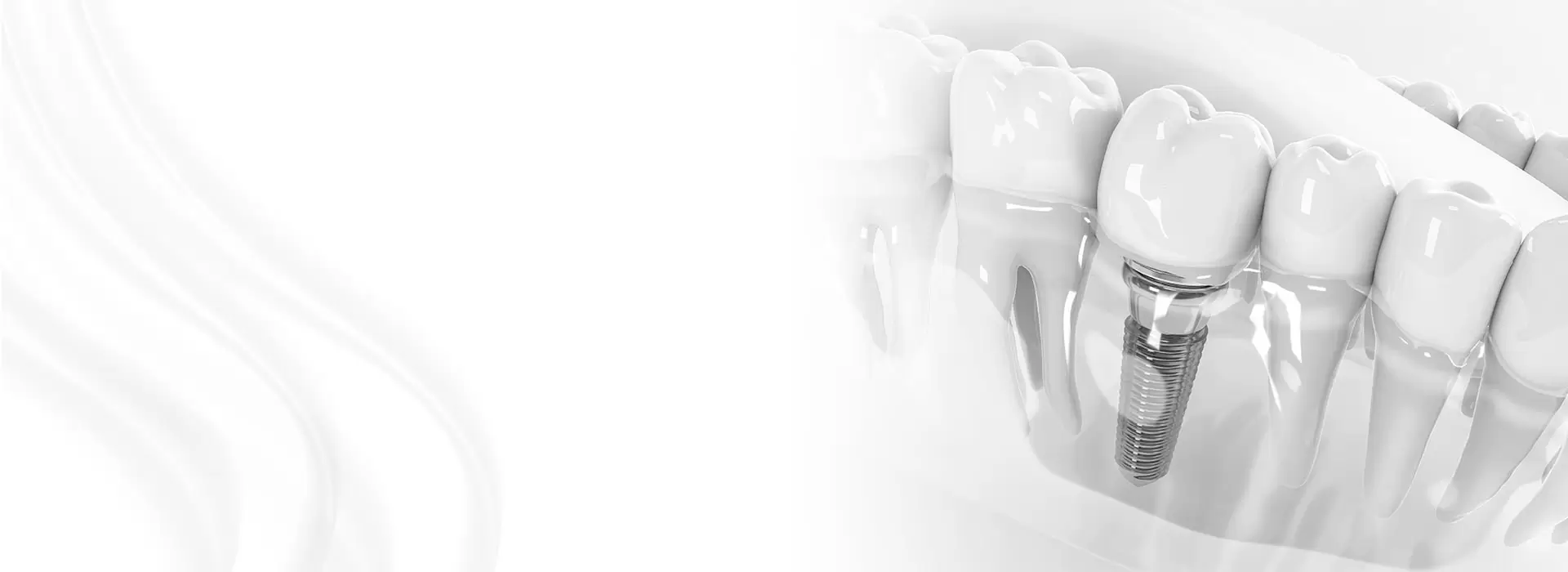
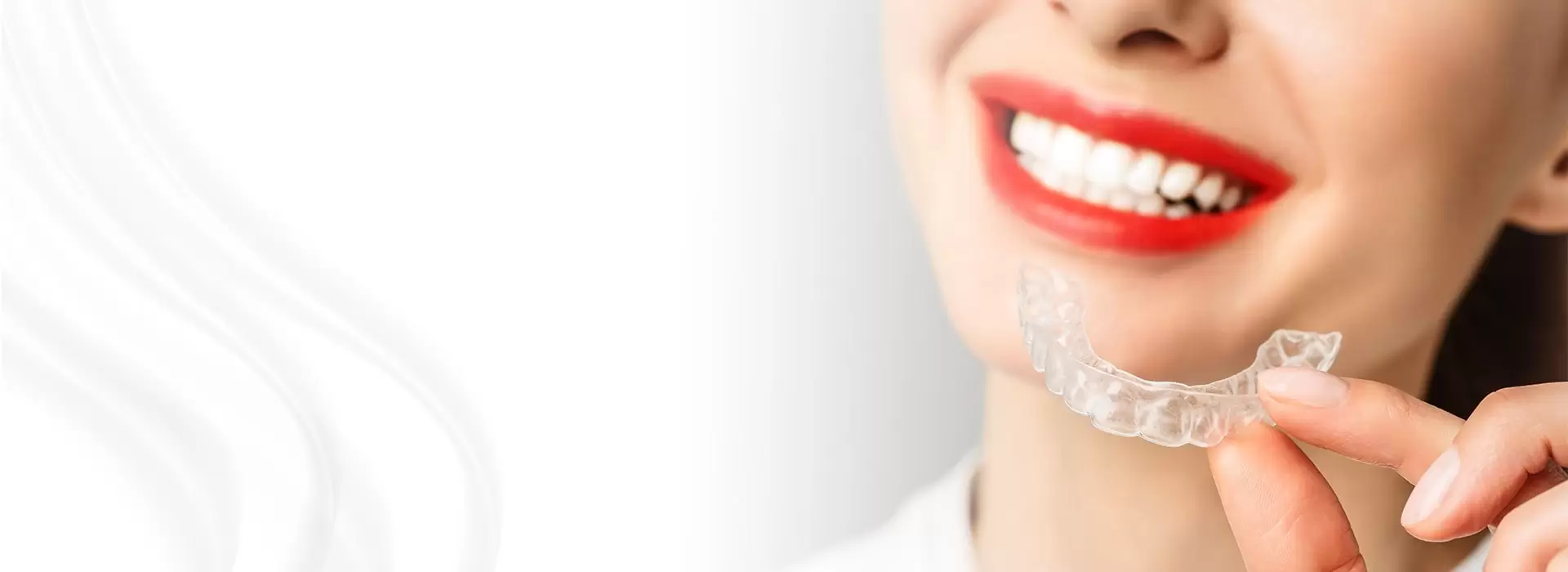
A dental impression is a detailed record of your teeth and gums, used to design crowns, veneers, aligners, night guards, dentures and other treatments. For many years, dentists created this record by placing a tray filled with impression material in the mouth. Today, intraoral scanners can capture the same information digitally, often with greater comfort and faster communication.
For Australian patients considering treatment in Turkey, the difference can matter from the first consultation through to the final fitting. Whether you are travelling from Sydney, Melbourne, Brisbane or Perth, a digital workflow may make planning easier, reduce unpleasant appointments and support a more personalised result.
How Digital Impressions Work
An intraoral scanner is a small handheld device that captures thousands of images as it moves around the teeth. Special software combines these images into a three-dimensional model of the mouth. The dentist can rotate the image, enlarge individual areas and check the bite on a screen almost immediately.
Traditional dental molds use a soft material that sets around the teeth. The patient must keep the tray still while the material hardens, which can feel bulky or trigger a gag reflex. The finished mold is then sent to a laboratory or used to create a physical plaster model.
Digital scanning is especially useful for cosmetic dentistry. Veneers, crowns, bridges and smile makeovers require careful attention to tooth shape, gum lines, proportions and the way the upper and lower teeth meet. A virtual model gives the dental team a clear reference before treatment begins.
Comfort And Patient Experience
The most noticeable benefit for many people is a more comfortable appointment. A scanner does not require a large tray filled with impression paste, and there is no setting material pressing against the palate. This can be helpful for patients with a sensitive gag reflex, dental anxiety or difficulty breathing through the nose.
The appointment may also feel more interactive. Patients can see a live image of their teeth and discuss areas that need attention. A dentist can point out worn enamel, crowding, gaps or bite concerns directly on the screen, making the treatment plan easier to understand.
This practical advantage can be valuable for Australians arranging overseas dental care. A patient who has taken annual leave, organised flights from Melbourne or planned a short stay in Izmir may prefer a streamlined appointment with fewer repeat steps. Digital records can also be stored securely and accessed for future reviews when appropriate.
Accuracy And Treatment Planning
Digital impressions can provide a highly detailed representation of the mouth, including tooth surfaces and the edges near the gums. If the scan captures an unclear area, the dentist can rescan that section immediately rather than repeating the entire mold. This helps the dental team identify issues before a restoration is manufactured.
A traditional mold can also be effective when taken correctly, but it may be affected by movement, saliva, air bubbles, tray position or material distortion. It can be uncomfortable to repeat the procedure if a section is incomplete. Digital records reduce some of these practical difficulties and give the laboratory a direct electronic file.
The right method still depends on the patient and the treatment. Digital scanning may be less straightforward when there is heavy bleeding, limited mouth opening, deep gum pockets or a highly reflective restoration. An experienced dentist will choose the technique that produces the most dependable information in that situation.
| Feature |
Digital Impression |
Traditional Mold |
| Patient comfort |
Usually easier to tolerate, with no impression paste |
May feel bulky and can trigger gagging |
| Correction of errors |
Specific areas can be rescanned immediately |
A new mold may be needed |
| Patient communication |
3D images can be viewed during the appointment |
Usually requires a separate model or explanation |
| Laboratory transfer |
Sent electronically to the dental laboratory |
Physically packaged and transported |
| Storage |
Kept as a digital file for future planning |
Physical model requires storage space |
| Best use |
Many crowns, veneers, aligners and implant workflows |
Useful in selected cases and where scanning is unsuitable |
Faster Communication And Better Collaboration
A digital impression can be transferred to the dental laboratory in seconds. This removes the need to package and courier a physical mold, which can help shorten communication times between the clinic and technicians. If a laboratory needs clarification, the dentist can review the same digital file and discuss the issue more efficiently.
Digital files can also support staged treatment. For example, a patient receiving veneers may have a scan taken before preparation, during the provisional stage and after the final restorations are fitted. These records allow the team to compare changes in tooth position, shape and bite throughout the process.
The technology is also useful for clear aligners. The scan can be combined with photographs, X-rays and clinical notes to plan tooth movements. Patients may be able to view a simulation of the proposed result, although a digital preview is a planning aid rather than a guarantee of the exact final appearance.
For people comparing clinics, it is worth checking how the scan is used rather than assuming the equipment alone determines quality. A personalised dental consultation should include an examination, relevant imaging, discussion of your goals and an explanation of the proposed treatment sequence.
Choosing The Right Impression Method
Digital impressions are often a strong choice for crowns, bridges, veneers, implant restorations, orthodontic aligners and protective mouthguards. They can make the process more convenient while giving patients a clearer view of the proposed work. However, the dentist should still assess gum health, tooth structure, bite function and any existing restorations before recommending treatment.
Traditional molds remain relevant. They may be useful for certain full-arch cases, removable appliances or situations where moisture control and access make optical scanning difficult. The most appropriate option is based on clinical conditions, the laboratory workflow and the type of restoration being designed.
Patients travelling from Australia should also consider practical details beyond the scan itself. Dental treatment is generally not covered by Medicare for adults, while private health insurance extras may have waiting periods, annual limits or restricted overseas benefits. Before booking, check your policy and ask the clinic for a written estimate in the relevant currency.
Questions to discuss with the clinic
- Which scanning system will be used for the proposed treatment?
- Will digital images, photographs and X-rays be reviewed together?
- How many appointments are expected during the trip?
- What happens if a restoration needs adjustment after you return to Australia?
Things to prepare before travelling
- Bring details of current medications, allergies and dental history.
- Allow time for a proper examination before any irreversible treatment.
- Ask about temporary restorations, follow-up care and emergency contact arrangements.
- Confirm inclusions, exclusions, payment terms and laboratory fees in writing.
The quality of the final result depends on more than whether a digital scanner is used. Diagnosis, tooth preparation, shade selection, bite analysis, laboratory craftsmanship and aftercare all play important roles. A scan is a valuable tool, but it works best as part of a coordinated treatment plan.
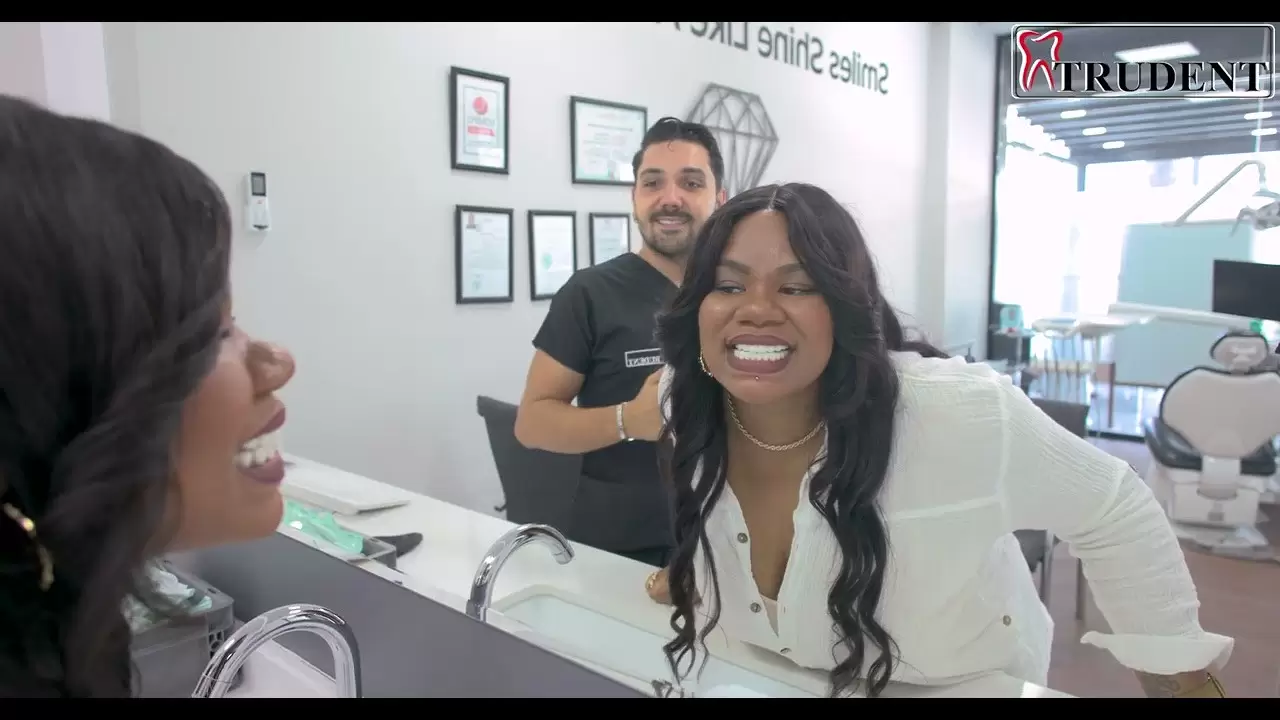
For many Australian patients, digital impressions offer a more comfortable experience, quicker data transfer and clearer involvement in treatment decisions. Contact TruDent Clinics to arrange a consultation in Izmir, discuss your dental goals and find out whether a digital impression is suitable for your planned care.