Replacing A Failed Dental Implant: Treatment Options
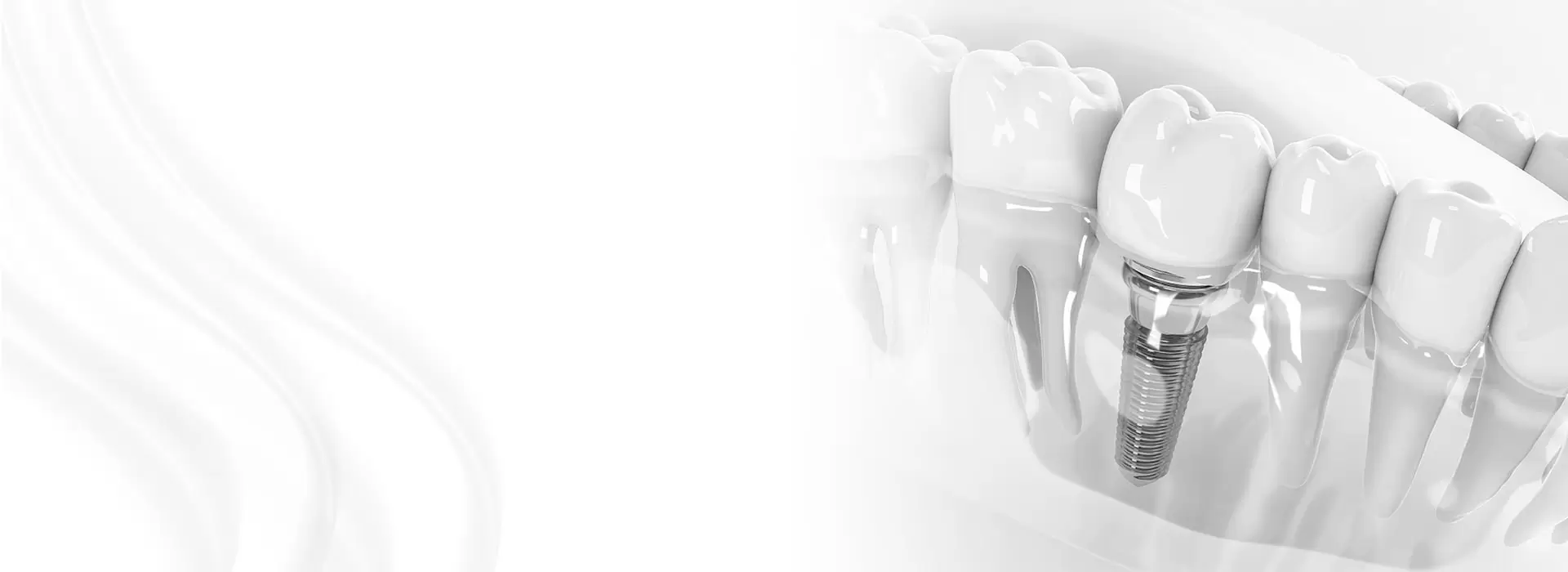
A dental implant can fail for several reasons, including infection around the implant, insufficient bone integration, excessive biting pressure, poor oral hygiene, smoking, or a problem with the implant position. Failure may happen early, before the implant bonds securely with the jawbone, or later after the crown has been in place for years.
Signs can include movement, pain, swelling, bleeding, pus, a bad taste, gum recession, or difficulty chewing. Some failing implants cause little discomfort, so a routine examination and dental imaging are important when the area feels different or the restoration becomes loose.
For Australian patients, treatment may involve seeing a local dentist first and then arranging specialist care overseas, particularly when comparing private dental fees in Sydney, Melbourne, Brisbane, Perth, or regional areas. A thorough assessment helps determine whether the implant can be preserved or should be removed and replaced.
TruDent Clinics in Izmir provides implant assessment, restorative dentistry, bone grafting, crowns, bridges, and personalised treatment planning. The appropriate solution depends on the condition of the implant, the surrounding tissues, your general health, and the type of result you want to achieve.
Assessing Why The Implant Failed
The first step is identifying the cause rather than immediately placing another implant. A dentist may examine the gums, check whether the implant moves, review your bite, and take a panoramic X-ray or 3D CBCT scan. These images can show bone loss, infection, proximity to nerves or sinuses, and the available space for a new restoration.
Peri-implantitis is an infection and inflammatory condition affecting the tissues around an implant. When caught early, professional cleaning, improved home care, bite adjustment, and other treatments may help control it. However, advanced bone loss or significant mobility often means the implant cannot be reliably saved.
A failed implant can also be linked to an unsuitable crown, incorrect loading, teeth grinding, uncontrolled diabetes, smoking, or inadequate healing time. These factors need attention before replacement. Australian patients should also provide their dentist with a complete medical history and details of previous treatment, including implant brand information where available.
Keeping The Existing Implant When Possible
If the implant itself is stable and the problem mainly affects the crown, abutment, or surrounding gum, the restoration may be repaired or replaced without removing the implant. A loose screw, chipped crown, or poor bite can sometimes be corrected through tightening, replacement components, occlusal adjustment, or a new crown.
When there is early inflammation around a stable implant, treatment may include professional debridement, antiseptic care, improved brushing and interdental cleaning, and regular maintenance visits. In selected cases, the dentist may recommend a minor surgical procedure to access and clean the contaminated surface or improve the gum contour.
Preserving an implant is not suitable when it is mobile or has extensive bone loss. Attempting to keep a failing fixture can allow infection to progress and may reduce the bone available for future treatment. A careful review of the scan and clinical findings is more reliable than deciding based on symptoms alone.
Removing And Replacing The Implant
When an implant has failed to integrate or has become unstable, removal is generally required. A dentist can often remove a loose implant with a conservative technique, but a more firmly integrated fixture may need a minor surgical procedure. The surrounding infected or damaged tissue is cleaned at the same time.
A replacement implant may sometimes be placed during the same appointment, but immediate replacement is only appropriate when infection is controlled, the socket can provide stability, and enough healthy bone remains. In many cases, the area needs time to heal before another fixture is considered. This period can last several weeks or months, depending on the extent of damage.
Bone grafting may be recommended if the jaw has lost volume. Options can include particulate graft material, a membrane-guided procedure, a block graft, or a sinus lift for implants in the upper back jaw. The dentist will explain whether grafting can occur during removal or should be completed as a separate stage.
Alternatives To A Second Implant
A replacement implant is not the only way to restore a missing tooth. A fixed dental bridge can use neighbouring teeth for support, while a removable partial denture can replace one or more teeth and may be more suitable when surgery is not preferred. The choice depends on the health of adjacent teeth, bite forces, appearance, maintenance, and budget.
Some patients choose a bridge because it can be completed faster than a staged implant procedure. Others prefer an implant-supported bridge or overdenture when several teeth are missing. For people with substantial bone loss, advanced solutions such as angled implants or, in carefully selected cases, zygomatic implants may be discussed by an appropriately trained implant team.
Treatment should be planned around long-term function rather than speed alone. A bridge may require preparation of otherwise healthy teeth, while a removable denture needs regular adjustment as the gums and bone change. Your dentist should outline the expected lifespan, maintenance requirements, risks, and repair options for each alternative.
Treatment Choices At A Glance
The most suitable pathway depends on whether the implant is stable, whether infection is active, and how much bone remains. A staged approach can take longer, but it may create healthier conditions for a predictable result.
- Repair or replace the crown if the implant is stable
- Treat early inflammation with cleaning and maintenance
- Remove the implant and allow the area to heal
- Replace the tooth with a bridge or removable denture
Australian patients should request a written treatment plan that separates surgical, restorative, imaging, medication, and follow-up costs. Private health insurance extras may contribute to some dental services, but benefits, annual limits, waiting periods, and implant exclusions vary widely between policies. Medicare generally does not cover routine adult dental treatment, so confirm funding arrangements before committing to care.
If treatment is planned in Izmir, include flights, accommodation, local transport, recovery time, and the cost of possible additional visits in the overall budget. A low advertised price may not include bone grafting, temporary teeth, sedation, or management of complications. The clinic should also explain how records and follow-up communication will be handled after you return to Australia.
Planning Safe Care In Turkey And Australia
Dental practitioners working in Australia are regulated through the Dental Board of Australia and the Australian Health Practitioner Regulation Agency. This framework does not automatically apply to treatment performed overseas. For that reason, Australian patients should check the treating dentist’s qualifications, implant experience, facility standards, sterilisation procedures, emergency arrangements, and the manufacturer of the proposed implant system.
The Therapeutic Goods Administration regulates many medical devices supplied in Australia, but an overseas clinic may use products that are not readily available through Australian dentists. Ask for the implant passport, product labels, serial numbers, radiographs, and a detailed operative report. These records can help an Australian dentist identify compatible components and provide continuing care.
Travel soon after oral surgery can be uncomfortable and may make it difficult to manage swelling, bleeding, or an unexpected infection. Build in adequate recovery time and arrange a local Australian dentist before treatment if possible. Normal habits such as drinking coffee, consuming acidic beverages, smoking, or grinding teeth at night may also affect healing and should be discussed honestly with the dental team.
Before proceeding, clarify whether the quoted fee includes assessment, CBCT imaging, extraction, grafting, temporary teeth, the final crown, medication, and review appointments. You should also understand the clinic’s policy if an implant does not integrate and what support is available once you are back in Australia.
Questions To Ask Before Treatment
A detailed consultation can prevent misunderstandings and help compare treatment plans from an Australian provider and an overseas clinic. Take recent X-rays and medical information to appointments, and ask for explanations in plain English.
- Why did the original implant fail?
- Can it be treated without removal?
- Is bone grafting or a sinus lift required?
- What happens if the replacement implant fails?
The plan should include an expected timeline from removal to the final crown or alternative restoration. It should also identify who will provide reviews, how urgent problems will be handled, and what fees may arise if the treatment changes. A second opinion is particularly valuable when the proposed surgery is extensive or the diagnosis is uncertain.
Do not delay assessment if you have facial swelling, fever, pus, severe pain, difficulty swallowing, or a rapidly loosening implant. Urgent dental care may be needed before arranging elective replacement or international travel.
A failed implant does not mean that tooth replacement is impossible. With the right diagnosis, options may include stabilising the existing restoration, removing the implant and rebuilding the site, placing a new implant after healing, or selecting a bridge or denture. Contact TruDent Clinics in Izmir to arrange a personalised consultation, review your scans, and receive a clear treatment plan suited to your dental needs and travel arrangements.