What Are the Risks of Dental Implants?
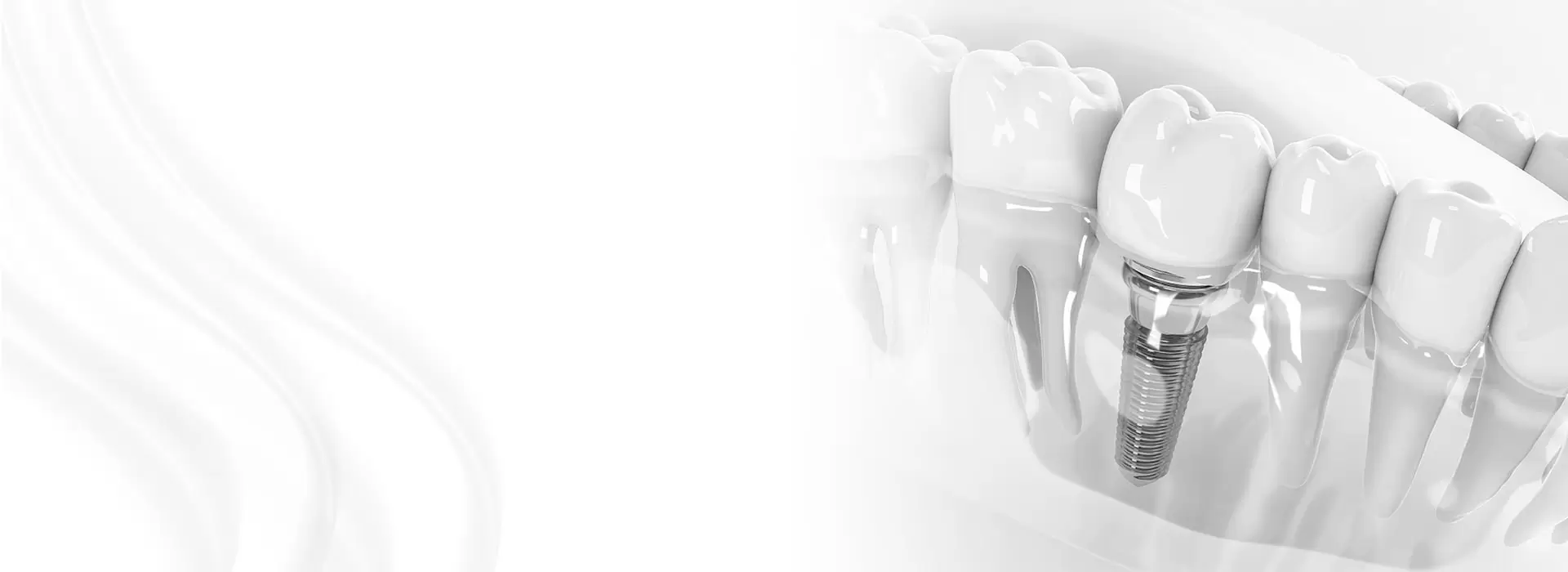
Dental implants are a reliable way to replace missing teeth, restore chewing function, and support a natural-looking smile. They consist of a small titanium or ceramic implant placed in the jawbone, an abutment that connects the components, and a crown, bridge, or denture fitted on top. Like any surgical treatment, implant dentistry carries potential risks.
Most complications are uncommon when treatment is carefully planned and performed by an experienced dental team. However, patients should understand the possible side effects, healing concerns, and long-term issues before agreeing to implant surgery. A detailed examination helps identify personal risk factors and establish whether an implant is suitable.
The condition of the gums, jawbone, general health, oral hygiene, and smoking habits can all affect the outcome. At TruDent Clinics in Izmir, each patient can receive an individualized assessment and treatment plan based on their dental needs, medical history, and aesthetic goals.
Surgical Risks During Implant Placement
Dental implant surgery may cause temporary swelling, bruising, tenderness, or mild bleeding. These effects usually improve over several days and can often be managed with the aftercare instructions and medication provided by the dentist. Some patients also experience restricted mouth opening or discomfort while chewing during the early healing period.
Infection is a possible complication after implant placement. Bacteria can enter the surgical area if oral hygiene is poor or if aftercare instructions are not followed. Persistent pain, increasing swelling, pus, fever, or a bad taste may indicate infection and should be assessed promptly by a dental professional.
The implant must be placed with care to avoid nearby anatomical structures. In the lower jaw, these include nerves that supply sensation to the lip, chin, or tongue. In the upper jaw, the sinus cavity may be close to the proposed implant site. Advanced imaging, such as three-dimensional scans, helps the dentist evaluate these structures before surgery.
Implant Failure And Osseointegration Problems
A successful implant needs to bond with the surrounding jawbone through a process called osseointegration. If the implant remains loose, painful, or mobile instead of becoming stable, it may fail to integrate. In such cases, the implant may need to be removed and the area allowed to heal before another attempt is considered.
Early implant failure can be linked to infection, insufficient bone quality, excessive movement during healing, uncontrolled health conditions, or smoking. Excessive pressure on a new implant can also interfere with the bonding process. Patients may need to follow a soft-food plan temporarily and avoid chewing directly on the surgical site.
Late failure can happen months or years after treatment. It is often associated with inflammation around the implant, excessive biting forces, poor oral hygiene, or damage to the restoration. Regular dental reviews make it easier to identify changes before they become serious.
Gum Disease And Peri-Implantitis
Peri-implantitis is an inflammatory condition affecting the tissues and bone around a dental implant. It may cause redness, bleeding during brushing, swelling, bad breath, discomfort, or gradual bone loss. Without treatment, the implant can become unstable.
A milder form, called peri-implant mucositis, affects the soft tissue without significant bone loss. Early management may include professional cleaning, improved home care, and monitoring. When inflammation has progressed, treatment may involve deeper cleaning, medication, bite adjustment, or additional surgical procedures.
A history of gum disease can increase the likelihood of implant complications, particularly if periodontal health is not controlled before surgery. Patients with natural teeth should continue treating gum problems and cleaning around the implant carefully. Implant-supported teeth still require daily brushing, interdental cleaning, and professional maintenance.
Nerve, Sinus, And Bone-Related Complications
Nerve irritation or injury is a rare but important risk, particularly when implants are placed in the lower jaw. It may produce numbness, tingling, burning, or altered sensation in the lower lip, chin, or tongue. In many cases, temporary symptoms improve as the tissues heal, although persistent changes require specialist assessment.
Implants in the upper back jaw may be close to the maxillary sinus. If an implant extends into the sinus or the area becomes inflamed, a patient may experience sinus pressure, congestion, or discomfort. A sinus lift or bone graft may be recommended when the available bone height is insufficient.
Jawbone loss can result from long-term tooth loss, advanced gum disease, trauma, or previous infection. If there is not enough bone to support an implant securely, bone grafting or guided bone regeneration may be needed first. These procedures can make treatment longer, but they may improve stability and implant placement options.
| Potential risk |
Possible signs |
Factors that may increase risk |
Typical response |
| Infection |
Increasing pain, swelling, fever, discharge |
Poor hygiene, untreated disease, smoking |
Dental review, cleaning, and prescribed treatment |
| Failure to integrate |
Implant movement or persistent discomfort |
Bone deficiency, overload, smoking, health conditions |
Monitoring, removal if necessary, later replacement |
| Peri-implantitis |
Bleeding, redness, bone loss, bad breath |
Previous gum disease, plaque buildup, irregular checkups |
Professional maintenance and targeted treatment |
| Nerve irritation |
Numbness, tingling, altered sensation |
Implant close to a nerve |
Imaging, observation, or specialist care |
| Sinus complication |
Congestion, pressure, sinus discomfort |
Limited upper-jaw bone, sinus proximity |
Assessment and possible sinus treatment |
| Restoration damage |
Chipping, looseness, bite discomfort |
Teeth grinding, hard foods, bite imbalance |
Repair, replacement, or protective night guard |
Health Factors That Affect Implant Safety
Certain medical conditions can influence wound healing and the stability of an implant. Poorly controlled diabetes, immune system disorders, osteoporosis treatment, a history of radiation therapy, and some medications may require additional assessment. These factors do not automatically rule out implant treatment, but the dentist may need medical information or coordination with the patient’s doctor.
Smoking and tobacco use are strongly associated with slower healing, reduced blood flow, increased infection risk, and a greater chance of implant failure. Stopping before surgery and remaining tobacco-free during healing can improve the likelihood of success. Patients should discuss vaping, nicotine products, and alcohol use honestly during their consultation.
Teeth grinding and jaw clenching can place excessive force on an implant crown or the supporting bone. A custom night guard may help protect the restoration where bruxism is present. A dentist may also recommend treating active decay, gum disease, or an uneven bite before beginning implant surgery.
How Patients Can Reduce Complications
Good preparation and consistent maintenance significantly influence the long-term outcome of implant treatment. Patients should provide a complete medical and dental history, disclose all medications, and follow instructions about eating, cleaning, and prescribed medication before and after the procedure.
A comprehensive implant assessment commonly includes a clinical examination, gum evaluation, bite analysis, and dental imaging. This information allows the dentist to assess bone volume, locate nerves and sinuses, and determine whether preliminary treatments are required. Careful planning is particularly important when several teeth are missing or a full smile restoration is being considered.
Practical steps that support healing and implant longevity include:
- Maintain gentle but thorough oral hygiene as directed by the dental team.
- Avoid smoking and nicotine products during the healing period.
- Choose softer foods initially and avoid chewing hard items on the treated side.
- Attend follow-up appointments so healing and implant stability can be checked.
- Use interdental brushes, floss designed for implants, or other recommended cleaning aids.
- Report persistent pain, swelling, bleeding, looseness, or numbness without delay.
Choosing A Safe And Suitable Treatment Plan
Dental implants are not the right solution for every patient or every missing tooth. Alternatives may include a fixed dental bridge, removable denture, orthodontic treatment, or a combination of procedures. The best option depends on oral health, bone condition, budget, timing, aesthetic priorities, and long-term expectations.
A qualified dental team should explain the proposed implant system, surgical stages, expected healing time, restoration options, possible complications, and maintenance requirements. Patients should also understand whether bone grafting, sinus augmentation, temporary teeth, or multiple appointments may be needed.
At TruDent Clinics, implant planning can be tailored to the patient’s individual anatomy and smile goals. The consultation may also consider related treatments, such as gum care, crowns, veneers, whitening, or bite management, when these contribute to a balanced and functional result. Clear communication helps patients make an informed decision rather than choosing treatment based on appearance alone.
Arrange A Personalized Assessment
If you are considering dental implants in Izmir, a professional examination is the safest starting point. TruDent Clinics can assess your teeth, gums, jawbone, medical history, and cosmetic expectations before recommending a suitable treatment pathway.
Schedule a consultation to discuss the benefits, limitations, potential risks, and alternatives for your situation. A personalized plan can help you approach implant treatment with realistic expectations and appropriate support at every stage.