DIY teeth whitening: kit risks versus professional care
Many Australians encounter over-the-counter whitening strips, charcoal powders, LED trays and “instant” gels through pharmacies, beauty websites and online marketplaces. The appeal is obvious: lower upfront cost, home convenience and a shade change before a wedding, interview or holiday. Teeth whitening can be effective, but the strongest results usually depend more on a suitable product and careful clinical planning than on how quickly a kit promises to work.
The risks of DIY teeth whitening kits compared to professional treatment are easiest to understand by looking at peroxide concentration, contact time, tray fit and existing dental health. A bargain gel and a dentist-prescribed treatment may share an ingredient while behaving very differently. Differences in enamel, gum condition, restorations and sensitivity also mean that a kit which suits one person can aggravate another.
Why home whitening kits are popular
Demand is particularly visible in Australia’s big cities: Melbourne’s café culture and Sydney’s social-media-driven beauty market have helped make an even smile a common pre-event goal. Kits sold to customers from Brisbane, Adelaide and Perth often compete mainly on price and dramatic before-and-after images.
Convenience also shapes purchasing. A ready-made tray can be used at home, while professional care may require a consultation, custom trays or several clinic visits. Neither approach should rely on a universal promise because stain type, natural tooth colour and desired results vary widely.
Where DIY whitening can go wrong
Permanent stains from coffee, tea, tobacco and some foods respond to peroxide, which oxidises coloured molecules within enamel and dentine. The trade-off is dose: hydrogen peroxide or carbamide peroxide used at a high concentration, left on too long or reapplied excessively can cause sharp “zing,” lingering sensitivity and sore, swollen gums. Repeated irritation may affect the tooth nerve in uncommon cases.
A generic tray adds mechanical risks. Ill-fitting mouthpieces can rub or ulcer the gums, while forceful brushing and abrasive charcoal powders can wear enamel and expose sensitive dentine. LED lights do not cancel those risks, and some kits rely on the light rather than an effective active ingredient.
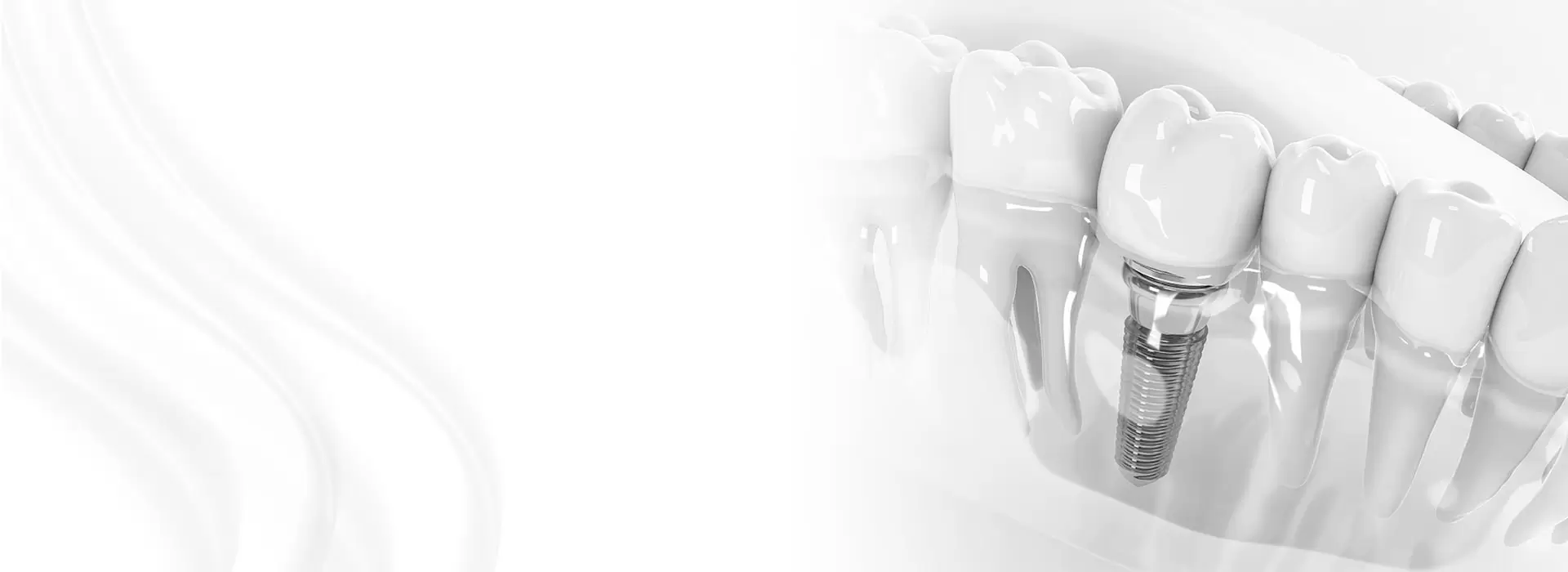
Whitening also behaves differently around existing dental work. Fillings, crowns, veneers and bonded restorations do not whiten, so untreated enamel can become visibly brighter beside old dental work and create an uneven shade. Cavities, cracked teeth, receding gums, exposed roots and active gum disease need assessment before any bleaching, whether at home or in a clinic.
DIY kits and professional whitening side by side
The side-by-side differences are most useful when viewed as a decision about control and support, rather than simply a contest between cheap and expensive products. A ready-made product offers convenience; professional supervision adds screening, dose control and a plan for problems that appear during treatment.
| Factor |
DIY whitening kit |
Professionally supervised whitening |
| Product choice |
One fixed formula for a wide range of users |
Formula and concentration selected after an oral assessment |
| Application |
Standard trays or strips used for a stated time |
Custom trays or clinician-applied gel with controlled exposure |
| Gum and enamel protection |
Depends on the product and user technique |
Barriers, careful placement and guidance reduce avoidable injury |
| Dental health check |
Often limited to a questionnaire or none |
Examination for decay, gum disease, cracks, recession and restorations |
| Existing crowns or veneers |
Do not whiten; a shade mismatch may become obvious |
Treatment can be sequenced around new or replacement restorations |
| Support |
Retailer guidance and consumer reviews |
Clinical follow-up and advice on sensitivity or stopping treatment |
The practical distinction is that “professional” does not automatically mean a fast in-chair appointment. A dentist may prescribe a custom take-home kit for gradual whitening, which can suit people who prefer home use but still need product selection and monitoring. For urgent events, chairside treatment may be faster, although temporary sensitivity can be more noticeable and the final shade still depends on the underlying enamel.
Warning signs and consultation questions
A home kit should be stopped, rather than pushed through, if symptoms suggest tissue injury or significant pulpal irritation. Early dental review can distinguish a temporary ache from damage that needs prompt care.
Signs to act on promptly:
- Sharp pain in one tooth during or after whitening
- Bleeding, swelling or a burned feeling in the gums
- Sensitivity to hot or cold that persists for more than a day or two
- A tooth that becomes darker, cracks or feels distinctly different
A product review is also less useful than a consultation when there are existing repairs, sensitivity or a planned smile makeover. These details can alter both the whitening method and whether whitening is appropriate at all.
Details to confirm before treatment:
- The active ingredient, concentration and recommended contact time
- Any cavities, gum inflammation, recession or exposed root surfaces
- Which fillings, crowns or veneers are already present
- The intended shade and how long results are expected to last
What professional treatment can change
A professional consultation begins with the cause of the discoloration and the health of the mouth. Soft-tissue checks, examination of cracks and review of medicines or habits can identify reasons to delay treatment. Some stains are better managed by replacing a dark filling, and some people will gain more from improving their oral health than from a brighter shade.
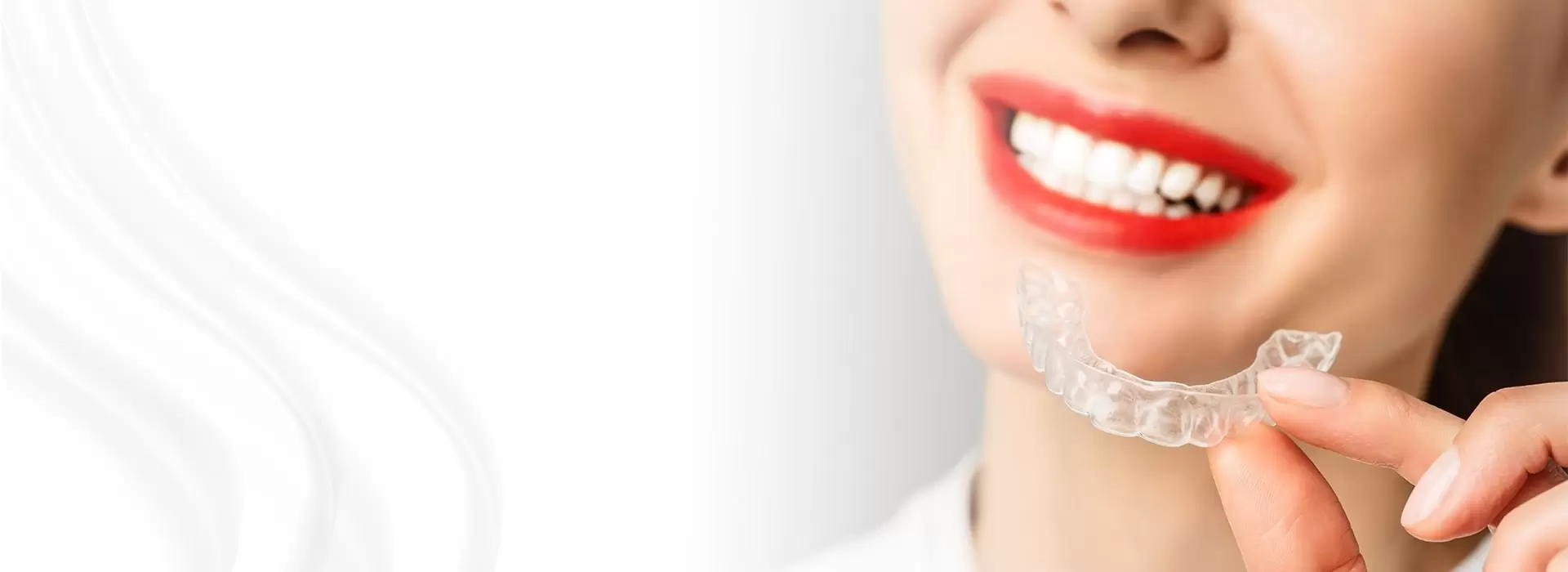
Professional care also allows the delivery method to fit the person. Custom-fitted trays can hold a controlled amount of gel against the teeth and reduce unnecessary contact with the gums. Dentist-supervised home kits offer gradual improvement, while in-office whitening uses carefully isolated and timed applications. Neither route is risk-free, but both allow the clinician to adjust or stop treatment if sensitivity develops.
Expectations and maintenance matter. No whitening process permanently changes the colour of crowns, veneers or fillings, and natural teeth can stain again after frequent coffee, tea or red wine. When restorative work is planned, whitening may occur first so ceramic shades can be matched; existing restorations may need replacement after the natural teeth brighten.
Australian rules, shopping and overseas dental care
Australian guidance treats teeth whitening as a dental procedure, so appropriately registered dental professionals should perform or prescribe it under the rules applying in each state or territory. Patients can check a dentist with the relevant dental board and ask who will actually provide the treatment. The Australian Consumer Law also matters: claims such as “seven shades in one session” must be supported, and the ACCC can act against misleading advertising.
Online buying adds another layer. Low-value goods purchased through compliant overseas marketplaces may attract GST, while couriers may apply their own delays or restrictions. Buyers should check the seller, ingredient list, expiry date and Australian warnings rather than assuming a polished social-media advert represents a regulated product.
For Australians planning treatment in Izmir, sequencing is especially important. TruDent Clinics in Izmir provides whitening, veneers, crowns, aligners, implants, general and emergency dental care, with personalised plans rather than a one-size-fits-all package. Its patient information explains consultation preparation and treatment options, helping visitors understand what to bring, how treatment is coordinated and where to seek help if a symptom develops after returning to Australia.
Plan your next step with confidence
A safe whitening decision starts with an oral assessment, not another online sale. Depending on your teeth and goals, a clinician may recommend a supervised home kit, chairside treatment, restorative work first, or no bleaching at all. Clear consent, a realistic shade target and written aftercare advice make the process easier to manage and reduce the chance of repeating costly mistakes.
Schedule a consultation with TruDent Clinics before purchasing an over-the-counter kit. Whether you are in Izmir already or planning a dental trip, request a personalised whitening plan that accounts for enamel, gums, existing dental work and emergency support.