What Happens During a Smile Makeover Consultation?
A smile makeover consultation is the first step toward understanding how cosmetic and restorative dental treatments can work together to improve your smile. Rather than selecting a procedure immediately, you meet with a dental team to discuss your concerns, examine your oral health, and explore options suited to your facial features, lifestyle, and goals.
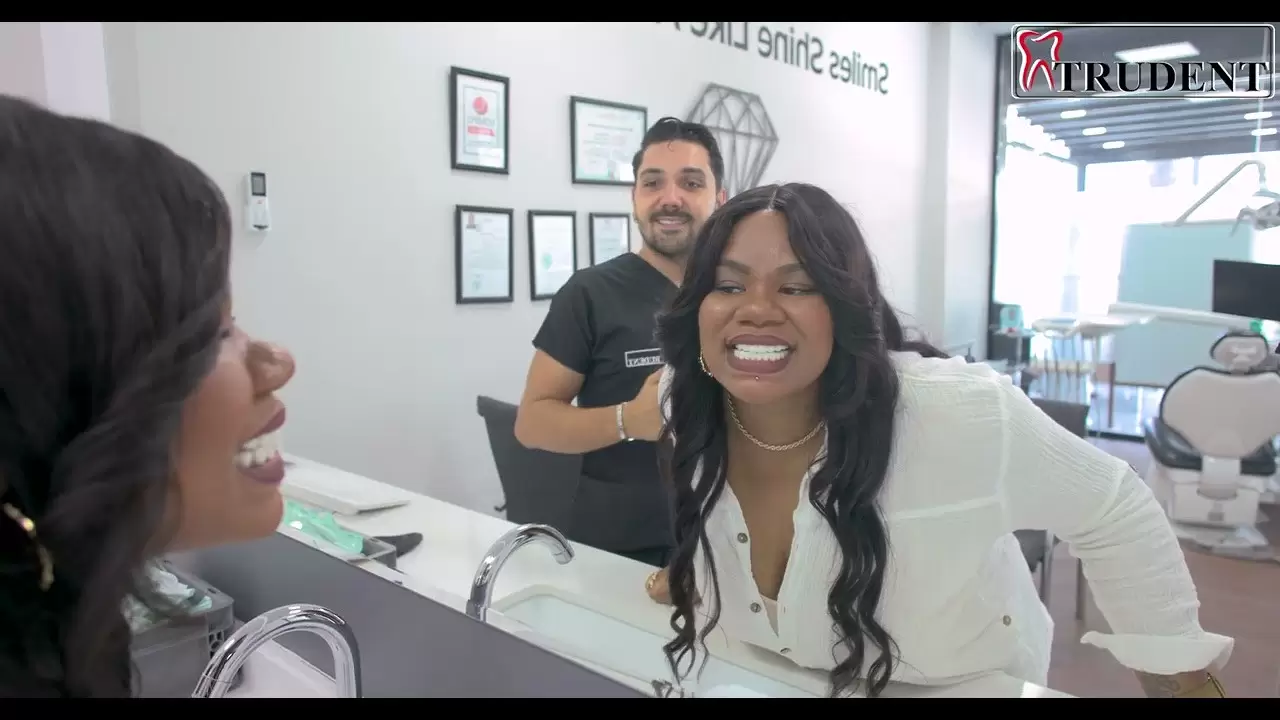
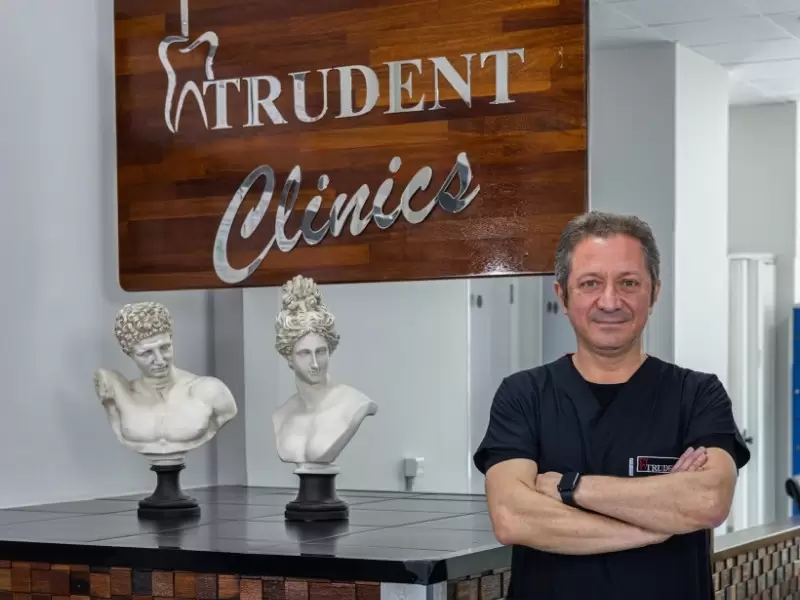
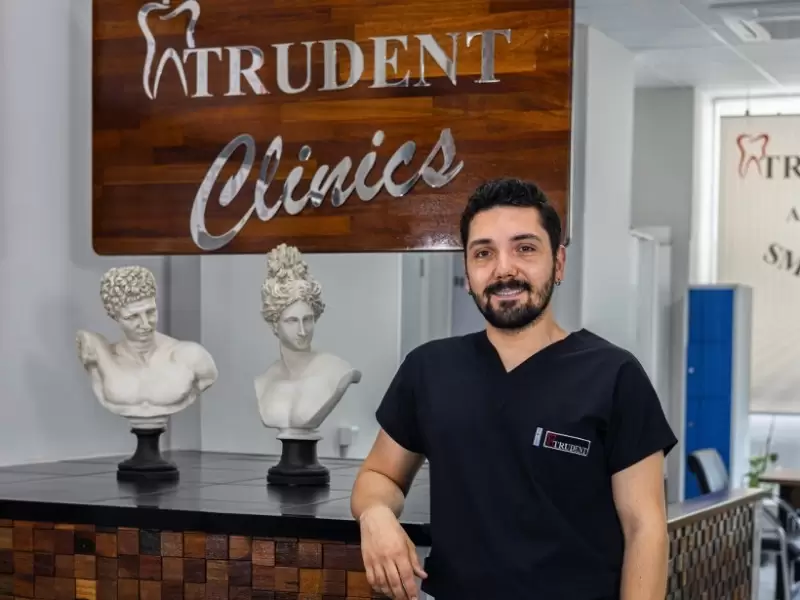
At TruDent Clinics in Izmir, Turkey, the process is designed around personalized treatment planning. Depending on your needs, the consultation may involve cosmetic dentistry, general dental care, or a combination of treatments such as veneers, crowns, teeth whitening, invisible aligners, and dental implants.
The appointment is also an opportunity to ask practical questions about treatment stages, expected results, maintenance, timing, and costs. A clear discussion at the beginning helps ensure that any recommended smile design is realistic, comfortable, and aligned with your expectations.
Discussing Your Smile Goals
The consultation usually begins with a conversation about what you would like to change. Some patients want a brighter smile, while others are concerned about chipped teeth, uneven tooth length, gaps, crowding, worn enamel, or missing teeth. You may also want to understand why you feel hesitant to smile in photographs or social situations.
Your dentist may ask whether you prefer a subtle enhancement or a more noticeable transformation. Details such as your preferred shade, tooth shape, facial proportions, and willingness to maintain a particular result can influence the treatment plan. Sharing photographs of smiles you like may help explain your expectations, although the final design must be adapted to your natural features.
A consultation should be collaborative rather than rushed. The aim is to understand the appearance you want while identifying what is clinically appropriate. If your expectations and the available treatment options differ, your dentist can explain the reasons and suggest safer alternatives.
Examining Your Oral Health
Before planning cosmetic treatment, the dentist needs to assess the health of your teeth, gums, jaw, and bite. A visual examination may identify cavities, gum inflammation, enamel wear, cracks, old restorations, tooth sensitivity, or signs of grinding. These concerns may need attention before elective cosmetic dentistry begins.
Your bite is also important. Veneers, crowns, or bonding must function comfortably when you chew and speak. If teeth are crowded or misaligned, invisible aligners may be considered before restorative or cosmetic treatment. Similarly, a missing tooth may require an implant-supported restoration to provide stability and restore function.
Diagnostic imaging or digital scans may be recommended when more information is needed. These tools can help the dental team evaluate roots, bone levels, hidden infection, and the relationship between upper and lower teeth. Addressing underlying oral health issues first can help protect the appearance and longevity of your smile makeover.
Reviewing Suitable Treatment Options
There is rarely one universal solution for improving a smile. A treatment plan may involve a single procedure or several coordinated steps, depending on the condition of your teeth and the result you want. The dentist should explain what each option can achieve, what it cannot correct, and how it may affect your natural tooth structure.
For example, professional whitening may be suitable when the main concern is tooth color. Veneers can address selected concerns involving shape, minor gaps, or discoloration, while crowns may be more appropriate for teeth that are significantly weakened or heavily restored. Invisible aligners can gradually improve certain alignment problems, and dental implants can replace missing teeth when the surrounding conditions are suitable.
The following overview can help clarify how common smile makeover treatments differ:
| Treatment |
Common purpose |
Key consultation points |
| Professional whitening |
Lightening natural tooth color |
Existing fillings and crowns do not whiten; sensitivity may be discussed |
| Veneers |
Improving selected teeth’s shape, color, or minor spacing |
Enamel preservation, bite, material, and long-term care |
| Crowns |
Restoring weakened, damaged, or extensively treated teeth |
Tooth strength, function, coverage, and gum contours |
| Invisible aligners |
Improving certain alignment and spacing concerns |
Treatment duration, compliance, attachments, and retention |
| Dental implants |
Replacing missing teeth |
Bone condition, healing time, restoration design, and maintenance |
| Smile makeover combination |
Coordinating several cosmetic or restorative needs |
Treatment order, budget, timing, and overall smile harmony |
A reputable dental consultation should include an explanation of alternatives. You may be told that a conservative treatment, such as whitening or bonding, could meet your goals without more extensive work. In other cases, a combination of orthodontic, restorative, and cosmetic procedures may provide a more balanced result.
Seeing Your Potential Smile Design
Many clinics use photographs, digital scans, shade guides, or computer-assisted planning to help patients visualize possible changes. These tools can make discussions about tooth proportions, color, symmetry, and gum display easier to understand. They are useful for planning, but they should be treated as a guide rather than a guarantee of the final result.
During the design discussion, you may review the proposed tooth length, width, contour, and shade. The dentist can explain how these elements relate to your lips, facial structure, speech, and bite. This is the right time to mention concerns about teeth appearing too white, too uniform, too long, or different from your natural appearance.
A smile preview does not replace a clinical examination. The final outcome can be influenced by healing, gum position, the condition of existing teeth, material selection, and how your bite functions. Clear communication helps the dental team refine the plan before treatment begins.
Understanding Treatment Timing And Costs
A smile makeover may be completed in one phase or divided into several appointments. The timeline depends on the treatments involved. Whitening may require a relatively short schedule, while aligners, implants, gum treatment, or extensive restorative work can require a longer sequence with healing or review appointments between stages.
Your dentist should explain which procedure comes first and why. For example, alignment may need to be addressed before veneers, while gum health may need to stabilize before impressions or final restorations are made. If implants are part of the plan, the process may involve implant placement, healing, and attachment of the final crown or bridge.
Cost discussions should be specific and transparent. Ask what is included in the proposed fee, including examinations, imaging, temporary restorations, laboratory work, follow-up visits, and any necessary adjustments. You should also understand whether different materials or alternative procedures are available and how each option affects the overall investment.
Questions Worth Asking At Your Appointment
Preparing questions in advance can help you make a confident decision and avoid misunderstandings. Bring a list of medications, relevant medical information, previous dental records, and details about symptoms such as sensitivity, jaw tension, or tooth grinding. If you are travelling to Izmir for treatment, ask about appointment scheduling and the number of visits required.
Useful questions may include:
- Which concerns can be treated conservatively, and which require restorative work?
- Will any existing fillings, crowns, or implants need to be replaced?
- How will the proposed treatment affect my bite and natural teeth?
- What materials, shades, and laboratory processes will be used?
- How long will each stage take, including healing or retention?
- What maintenance, reviews, and future replacements should I expect?
It is also sensible to discuss comfort, temporary teeth, aftercare, and what happens if you are dissatisfied with an aspect of the design. A professional team should welcome these questions and give answers you can understand without pressure.
Creating A Personalized Plan At TruDent Clinics
At TruDent Clinics, a smile makeover consultation can bring cosmetic goals and oral health considerations into one organized plan. The dental team may recommend one treatment or a staged combination based on your examination, smile preferences, bite, and long-term priorities. This approach helps avoid choosing procedures based only on photographs or trends.
The plan may include veneers, crowns, whitening, aligners, implants, or general dental treatment where necessary. For patients with jaw tension, facial concerns, or certain muscle-related issues, the clinic also provides botulinum toxin injections for cosmetic and jaw-related purposes. Any such treatment should be considered only after an appropriate assessment and a clear discussion of suitability.
A consultation does not obligate you to proceed. It gives you the information needed to compare options, understand the sequence, and decide whether the proposed care feels appropriate. If you are considering a smile makeover in Turkey, scheduling an assessment with TruDent Clinics in Izmir is a practical first step toward a tailored treatment plan.