What happens during a root canal treatment
A root canal treatment removes infection or inflammation from inside a tooth and helps preserve its natural structure. Although the procedure has a reputation for being uncomfortable, modern anesthesia and dental techniques usually make it manageable. In many cases, the treatment relieves the intense pain caused by an infected dental pulp.
The inner part of a tooth contains nerves, blood vessels, and connective tissue. When decay, cracks, trauma, or repeated dental work allows bacteria to reach this area, the pulp can become inflamed or infected. A dentist cleans the affected root canals, seals them, and restores the tooth so it can function normally again.
Knowing what happens before, during, and after endodontic treatment can make the experience less stressful. A consultation at TruDent Clinics can help determine whether a root canal, another restorative treatment, or tooth replacement is the most suitable option for your oral health.
Why a tooth may need a root canal
A deep cavity is one of the most common causes of pulp infection. If decay advances through the enamel and dentin, bacteria can enter the pulp chamber. The resulting inflammation may cause sensitivity to hot or cold drinks, spontaneous toothache, or pain when biting.
A cracked tooth or an injury can create another route for bacteria. In some cases, the tooth may darken, develop swelling near the gum, or form a small abscess. Occasionally, an infected tooth causes few symptoms, and the problem is discovered during a routine examination or dental X-ray.
A dentist evaluates your symptoms, checks the tooth’s response to temperature or pressure, and examines the surrounding gum. Imaging helps reveal the number and shape of the roots, the extent of infection, and whether the tooth can be restored successfully.
What to do before your appointment
Before treatment begins, tell the dental team about your general health, medications, allergies, and any previous reactions to local anesthetic. This information helps the dentist plan safely and choose appropriate pain-control measures. You can usually eat a normal meal beforehand unless the clinic gives different instructions.
The dentist will explain the diagnosis and discuss the planned procedure. Root canal therapy may be completed in one visit, although teeth with complex anatomy, severe infection, or multiple canals may require an additional appointment. A temporary filling may be placed between visits.
If you have facial swelling, fever, difficulty swallowing, or trouble opening your mouth, contact a dentist promptly. These signs can indicate that infection is spreading and may require urgent care. Antibiotics may sometimes be prescribed, but they do not remove infected pulp and are not a substitute for dental treatment.
What happens during the procedure
The appointment usually begins with local anesthesia to numb the tooth and nearby tissues. Once the area is comfortable, the dentist places a protective rubber dam around the tooth. This keeps the tooth dry and prevents saliva or bacteria from entering the cleaned canals.
A small opening is made through the biting surface or back of the tooth to reach the pulp chamber. Using fine dental instruments, the dentist removes inflamed or infected pulp from the chamber and root canals. The canals are carefully shaped and irrigated with disinfecting solutions to remove bacteria and tissue debris.
The dentist measures the length of each canal with specialized instruments and imaging. Accurate measurement helps ensure that the canals are cleaned fully without irritating the tissues beyond the root. After shaping and disinfection, the empty canals are filled with a biocompatible material, commonly called gutta-percha, and sealed.
A temporary or permanent filling closes the access opening. Because a root-filled tooth can become more brittle over time, the dentist may recommend a crown or another strong restoration. Restoring the tooth promptly reduces the risk of fracture and allows you to chew comfortably.
| Stage of treatment |
What the dentist does |
What you may experience |
| Examination |
Reviews symptoms, tests the tooth, and takes X-rays |
Mild pressure or sensitivity during testing |
| Numbing |
Uses local anesthetic around the tooth |
A brief pinch followed by numbness |
| Access |
Creates a small opening to reach the pulp |
Vibration or pressure, but little or no sharp pain |
| Cleaning |
Removes infected tissue and disinfects the canals |
Usually a sensation of pressure and keeping the mouth open |
| Filling |
Seals the canals with a stable material |
No significant sensation in the tooth |
| Restoration |
Places a filling or plans a crown |
Temporary tenderness may occur afterward |
How recovery usually feels
Some tenderness is common for a few days after a root canal, particularly if the tooth was painful or infected before treatment. The surrounding ligament may remain sensitive when you bite because it was affected by inflammation. Over-the-counter pain relief may be enough, provided it is suitable for your health and used according to professional instructions.
Avoid chewing hard or sticky foods on the treated tooth until the permanent restoration is placed. A temporary filling is designed to protect the tooth for a limited period, so schedule the recommended follow-up without unnecessary delay. Continue brushing and flossing gently around the area to maintain healthy gums.
Contact the clinic if pain becomes severe, swelling develops, your bite feels uneven, or the temporary filling comes out. Persistent symptoms may indicate that the tooth needs further evaluation, such as additional cleaning, treatment of a missed canal, or assessment of a crack.
Root canal treatment or tooth removal
Preserving the natural tooth is often preferable when the tooth has enough healthy structure to support a restoration. Root canal therapy maintains the original root and helps prevent neighboring teeth from shifting into the gap. It can also support normal chewing and reduce the need for more extensive replacement work.
Extraction may be considered when a tooth is severely fractured, lacks sufficient structure, has advanced supporting-bone loss, or cannot be predictably restored. Removing a tooth does not end the treatment plan, because the gap may affect bite function and appearance. Replacement options can include a bridge, denture, or dental implant.
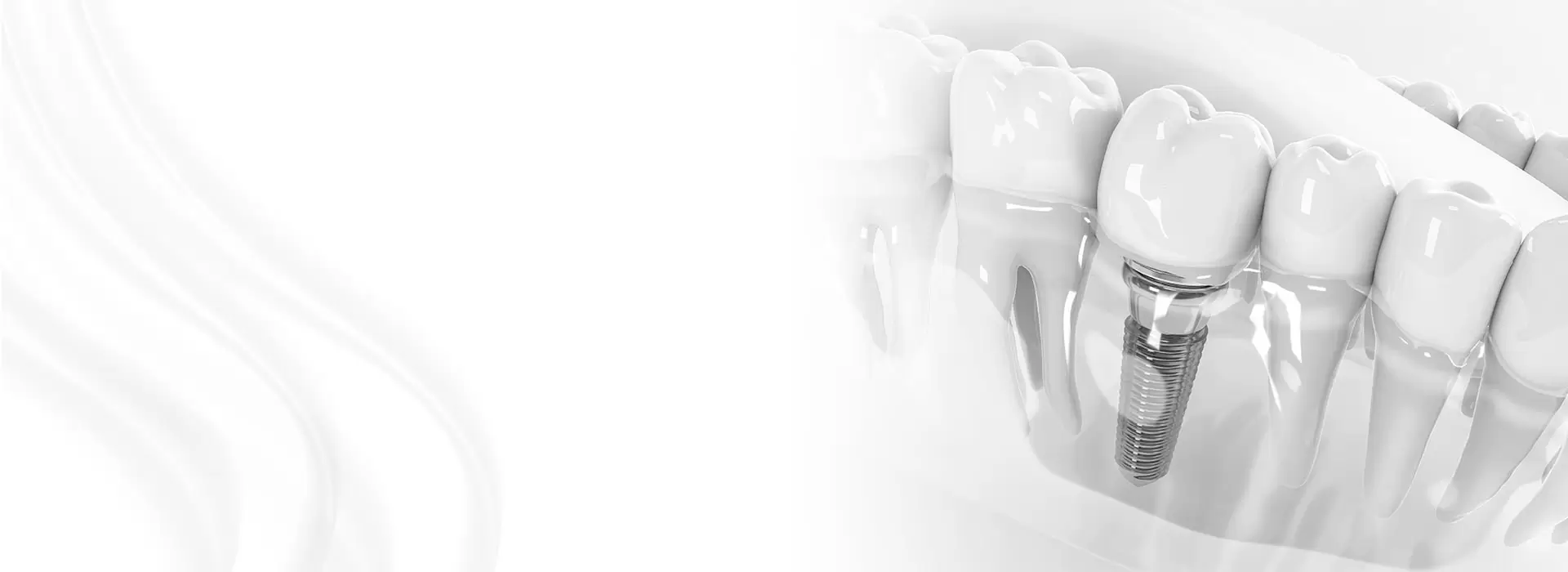
For patients who have lost several teeth or need a full-arch solution, All-on-Six implants may be discussed as part of a broader restorative plan. The right choice depends on bone condition, oral health, budget, medical history, and the long-term goals established during consultation.
Practical ways to support healing
A few simple habits can make recovery smoother and help protect the restored tooth:
- Follow the dentist’s instructions for pain relief and medication exactly.
- Choose softer foods until normal biting feels comfortable.
- Avoid chewing ice, hard sweets, or other objects that can crack the tooth.
- Keep the treated area clean with careful brushing and flossing.
- Attend the follow-up appointment for a permanent filling or crown.
Good oral hygiene remains important after root canal therapy. The procedure removes infected pulp, but the tooth can still develop new decay if plaque accumulates around the filling or crown. Regular checkups allow the dentist to monitor the restoration and surrounding tissues.
Root canal treatment has a high success rate when the canals are thoroughly disinfected and the tooth is properly restored. However, no dental procedure can protect against future decay, gum disease, or damage from grinding. A custom night guard may be useful for patients who clench or grind their teeth.
The length of the appointment varies according to the tooth. Front teeth often have one relatively straightforward canal, while premolars and molars can have several narrow or curved canals. A personalized assessment gives a clearer estimate of treatment time and the restoration required afterward.
If persistent tooth pain, temperature sensitivity, or swelling is affecting your daily life, arrange an examination rather than waiting for symptoms to disappear. TruDent Clinics can assess the source of the problem, explain the available options, and create a tailored plan to preserve your smile and oral function. Schedule a consultation to receive timely, professional dental care.