What Is a Dental Bridge and How Is It Placed?
A dental bridge is a fixed restoration used to replace one or more missing teeth. It fills the gap with an artificial tooth, known as a pontic, which is held in position by crowns or other attachments connected to nearby teeth or dental implants. Unlike a removable partial denture, a bridge stays in place during eating, speaking, and daily activities.
Replacing a missing tooth can support more than appearance. A gap may allow neighboring teeth to drift, affect the way your upper and lower teeth meet, and make chewing less comfortable. A well-designed bridge restores the visible shape of the smile while helping maintain a more balanced bite.
The treatment process depends on the location of the gap, the health of the supporting teeth and gums, the number of missing teeth, and your long-term preferences. At TruDent Clinics in Izmir, the dental team assesses these factors before creating a personalized treatment plan.
How A Dental Bridge Works
A conventional bridge usually consists of one or more replacement teeth joined to dental crowns. The crowns fit over the natural teeth on either side of the space, called abutment teeth. The artificial tooth suspended between them is the pontic. Once cemented, the restoration functions as a stable part of the dental arch.
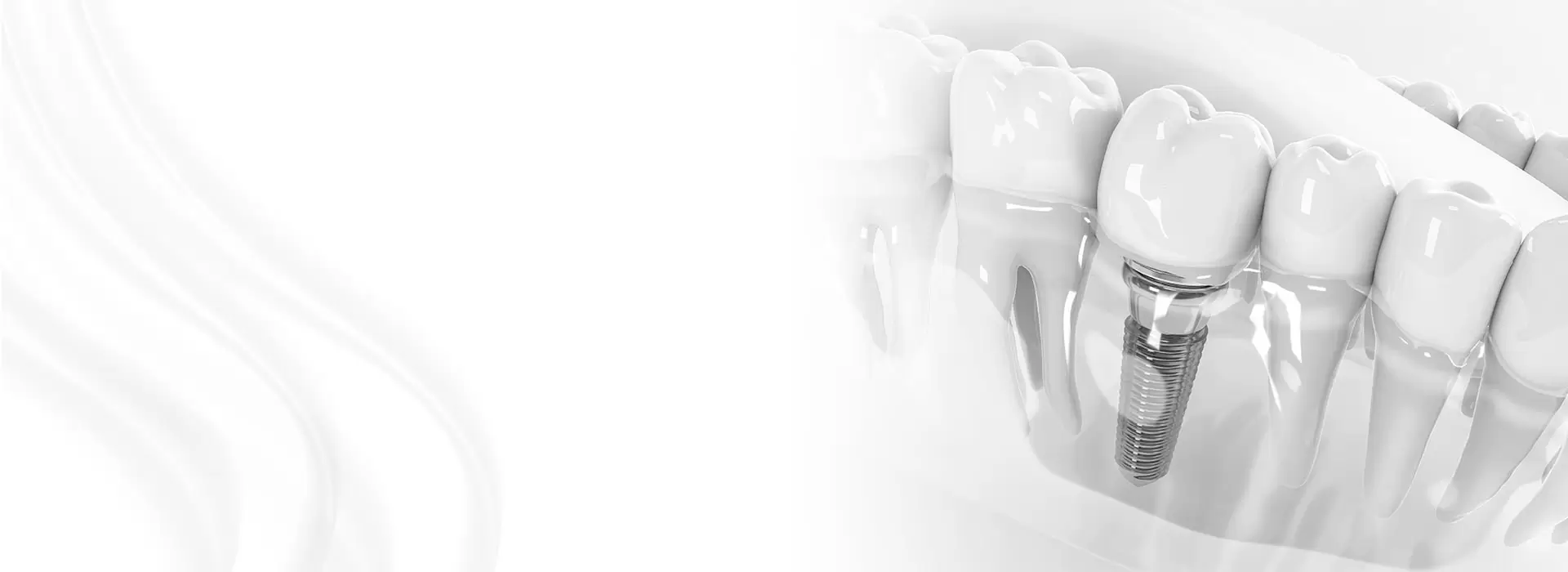
Some bridges are supported by implants rather than natural teeth. Dental implants are small titanium fixtures placed in the jawbone, and they can support a bridge without requiring adjacent healthy teeth to be reshaped. This approach may be useful when several neighboring teeth are missing or when the surrounding teeth are not suitable as anchors.
A bridge is different from a single dental implant because it replaces several units in a connected restoration, while an implant crown generally replaces one tooth. Your dentist will consider bone volume, gum health, bite forces, aesthetics, and the condition of nearby teeth when comparing these options.
Types Of Bridges Available
The most familiar design is the traditional fixed bridge. It uses crowns on both sides of the gap and is often selected when strong, healthy abutment teeth are available. Preparing those teeth involves removing a controlled amount of enamel so the crowns can fit securely.
A cantilever bridge is attached to an abutment on only one side. It may be considered in carefully selected areas where biting pressure is lower, but it is not appropriate for every missing-tooth location. A Maryland bridge uses a framework or wings bonded to the back of nearby teeth, preserving more natural tooth structure. Its suitability depends on the bite and the strength of the supporting teeth.
An implant-supported bridge can replace multiple missing teeth without placing a crown over every natural tooth. It can also provide strong support and help reduce bone loss in the areas where implants are placed. However, it involves a surgical phase and may require healing time before the final bridge is attached.
| Bridge type |
Main support |
Common advantage |
Important consideration |
| Traditional fixed bridge |
Crowns on adjacent teeth |
Familiar, stable design |
Supporting teeth must be prepared |
| Cantilever bridge |
One adjacent tooth |
Useful in selected low-pressure areas |
Limited suitability for strong biting zones |
| Maryland bridge |
Bonded wings behind nearby teeth |
Preserves more enamel |
May be less suitable for heavy bite forces |
| Implant-supported bridge |
Dental implants |
Does not rely on neighboring natural teeth |
Requires surgery and healing |
How The Placement Process Works
The first appointment involves an oral examination, dental X-rays or digital scans, and a discussion of your goals. The dentist checks for cavities, gum disease, cracks, infection, and bite problems. Any active dental disease should usually be treated before a bridge is planned, because healthy foundations improve the restoration’s stability.
For a traditional bridge, local anesthesia is used while the abutment teeth are reshaped. The dentist then records the prepared teeth and surrounding tissues with digital scanning or dental impressions. These records guide the laboratory in creating a bridge that matches the color, proportions, and contours of your smile.
A temporary bridge may be placed while the permanent restoration is being made. It protects the prepared teeth and allows you to maintain normal appearance and basic function. During this stage, avoid very sticky foods and report sensitivity, looseness, or discomfort to the clinic.
At the fitting appointment, the dentist checks the bridge’s shade, shape, margins, contacts, and bite. Small adjustments may be made before the bridge is permanently bonded or cemented. Implant-supported bridges follow a different schedule: implants are placed first, and the final restoration is fitted after the implants have integrated with the jawbone.
Who May Benefit From A Bridge
A bridge may be appropriate for someone with one or more missing teeth who wants a fixed restoration and has adequate support from neighboring teeth, implants, or both. It can restore chewing efficiency, improve speech affected by a gap, and give the smile a more complete appearance. The dentist also considers whether the remaining teeth can tolerate the additional load.
Good gum health is important. Gum inflammation, bone loss, untreated decay, or poor oral hygiene can weaken the support around a bridge. These concerns do not always rule out treatment, but they may need to be managed first. People who grind or clench their teeth may also need a night guard to protect the restoration.
A clinical assessment is more reliable than choosing a bridge based on appearance alone. You can review the experience and clinical backgrounds of the TruDent doctors before discussing your treatment goals with the dental team. The final recommendation should reflect your oral health, budget, timeline, and expectations.
Benefits, Limitations, And Aftercare
A bridge can produce a natural-looking result in a relatively short treatment period, particularly when no implant surgery is needed. It may improve confidence, restore a continuous row of teeth, and help prevent neighboring teeth from moving into the empty space. Modern ceramic and porcelain-fused materials can be matched closely to the surrounding teeth.
There are also limitations. Traditional bridges require alteration of the abutment teeth, including teeth that may otherwise be healthy. The restoration can also be affected by decay at the margins, gum disease, cement failure, fracture, or excessive bite pressure. An implant-supported bridge avoids preparation of adjacent teeth but involves a longer and more complex process.
Daily cleaning is essential. Brush twice a day with fluoride toothpaste, and clean underneath the pontic using floss threaders, interdental brushes, or a water flosser. Attend regular checkups so the dentist can inspect the bridge, gums, bite, and supporting teeth. With good care, many bridges function for years, although their lifespan varies according to materials, oral hygiene, bite forces, and general health.
Choosing The Right Treatment Plan
The price and timeline of a dental bridge depend on the design, number of missing teeth, materials, preparatory treatments, and whether implants are needed. A traditional bridge may involve fewer surgical appointments, while an implant-supported option may require scans, bone assessment, implant placement, healing, and several stages of restoration.
During a consultation, ask for a clear explanation of the proposed bridge type, the condition of the supporting teeth, alternatives such as an implant or removable partial denture, and the expected maintenance requirements. It is also useful to understand what is included in the quoted fee and whether temporary restorations or follow-up adjustments are part of the plan.
Useful points to discuss with your dentist include:
- Whether the neighboring teeth are strong enough to support a conventional bridge
- Which material offers the best balance of appearance, durability, and cost
- Whether gum treatment, root canal therapy, or fillings are needed beforehand
- How long the temporary and permanent stages are expected to take
- What cleaning aids and protective measures will help the bridge last
The most suitable restoration is the one that fits your clinical needs as well as your smile goals. A detailed examination can identify the most predictable route and prevent avoidable problems after placement.
To find out whether a dental bridge is suitable for your missing tooth or teeth, schedule a consultation with TruDent Clinics in Izmir. The team can assess your oral health, explain fixed and implant-supported options, and create a personalized plan for restoring comfort, function, and a natural-looking smile.