What Is a Smile Lift and How Does It Work?
A smile lift is a cosmetic dental treatment designed to make the smile appear more youthful, balanced, and naturally elevated. It can improve the visible shape, length, color, and alignment of the teeth while creating better harmony between the teeth, gums, lips, and facial features.
The phrase may describe several different treatments rather than one standard procedure. Depending on the patient’s needs, a smile lift can involve veneers, crowns, gum contouring, orthodontics, professional whitening, dental implants, or botulinum toxin for certain upper-lip and jaw concerns.
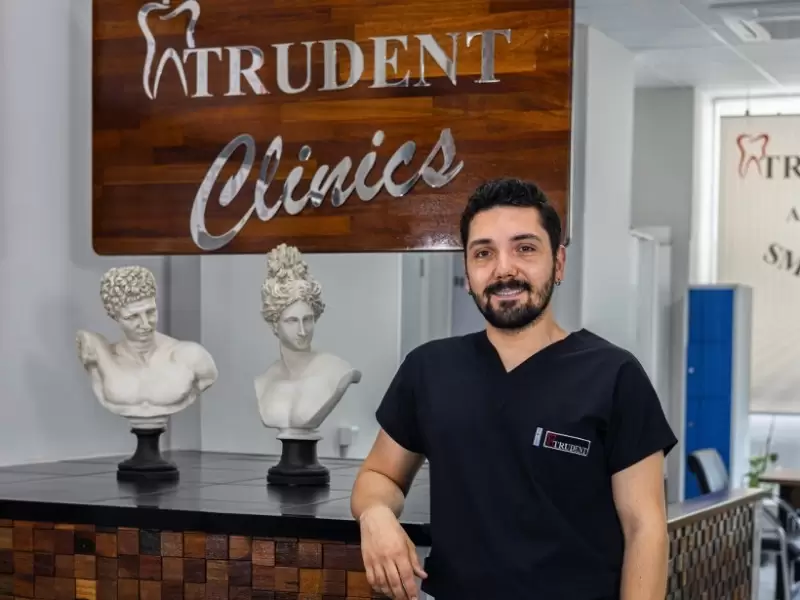
At TruDent Clinics in Izmir, smile enhancement begins with an assessment of oral health, facial proportions, tooth function, and personal expectations. The aim is to create a personalized smile makeover rather than apply the same design to every patient.
The Meaning Behind A Smile Lift
With age, teeth can become shorter-looking because of enamel wear, chipping, staining, or changes in the gum line. The upper lip may also appear longer or less mobile, while the corners of the mouth may seem to turn downward. A smile lift addresses the overall appearance of these changes.
In cosmetic dentistry, the treatment often involves restoring or redesigning the front teeth so more healthy tooth structure shows when a person smiles. Carefully shaped veneers or crowns can add length, improve symmetry, and create a smoother curve across the visible teeth. The result should look proportionate rather than overly bright or artificial.
The term can also be used for treatments that influence the lips and surrounding muscles. In selected cases, small amounts of botulinum toxin may relax muscles that pull the upper lip upward excessively or contribute to a gummy smile. This approach is different from dental veneers and must be planned according to facial movement and muscle activity.
How The Treatment Is Planned
A smile lift starts with a detailed consultation. The dentist examines the teeth, gums, bite, jaw joints, and facial profile before recommending cosmetic changes. Photographs, digital scans, X-rays, and a discussion of the patient’s preferred tooth shape may all contribute to the treatment plan.
The dentist may assess the smile line, gum display, midline, tooth proportions, lip position, and how much of the upper teeth appears at rest and during smiling. Existing fillings, cracks, missing teeth, decay, gum disease, and bite problems need attention before elective cosmetic work begins.
Digital smile design can help patients preview possible changes. It does not guarantee an exact final appearance, but it provides a useful visual guide for discussing tooth length, width, color, contour, and symmetry. A temporary mock-up may also be used to assess speech, comfort, and appearance before permanent restorations are made.
Treatments That May Be Included
There is no single formula for a smile lift. The most suitable combination depends on whether the main concern is tooth wear, discoloration, crowding, missing teeth, excessive gum visibility, or lip movement.
| Treatment |
Common purpose |
Typical role in a smile lift |
| Porcelain veneers |
Improve front-tooth shape, color, and minor spacing |
Create a longer, more even, polished smile |
| Dental crowns |
Restore weakened or heavily damaged teeth |
Rebuild structure while improving appearance |
| Professional whitening |
Reduce stains and brighten natural enamel |
Establish a cleaner shade before restorations |
| Invisible aligners |
Correct mild to moderate crowding or spacing |
Improve alignment before cosmetic finishing |
| Gum contouring |
Reshape excessive or uneven gum tissue |
Balance the gum-to-tooth ratio |
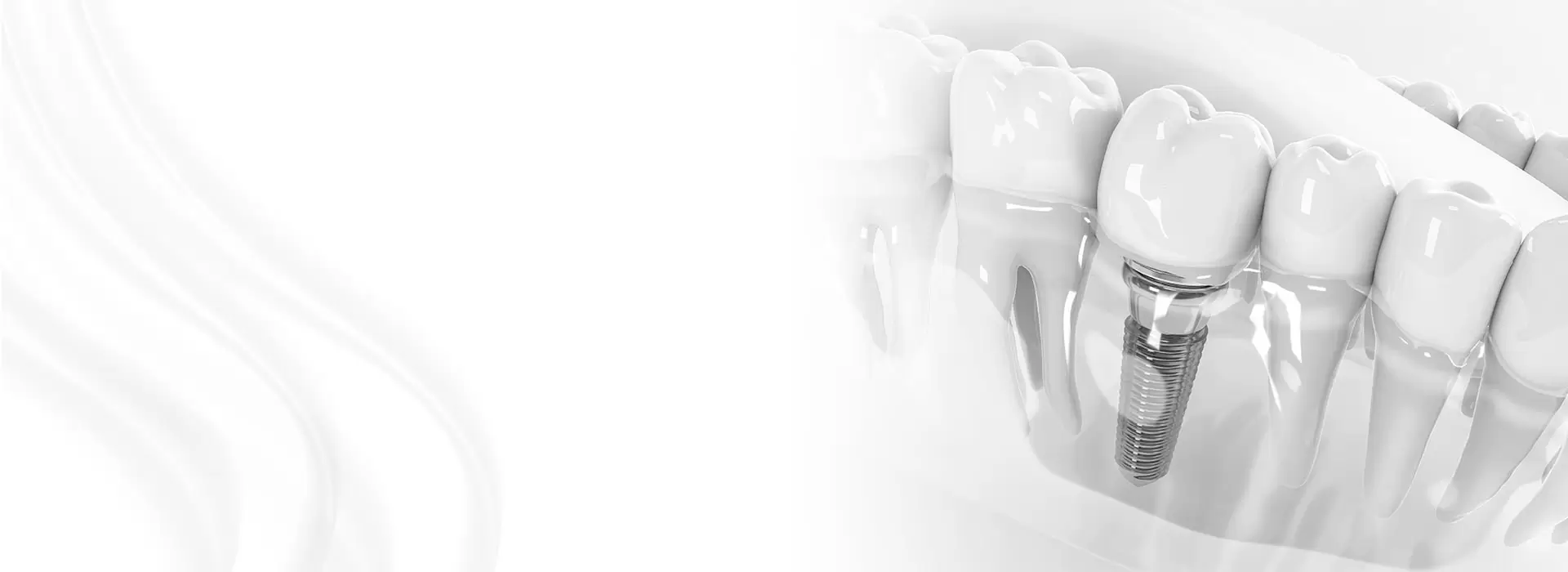
| Dental implants |
Replace missing teeth and roots |
Restore function and continuity in the smile |
| Botulinum toxin |
Relax selected facial or jaw muscles |
Address certain gummy smile or jaw-tension concerns |
Veneers are thin coverings bonded to the front of prepared teeth, while crowns surround more of the tooth and are generally selected when greater structural support is required. Whitening can enhance natural teeth, although it does not change the shade of existing crowns, veneers, or fillings.
When a gummy smile is caused by excessive gum tissue, altered tooth eruption, or the position of the upper jaw, botulinum toxin alone may not provide a lasting or complete solution. A careful diagnosis is essential because the visible symptom may have several possible causes.
Who May Benefit From A Smile Lift
Adults with worn, uneven, discolored, chipped, short-looking, or irregularly shaped front teeth may benefit from smile enhancement. It may also be suitable for people who want to replace old restorations, close small spaces, improve mild asymmetry, or create a more balanced smile after orthodontic treatment.
A smile lift is most predictable when the teeth and gums are healthy. Active decay, untreated gum inflammation, severe grinding, unstable bite problems, or poor oral hygiene can affect the outcome and may need to be managed first. A dentist may recommend a protective night guard for patients who clench or grind their teeth.
Expectations are equally important. Cosmetic dentistry can improve the appearance of the smile, but it cannot stop natural aging, guarantee perfect symmetry, or replace good oral care. Patients should understand the proposed materials, preparation requirements, likely maintenance, and limitations before treatment begins.
For long-term oral health, regular examinations remain important even after cosmetic treatment. Routine visits can help detect gum inflammation, recurrent decay, bite changes, and problems around restorations early; guidance on regular dental checkups can help patients maintain a consistent schedule.
Benefits, Risks, And Longevity
The main benefit is a more harmonious smile that complements the face. Patients may notice improvements in tooth proportions, shade, symmetry, and confidence when speaking or smiling. Restorative treatments can also improve chewing or protect weakened teeth when they are selected for functional reasons as well as cosmetic ones.
The risks vary according to the procedure. Veneer preparation may involve the removal of a small amount of enamel and is generally considered irreversible. Crowns require more extensive tooth preparation. Whitening can cause temporary sensitivity, while gum procedures may cause short-term tenderness or swelling. Botulinum toxin may lead to temporary asymmetry, altered lip movement, or difficulty performing certain expressions if it is not carefully administered.
The lifespan of veneers, crowns, and other restorations depends on material quality, bite forces, hygiene, diet, and regular dental care. They are not indestructible and may eventually need repair or replacement. Avoiding habits such as biting ice, opening packages with the teeth, and chewing hard objects can help protect the result.
A natural outcome depends on more than choosing a bright shade. Tooth translucency, surface texture, edge shape, gum contours, and the relationship between the upper and lower teeth all influence the final appearance. Conservative planning usually supports a more comfortable and believable result.
Preparing For The Procedure
Before treatment, patients should share information about medical conditions, medications, allergies, previous dental work, and habits such as smoking or teeth grinding. The dentist may recommend treating cavities, gum disease, or bite-related concerns before beginning cosmetic procedures.
Depending on the plan, the process may take place over one appointment or several visits. Whitening and minor reshaping can be relatively straightforward, while aligners, gum contouring, implants, or a full smile makeover require additional planning and healing time. Temporary restorations may be used while a dental laboratory creates the final veneers or crowns.
After treatment, mild sensitivity or gum tenderness can occur. Patients should follow the clinic’s instructions about brushing, flossing, diet, and any prescribed medication. If botulinum toxin is included, the effect develops gradually and typically lasts for a limited period, so follow-up assessment may be recommended.
Practical Ways To Protect Your Results
- Brush twice daily with a soft-bristled toothbrush and use the flossing method recommended by your dentist.
- Attend routine examinations and professional hygiene appointments at the intervals advised for your oral health.
- Wear a custom night guard if clenching or grinding puts pressure on veneers, crowns, or natural teeth.
- Limit frequent exposure to staining drinks and avoid biting hard objects with the front teeth.
- Contact the clinic promptly if a restoration feels loose, the bite changes, or gum swelling develops.
Choosing A Personalized Smile Design
A successful smile lift should be planned around the individual rather than a trend. Very white, uniformly shaped teeth may not suit every face, age, skin tone, or lip position. The dentist should explain how different shapes and shades will affect the overall result and preserve as much healthy tooth structure as possible.
The design also needs to support normal function. Teeth that are made too long may interfere with speech or the bite, while restorations that are too bulky can feel uncomfortable and make cleaning difficult. A balanced plan considers appearance, phonetics, chewing, gum health, and long-term maintenance together.
At TruDent Clinics, a consultation can bring these factors into one treatment pathway, whether the patient needs a small cosmetic adjustment or a broader smile makeover. Veneers, crowns, whitening, aligners, implants, gum treatments, and selected botulinum toxin procedures may be combined when clinically appropriate.
A smile lift is therefore best understood as a coordinated approach to improving the visible smile and its surrounding structures. Schedule a consultation with TruDent Clinics in Izmir to discuss your concerns, review your treatment options, and develop a smile plan suited to your dental health and personal goals.