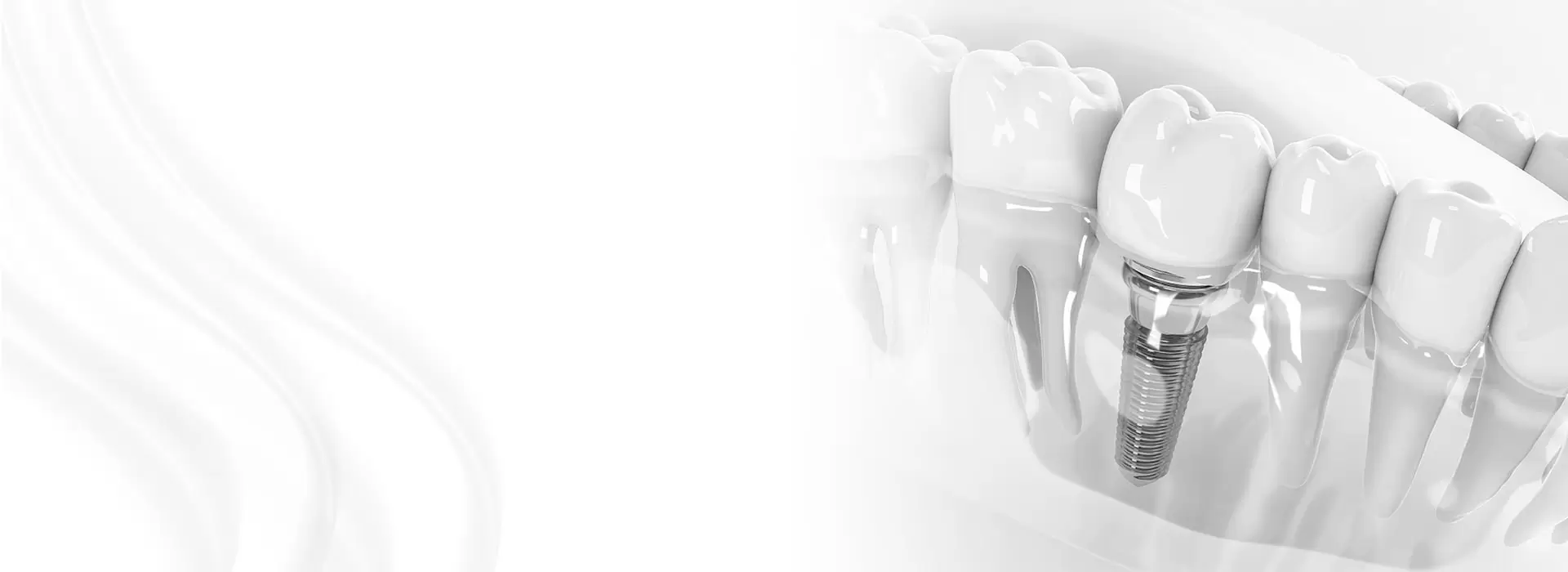
Finding the right time for dental implants
Dental implants can replace missing teeth with a stable, natural-looking restoration that supports chewing, speech, and facial balance. The ideal timing depends less on reaching a particular birthday and more on jaw development, oral health, general medical condition, and the reason the tooth was lost.
Most patients receive implants after facial growth has finished, which commonly occurs in the late teenage years or early twenties. However, there is no universal upper age limit. Healthy adults in their sixties, seventies, and beyond may achieve excellent results when their gums, jawbone, and general health are suitable for treatment.
A careful dental assessment is essential before deciding on implant placement. Your dentist may evaluate bone volume, gum health, bite alignment, existing medical conditions, medications, smoking habits, and your ability to maintain daily oral hygiene. This personalized approach helps determine whether treatment should begin now or after preparatory care.
Why age matters for implant treatment
Dental implants are anchored into the jawbone, where they gradually integrate through a process called osseointegration. If the jaw is still growing, the implant may become misaligned as the surrounding bone and facial structures develop. This can affect the appearance of the gum line, the position of neighboring teeth, and the long-term function of the restoration.
For this reason, dentists usually wait until jaw growth is complete. Chronological age provides a useful guide, but growth varies between individuals. A dental examination, X-rays, and sometimes a three-dimensional scan offer a more reliable way to assess readiness than age alone.
The timing may also depend on whether the missing tooth resulted from decay, trauma, gum disease, or a congenital condition. Preserving the space and maintaining bone volume can be especially important in younger patients, even when an implant must be postponed.
When jaw development is complete
Many females finish most jaw growth around the middle to late teenage years, while males may continue developing into the late teens or early twenties. These are general patterns rather than strict rules. A dentist may use facial growth records, previous imaging, and clinical indicators to determine whether development has stabilized.
Young people who have lost a permanent tooth may use a temporary bridge, removable appliance, or orthodontic solution while waiting. In selected cases, bone preservation procedures can help reduce future bone loss. The best interim option depends on the location of the tooth, the patient’s bite, appearance goals, and expected waiting period.
Implants are generally avoided in children unless there is a highly specific medical or developmental reason and treatment is managed by a specialist team. For most adolescents, preserving healthy teeth and supporting normal jaw growth take priority over permanent implant placement.
Implants for younger adults
Once growth is complete, younger adults can be strong candidates for tooth replacement. They often have good bone density and fewer medical conditions that could slow healing. Replacing a missing tooth can also help prevent neighboring teeth from shifting into the empty space and may support more balanced chewing.
A missing tooth should not be ignored simply because the patient is young. Gaps may contribute to bite changes, food trapping, reduced confidence, and gradual bone resorption. Still, an implant is a long-term commitment, so the decision should account for future dental needs, oral hygiene habits, and realistic expectations about maintenance.
Patients considering cosmetic treatment can review examples of completed smile transformations in the clinic’s smile gallery. While photographs cannot predict an individual result, they can help clarify preferences for tooth shape, shade, proportion, and the relationship between an implant crown and the surrounding smile.
| Patient stage |
Typical implant considerations |
Common priorities |
| Child or early adolescent |
Jaw growth is usually incomplete |
Preserve space, protect developing teeth, use a temporary solution |
| Older adolescent |
Growth may be nearing completion but requires assessment |
Confirm skeletal maturity and maintain gum and bone health |
| Young adult |
Often favorable healing potential if growth is complete |
Replace the tooth, protect alignment, and plan long-term maintenance |
| Middle-aged adult |
Usually suitable when oral and general health are controlled |
Treat gum disease, assess bone, and review medical history |
| Older adult |
Age alone is not a barrier |
Evaluate healing capacity, medications, bone quality, and daily care |
Older adults can be good candidates
There is no fixed maximum age for dental implants. Older adults may benefit substantially from implant-supported teeth because improved stability can make eating more comfortable and reduce the inconvenience of loose dentures. Implant treatment may involve a single crown, a bridge, or a full-arch restoration depending on how many teeth are missing.
The important factors are healing potential and the condition of the mouth. Controlled diabetes, managed high blood pressure, and many other common health conditions do not automatically rule out treatment. The dentist may coordinate with a physician when necessary and adjust the treatment plan to support safe healing.
Bone loss can become more common after tooth loss and with advancing age, but it does not always prevent implant placement. Bone grafting or sinus augmentation may create a suitable foundation when there is insufficient volume. These procedures can add time and cost, so they should be discussed during the initial assessment.
Health factors that influence timing
Oral hygiene and gum health are central to implant success at any age. Active gum disease can damage the tissues supporting natural teeth and implants, so it should be treated before surgery. Cavities, infections, and poorly fitting restorations may also need attention first.
Smoking can restrict blood flow and interfere with healing, increasing the risk of complications. Heavy alcohol use, uncontrolled diabetes, immune problems, and certain medications may also affect recovery. This does not always make implants impossible, but it may require medical clearance, lifestyle changes, or a modified schedule.
A detailed consultation should include a review of medication such as bisphosphonates, some osteoporosis treatments, blood thinners, and drugs that affect immune function. Patients should provide a complete medical history rather than stopping any medication independently.
Signs you may be ready for an implant
Readiness involves more than being old enough. A dentist will consider whether the extraction site has healed, whether adequate bone is present, and whether you can commit to regular cleaning and follow-up visits. A stable bite and healthy neighboring teeth can also improve the long-term outlook.
The following points can help you prepare for an implant consultation:
- Confirm that jaw growth is complete if you are a teenager or young adult.
- Treat gum disease, tooth decay, and active infections before surgery.
- Share all medical conditions, medications, allergies, and previous dental procedures.
- Discuss smoking, diabetes, bone density, and any history of delayed healing.
- Ask about bone grafting, temporary teeth, treatment stages, and maintenance needs.
The consultation may include digital scans, dental X-rays, photographs, and an examination of your bite. These records allow the dental team to plan implant position, restoration design, and the sequence of any required procedures. They also help identify whether an alternative, such as a bridge or removable prosthesis, would be more appropriate.
How the treatment timeline is decided
The full process may take several months, particularly when tooth extraction, bone grafting, or gum treatment is required. Some patients receive an implant soon after extraction, while others need a healing period before placement. Immediate loading may be possible in carefully selected cases, but it is not suitable for everyone.
After placement, the implant typically needs time to integrate with the jawbone. A temporary restoration may be used during healing, followed by an abutment and permanent crown. Patients should avoid placing excessive pressure on the area during the early stages and follow all cleaning instructions closely.
Long-term care includes brushing twice daily, cleaning around the implant with suitable interdental tools, attending professional hygiene appointments, and receiving periodic examinations. An implant cannot decay like a natural tooth, but the surrounding gum and bone can still become inflamed if plaque accumulates.
Dental implants may be appropriate at many different ages, provided the jaw has finished developing and the patient’s oral and general health are managed. A personalized evaluation at TruDent Clinics can clarify whether you are ready for implant surgery, need preparatory treatment, or would benefit from another tooth replacement option.
Schedule a consultation to discuss your missing tooth, review available treatment stages, and receive a plan based on your anatomy, health, and smile goals.