Smile Makeover Or Cosmetic Contouring: What Sets Them Apart
A smile makeover and cosmetic contouring can both improve the appearance of your teeth, but they are very different types of treatment. A makeover may combine several cosmetic and restorative procedures, while contouring usually involves carefully reshaping a small amount of enamel to refine tooth proportions.
Understanding the difference helps you choose a suitable approach for your goals, budget and dental health. At TruDent Clinics in Izmir, treatment planning begins with an examination and discussion of your smile, bite, existing restorations and preferred result.
| Feature |
Smile Makeover |
Cosmetic Contouring |
| Main purpose |
Improve several aspects of the smile |
Refine the shape or length of selected teeth |
| Typical treatments |
Veneers, crowns, whitening, implants or aligners |
Minor enamel reshaping and polishing |
| Effect on teeth |
May involve restoration or movement |
Usually preserves the natural tooth structure |
| Treatment time |
Often requires multiple appointments |
Commonly completed in one appointment |
| Best suited to |
Discolouration, worn teeth, gaps, uneven teeth or missing teeth |
Small chips, pointed edges, minor overlap or uneven lengths |
| Reversibility |
Depends on the procedures used |
Often considered minimally invasive, but enamel does not grow back |
What A Smile Makeover Usually Involves
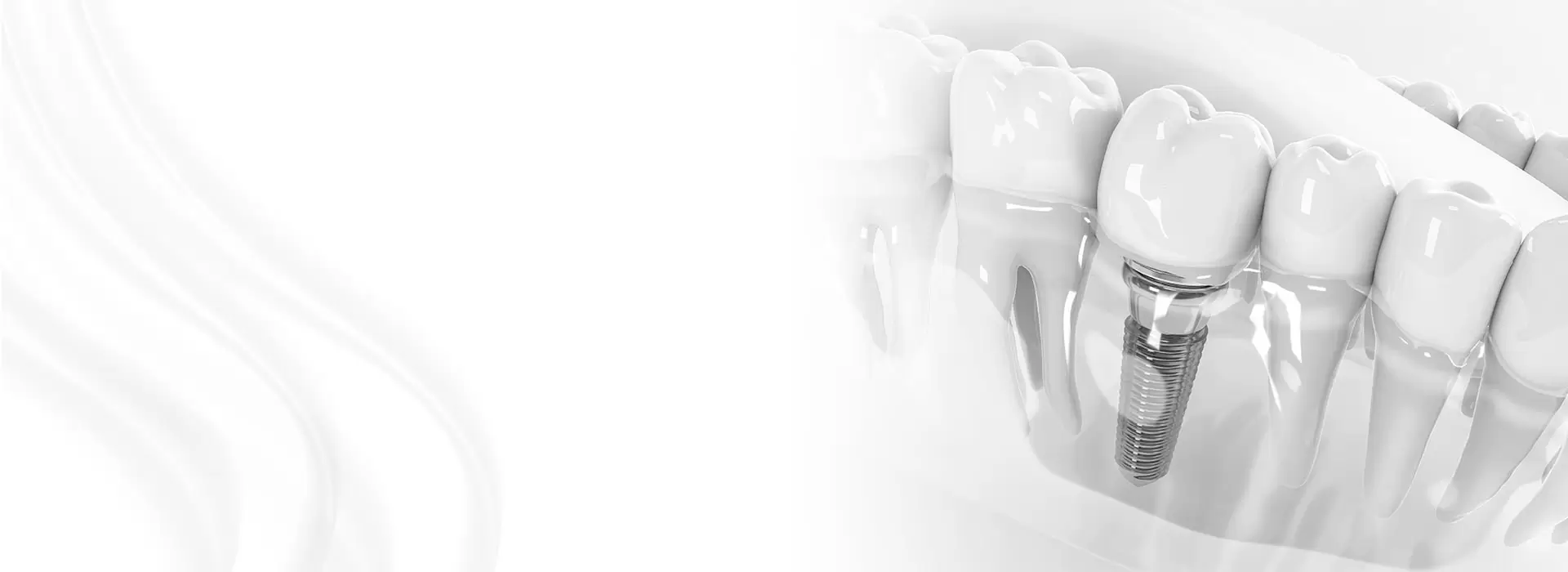
A smile makeover is a personalised combination of cosmetic and general dentistry treatments. The plan may include professional teeth whitening, porcelain veneers, composite bonding, dental crowns, invisible aligners or dental implants. The specific combination depends on the condition of the teeth and the appearance you want to achieve.
For example, someone with healthy but dull teeth may need whitening and subtle bonding, while a patient with worn enamel, old crowns and missing teeth may require a more comprehensive restorative plan. A makeover can address colour, tooth shape, alignment, spacing, gum display and overall balance between the upper and lower teeth.
The phrase “smile makeover” describes the planning approach rather than one specific procedure. It should never mean applying veneers or crowns automatically. Healthy enamel, gum condition, bite function and long-term maintenance all need to be considered before treatment begins.
How Cosmetic Contouring Changes The Smile
Cosmetic contouring, also called enameloplasty or tooth reshaping, involves removing a very small amount of enamel to alter the outline of a tooth. A dentist may smooth a sharp corner, reduce a slightly pointed canine, balance uneven edges or refine a tooth that appears broader than its neighbours.
The procedure is generally conservative when used for suitable cases. It may be combined with polishing or minor composite bonding to create a more even appearance. Since the treatment changes the natural tooth rather than covering it with a veneer, it can be appealing to patients seeking a subtle adjustment.
Contouring cannot correct significant tooth discolouration, large gaps, extensive wear, severe crowding or missing teeth. Removing too much enamel may increase sensitivity or weaken the tooth, so the dentist must assess the thickness and shape of the enamel before proceeding.
Which Option Fits Your Dental Concerns
Cosmetic contouring may be appropriate when the teeth are healthy, adequately aligned and close to the desired shape. It is often considered for minor imperfections that become noticeable in photographs or when speaking. The result can be understated, with the natural texture and colour of the enamel retained.
A smile makeover may be more suitable when several concerns appear together. Teeth whitening can address staining from coffee, tea or smoking; aligners can improve mild crowding; veneers can change shape and colour; crowns can restore teeth affected by substantial damage; and implants can replace missing teeth.
A consultation should also assess your bite. A tooth that looks uneven may be compensating for the way the upper and lower teeth meet. Treating its appearance without reviewing the bite could lead to discomfort, chipping or an unstable result.
Treatment Planning And Dental Health
Before cosmetic treatment, a dentist may examine the gums, check for decay, review existing fillings and take photographs or digital scans. X-rays may be recommended when there are concerns about tooth roots, bone, infection or a missing tooth site. Any active dental disease generally needs attention before elective cosmetic work.
Digital smile planning can help illustrate possible changes, although a computer image is not a guarantee of the final outcome. The appearance of lips, gums, facial proportions and natural tooth movement can affect the result. Your dentist should explain what can be achieved realistically and which compromises may be involved.
Patients travelling from Australia to Turkey should allow time for proper assessment and follow-up planning. Melbourne, Sydney, Brisbane and Perth patients may need to coordinate flights, accommodation and time away from work. A treatment schedule should include space for reviews, especially when procedures involve crowns, veneers, implants or bite adjustment.
Longevity, Maintenance And Everyday Habits
The lifespan of cosmetic dentistry depends on the material used, the condition of the teeth and daily habits. Veneers and crowns can last for many years with good care, but they may eventually need repair or replacement. Contouring does not create a restoration that can fracture, although the reshaped enamel still needs normal protection.
Brushing twice daily with fluoride toothpaste, cleaning between the teeth and attending dental check-ups help preserve the result. Australian patients often have access to private health extras that may contribute to selected dental services, but cosmetic procedures are frequently excluded or only partly covered. Medicare generally does not cover routine adult dental treatment, so it is important to confirm benefits directly with your insurer.
Avoiding habits such as chewing ice, biting pens or opening packaging with your teeth can reduce the risk of chips. Patients who grind their teeth may benefit from a custom night guard. Coffee, black tea, red wine and tobacco can contribute to staining, particularly around natural teeth and some cosmetic materials.
Choosing A Clinic And Treatment Approach
When comparing dental clinics in Turkey, look for clear information about the treating dentist, proposed materials, examination process and aftercare. Australian patients should receive a written treatment plan that explains which teeth will be treated, the expected number of visits, fees, limitations and what happens if an adjustment is required after returning home.
Dentists working in Australia are regulated through the Dental Board of Australia and registered with the Australian Health Practitioner Regulation Agency. Turkish clinics operate under Turkey’s own healthcare and professional regulations, so patients should independently verify credentials, facility information and the arrangements for follow-up care. Advertising should not be treated as a substitute for a clinical assessment.
Useful points to discuss during your consultation include:
- Whether enamel reshaping alone can achieve the desired improvement
- How much natural tooth structure would be removed, if any
- Whether whitening or aligners should come before restorative treatment
- Which materials are proposed for veneers, crowns or bonding
- How the treatment may affect your bite, speech and tooth sensitivity
- What aftercare and emergency support are available after returning to Australia
- The total cost, including scans, temporary restorations, reviews and possible maintenance
Comparing Cost, Time And Invasiveness
Cosmetic contouring is usually less expensive and faster than a multi-treatment smile makeover because it involves limited reshaping. However, cost should not be the only factor. A low-cost procedure is poor value if it does not address the underlying issue or creates a need for later restorative work.
A makeover can require several stages. Aligners may take months, while implant treatment may involve healing periods before the final crown is placed. Veneers and crowns usually require preparation, temporary coverage and a later fitting appointment. The timeline varies according to the number of teeth treated and the complexity of the case.
Travelling overseas can make treatment costs appear attractive, but the full budget should include flights from Australia, accommodation, meals, travel insurance and possible local dental care after returning home. Patients should also ask whether a correction would require another international trip or can be managed through an Australian dentist.
Arranging A Personalised Consultation
The best choice depends on your natural tooth structure, oral health, bite and aesthetic priorities. Cosmetic contouring may be enough for a small correction, while a smile makeover can coordinate several procedures when colour, shape, alignment or missing teeth are involved. In some cases, the most conservative plan combines whitening or aligners with a small amount of contouring rather than extensive veneers.
TruDent Clinics can assess your smile and discuss options such as veneers, crowns, whitening, invisible aligners and dental implants alongside general and emergency dental care. Schedule a consultation in Izmir to receive a personalised treatment plan, understand the likely timeline and make an informed decision about improving your smile.