Standard And Cosmetic Dental Cleaning Explained
A dental cleaning can mean different things depending on the goal. A standard cleaning focuses on oral health: removing plaque, tartar and bacteria that contribute to gum disease and tooth decay. A cosmetic cleaning is aimed more at improving the visible colour and polish of the teeth, especially when surface stains have built up.
The two treatments may share some steps, and a clinic may offer them during the same appointment. However, they are not interchangeable. Understanding the difference helps Australian patients choose the right service, whether they need routine preventive care in Melbourne or a brighter smile before a special event in Sydney.
What A Standard Dental Cleaning Involves
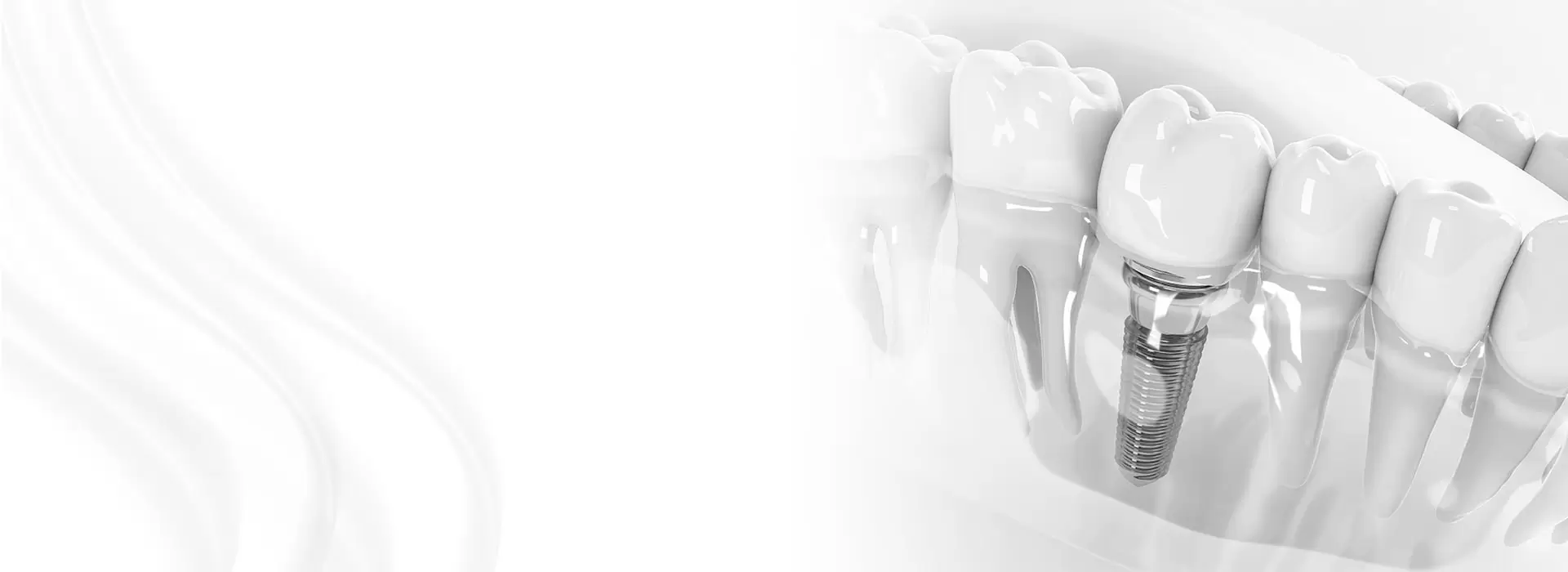
A standard dental cleaning, sometimes called a routine scale and clean or professional dental cleaning, is designed to protect the teeth and gums. A dentist or dental hygienist examines the mouth, removes plaque and hardened tartar, and cleans areas that brushing and flossing cannot reach effectively.
The process commonly includes scaling with hand instruments or an ultrasonic device, followed by polishing. The clinician may also check for bleeding gums, gum pockets, early decay, worn fillings and signs of tooth sensitivity. Fluoride may be applied when it is suitable for the patient’s needs.
This type of appointment is primarily preventive. It can reduce the risk of gingivitis, bad breath and periodontal disease, but it does not permanently change the natural shade of the teeth. A standard clean is often recommended every six to twelve months, although people with gum problems, braces, implants or heavy tartar may need more frequent visits.
What A Cosmetic Dental Cleaning Is Designed To Do
A cosmetic cleaning concentrates on the appearance of the smile. It may remove superficial discolouration caused by coffee, black tea, red wine, smoking, curry, cola or strongly pigmented foods. Air polishing, stain removal and a fine polishing paste can make the teeth look smoother and cleaner without altering their internal colour.
This is particularly relevant in Australia, where café culture is part of everyday life and many people regularly drink flat whites, long blacks or tea. A cosmetic clean can refresh the smile after months of staining, including the type that often appears around the gumline or between crowded teeth.
The results depend on the cause of the discolouration. A cosmetic clean can lift external stains, but it cannot fully correct natural yellowing, deep medication-related marks, fluorosis, cracks or colour changes inside a tooth. Those concerns may require professional teeth whitening, veneers, bonding or another cosmetic dentistry treatment.
The Main Difference Between The Two Treatments
The simplest distinction is purpose. Standard cleaning supports dental health by removing plaque and tartar, while cosmetic cleaning focuses on visible staining and surface brightness. A standard appointment may leave the teeth feeling exceptionally fresh, but its success is measured by healthier gums and cleaner tooth surfaces rather than a whiter shade.
Cosmetic cleaning is usually less invasive than whitening because it does not rely on bleaching agents to change the colour of enamel. It may be a sensible first step for someone who wants a cleaner-looking smile but has not yet determined whether professional whitening is necessary.
In practice, the treatments can overlap. A clinic may complete a scale and clean first, then polish away remaining stains. This is why patients should ask what is included in the quoted service. Terms such as “dental clean”, “stain removal” and “smile polishing” are sometimes used differently by practices.
Which Treatment Is Suitable For Australian Patients
A standard clean is generally the better choice when there is tartar, gum bleeding, persistent bad breath or a long gap since the last dental visit. It is also important before cosmetic treatment because whitening or veneers should be planned on a healthy, clean foundation.
A cosmetic clean may suit someone with healthy gums who wants to remove coffee or tobacco stains before a wedding, work event or holiday. It can be useful after professional orthodontic treatment, although a dentist should assess any enamel marks left by brackets before selecting the next step.
Cost and access also influence decisions in Australia. Medicare usually does not cover routine adult dental care, so patients often use private health insurance extras, pay directly or compare package fees between local practices. Prices can vary between suburbs, from inner-city Brisbane clinics to practices in regional areas, and a low advertised fee may exclude an examination, X-rays or periodontal treatment.
How A Dental Professional Assesses Your Smile
Before cleaning, the clinician should review your medical history, medications, sensitivities and dental concerns. They may examine the gums, measure pockets, check fillings and look for decay or cracked teeth. If staining is unusual or a tooth has changed colour suddenly, further investigation may be needed.
This assessment matters because brown or yellow marks are not always harmless surface stains. Tartar, enamel erosion, decay and leaking fillings can all affect the appearance of a tooth. Polishing over these problems will not resolve them and could delay treatment.
Patients considering treatment overseas should apply the same standard of assessment. A reputable provider should explain the difference between hygiene care and cosmetic procedures, rather than presenting every form of discolouration as a whitening opportunity. Information about cosmetic dental care can help patients compare services, but an individual consultation remains essential before booking treatment.
Cleaning, Whitening And Cosmetic Dentistry Compared
Professional whitening uses a peroxide-based gel to lighten the natural tooth shade. It can produce a larger colour change than a cosmetic clean, although temporary sensitivity or gum irritation may occur. Whitening also works best after plaque and tartar have been removed.
Veneers and crowns address a wider range of aesthetic concerns. They may improve the appearance of teeth affected by deep staining, chips, uneven edges or mismatched restorations. These treatments require careful planning because they are more involved than cleaning and, depending on the treatment, may alter the tooth structure.
A smile makeover may combine cleaning, whitening, bonding, aligners, veneers or implants. The right sequence is important. Straightening crowded teeth, treating gum inflammation or replacing a damaged restoration may need to happen before the final cosmetic shade is selected.
How To Maintain The Results At Home
Daily care determines how long the benefits of either type of cleaning last. Brush twice a day with fluoride toothpaste, clean between the teeth with floss or interdental brushes, and follow the technique recommended by your dental team. Electric toothbrushes can be useful for people who struggle to clean consistently.
Reducing frequent exposure to staining drinks helps preserve a polished appearance. Rinsing with water after coffee or tea is practical, although brushing immediately after acidic drinks may be unhelpful because enamel can be temporarily softened. Smoking and vaping can also contribute to staining and gum problems.
Australia’s tap water is fluoridated in many metropolitan areas, including major parts of Sydney, Melbourne and Adelaide, which supports enamel protection. However, water fluoridation arrangements vary between communities, and it does not replace brushing or professional reviews. People in remote or regional locations may need to plan appointments around travel and may benefit from a personalised recall schedule.
The most suitable interval depends on gum health, tartar formation, diet, smoking status, restorations and home-care habits. Regular preventive visits can identify small problems before they become painful or expensive, while occasional cosmetic polishing can maintain the appearance of an otherwise healthy smile.
Book a consultation with TruDent Clinics to have your teeth and gums assessed and receive a personalised recommendation for standard cleaning, stain removal, whitening or a broader cosmetic treatment plan.