Inlays And Onlays: How They Restore Damaged Teeth
When a tooth has more damage than a filling can comfortably repair, but still has enough healthy structure to avoid a full crown, a dentist may recommend an inlay or onlay. These custom restorations strengthen the tooth while preserving as much natural enamel as possible.
Both treatments are made to fit a prepared area of the tooth precisely. The key difference is how much of the chewing surface they cover. An inlay sits inside the cusps, while an onlay extends over one or more cusps to protect weakened areas.
Understanding the distinction can make a restorative dentistry consultation easier. The right option depends on the size and position of the damage, the strength of the remaining tooth, your bite, and the material chosen for the restoration.
What An Inlays And Onlays Are
An inlay is a solid dental restoration placed within the grooves of a tooth. It is generally used when decay, a fracture, or an old filling has affected the central part of the tooth but has not weakened the cusps significantly. Unlike a direct filling, an inlay is fabricated to exact measurements before being bonded into place.
An onlay is sometimes called a partial crown because it covers a larger area. It fills the damaged portion of the tooth and extends across one or more cusps. This makes it useful when the tooth needs additional protection but enough healthy structure remains to avoid covering the entire tooth with a traditional crown.
Both restorations can be made from porcelain, ceramic, composite resin, or gold. Tooth-coloured ceramic and porcelain are popular for visible teeth because they can closely match surrounding enamel. Gold is highly durable and may be considered for back teeth where strength and longevity are priorities.
How The Two Restorations Differ
The location and extent of coverage provide the clearest distinction. An inlay remains between the cusps, while an onlay replaces or shields one or more cusps. This means an onlay is typically selected for more extensive damage, although the final decision requires an assessment of the tooth and bite.
Inlays and onlays are both indirect restorations. The dentist removes damaged tissue, records the shape of the prepared tooth, and has the restoration produced in a dental laboratory or with digital milling technology. It is then checked for fit, colour, contact with neighbouring teeth, and bite alignment before being permanently cemented or bonded.
The treatment is more conservative than a full crown because less healthy tooth structure needs to be removed. However, an onlay may require slightly more preparation than an inlay because it must cover weakened cusps. Your dentist will aim to balance structural protection with preservation of natural tissue.
| Feature |
Inlay |
Onlay |
| Position |
Fits inside the cusps |
Extends over one or more cusps |
| Typical use |
Moderate damage in the centre of a tooth |
Larger damage involving weakened cusps |
| Tooth coverage |
Limited to the inner surface |
Covers the inner surface and selected outer areas |
| Amount of preparation |
Usually more conservative |
May require additional shaping for cusp coverage |
| Common materials |
Ceramic, porcelain, composite, gold |
Ceramic, porcelain, composite, gold |
| Main benefit |
Restores strength while preserving cusps |
Protects the tooth from further cusp fracture |
When An Inlay May Be Suitable
An inlay may be appropriate when a tooth has moderate decay or a damaged filling confined to the area between its cusps. It can also replace an old restoration that has cracked, leaked, or become difficult to keep clean. The tooth must have enough healthy enamel and dentine to support the cusps during chewing.
Because the restoration is custom-made, an inlay can provide a more stable fit than a large direct filling. It may reduce the risk of the filling shrinking, breaking, or pulling away from the tooth margins. A well-fitting inlay also creates a smooth surface that can be easier to maintain with regular brushing and interdental cleaning.
An inlay is not suitable for every cavity. If the tooth is severely weakened, has a significant fracture, or has lost one or more cusps, an onlay or crown may offer better protection. Teeth with infection inside the pulp may require root canal treatment before restorative work is considered.
When An Onlay Offers Better Protection
Dentists often recommend an onlay when decay or a fracture reaches a cusp or leaves it too thin to withstand normal biting pressure. Covering the vulnerable cusp helps distribute force across the restoration and the remaining tooth. This can lower the chance of a cusp splitting during chewing.
An onlay can be particularly useful for molars with large existing fillings. Over time, extensive fillings may leave the surrounding tooth walls susceptible to cracks. Replacing the filling with a cuspal coverage restoration can reinforce the tooth without removing all of its outer structure, as would usually be required for a full crown.
The condition of the tooth, the location of the damage, and habits such as teeth grinding all influence the recommendation. Someone who clenches or grinds may need a protective night guard after treatment. A dentist may also assess the opposing teeth and overall bite before selecting the restoration.
The Treatment Process And Recovery
Treatment commonly takes place over one or two appointments. During the first visit, the dentist examines the tooth, removes decay or failing material, and shapes the area. A digital scan or traditional impression is then used to create the inlay or onlay. A temporary restoration may protect the tooth while the permanent piece is being made.
At the fitting appointment, the dentist checks the restoration carefully. It must sit securely, meet the neighbouring teeth correctly, and allow comfortable chewing. Once the fit is approved, it is bonded or cemented in place. Minor bite adjustments may be made so the restored tooth does not receive excessive pressure.
Mild sensitivity can occur for a short time, particularly after preparation. It should gradually settle, but persistent pain, sharp sensitivity, or discomfort when biting should be reported to the dental team. Inlays and onlays are designed for everyday use, although their lifespan depends on oral hygiene, material, bite forces, and regular dental reviews.
Longevity, Maintenance, And Alternatives
Good daily care is central to protecting an inlay or onlay. Brush twice a day with fluoride toothpaste, clean between the teeth, and attend professional check-ups. Sticky sweets, hard foods, and using the teeth to open packages can place unnecessary stress on any restoration. A custom night guard may help protect the treatment from grinding forces.
The expected lifespan varies. High-quality ceramic, porcelain, composite, and gold restorations can remain functional for many years when the tooth and gums are healthy. A restoration may eventually need replacement because of wear, recurrent decay, fracture, or changes in the surrounding tooth. Regular examinations help identify small problems before they become extensive.
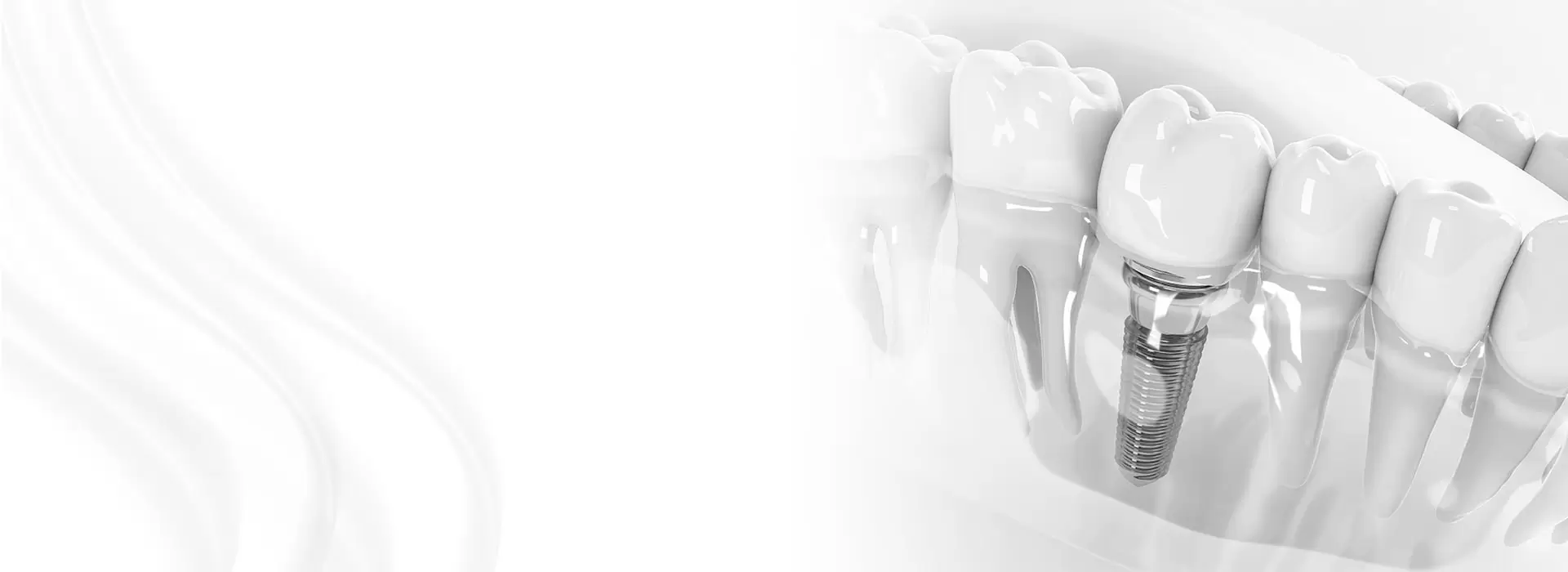
A direct filling may be enough for a small cavity, while a crown may be needed when the tooth has lost substantial structure. If a tooth cannot be saved, extraction and replacement may be discussed. For a missing tooth rather than a damaged one, a single dental implant can be one restorative option, depending on bone health and overall suitability.
Choosing The Right Restoration
The best choice is based on clinical evidence rather than appearance alone. A dentist may use visual examination, bite tests, dental X-rays, and sometimes magnification to assess cracks and the remaining tooth structure. The restoration should address the cause of the damage as well as repair its visible effects.
Consider these points during a consultation:
- Ask how much healthy tooth structure remains and whether the cusps are stable.
- Discuss ceramic, porcelain, composite, and gold options, including appearance and durability.
- Find out whether an inlay, onlay, filling, or crown provides the most conservative long-term solution.
- Mention tooth grinding, jaw tension, previous dental sensitivity, or discomfort when chewing.
- Review cleaning instructions, expected lifespan, and whether a night guard is recommended.
A personalised treatment plan also considers your cosmetic preferences, budget, oral hygiene, and future dental needs. An inlay may be ideal for contained central damage, whereas an onlay can provide the extra support required when cusps have been compromised. Neither restoration should be selected without checking the tooth’s structural condition.
A consultation at TruDent Clinics can help clarify whether an inlay or onlay is appropriate for your tooth. Book an appointment to receive an examination, discuss suitable materials, and develop a restorative plan designed around your smile and oral health.