Snap-on vs permanent veneers: what Australian patients should know
Veneers can change the colour, shape and apparent alignment of teeth, but the word “veneer” covers two very different treatments. Snap-on veneers are removable covers that sit over several teeth, while permanent veneers are custom restorations bonded to the front surfaces of selected teeth. Their appearance, maintenance, comfort, lifespan and clinical requirements are substantially different.
For Australians comparing options in Sydney, Melbourne, Brisbane or regional areas, the decision may also involve travel, private health insurance and follow-up care. Cosmetic dentistry is commonly excluded from standard extras policies, and treatment advertised online can vary considerably in quality. A proper dental assessment is essential before choosing either option.
TruDent Clinics in Izmir creates personalised treatment plans for patients considering cosmetic and general dentistry. A consultation can assess enamel, gum health, bite, tooth position and expectations before comparing removable cosmetic covers with porcelain or composite restorations.
How snap-on veneers work
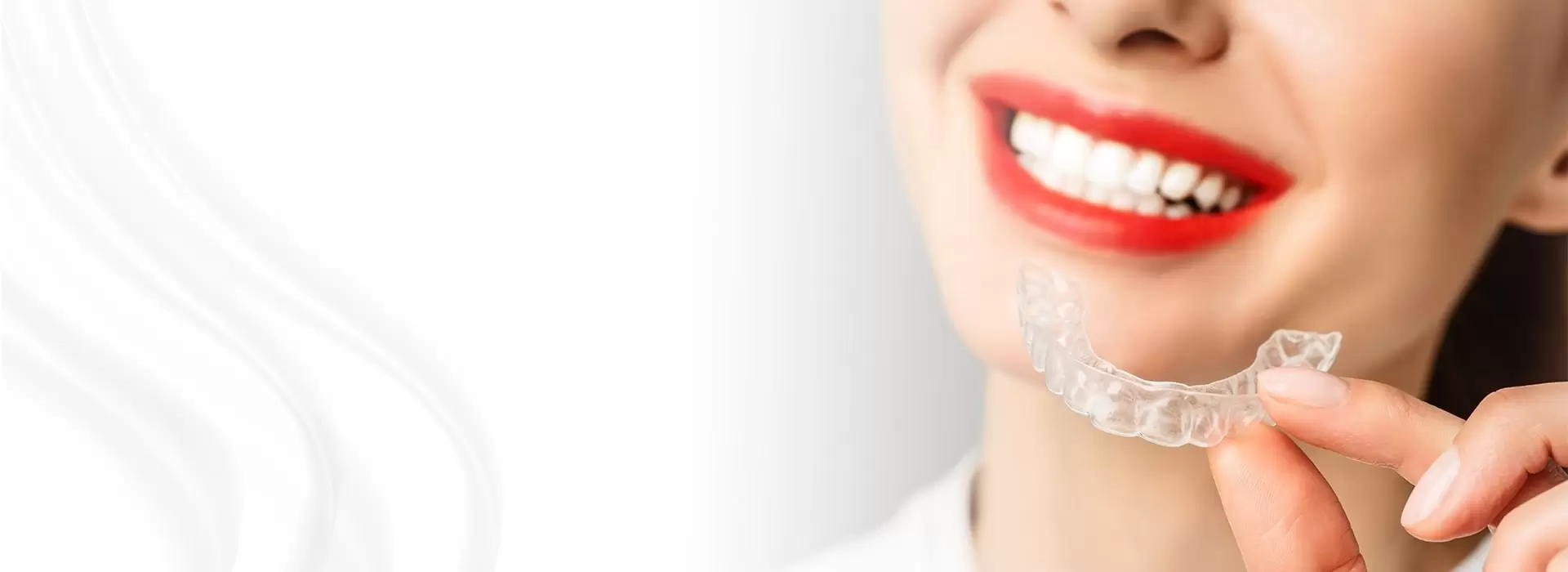
Snap-on veneers are removable dental appliances made to cover a row of teeth. They are generally manufactured from a resin or similar material and designed to improve the visible colour, shape or spacing of a smile without permanently altering the teeth. Some are made following dental impressions, while direct-to-consumer products may rely on home impression kits.
The main appeal is reversibility. A patient can remove the appliance for cleaning, eating or special occasions, and the treatment usually involves little or no tooth preparation. This can make snap-ons attractive for a short-term event, a trial appearance or someone who is not ready for irreversible treatment.
However, removable does not mean risk-free. A poor fit may rub the gums, trap food or affect speech. The appliance can also feel bulky, especially when a person is talking or chewing. It should be cleaned according to professional instructions, and the natural teeth still need brushing and flossing. Wearing a cover over untreated decay or gum disease may allow a problem to progress unnoticed.
How permanent veneers are placed
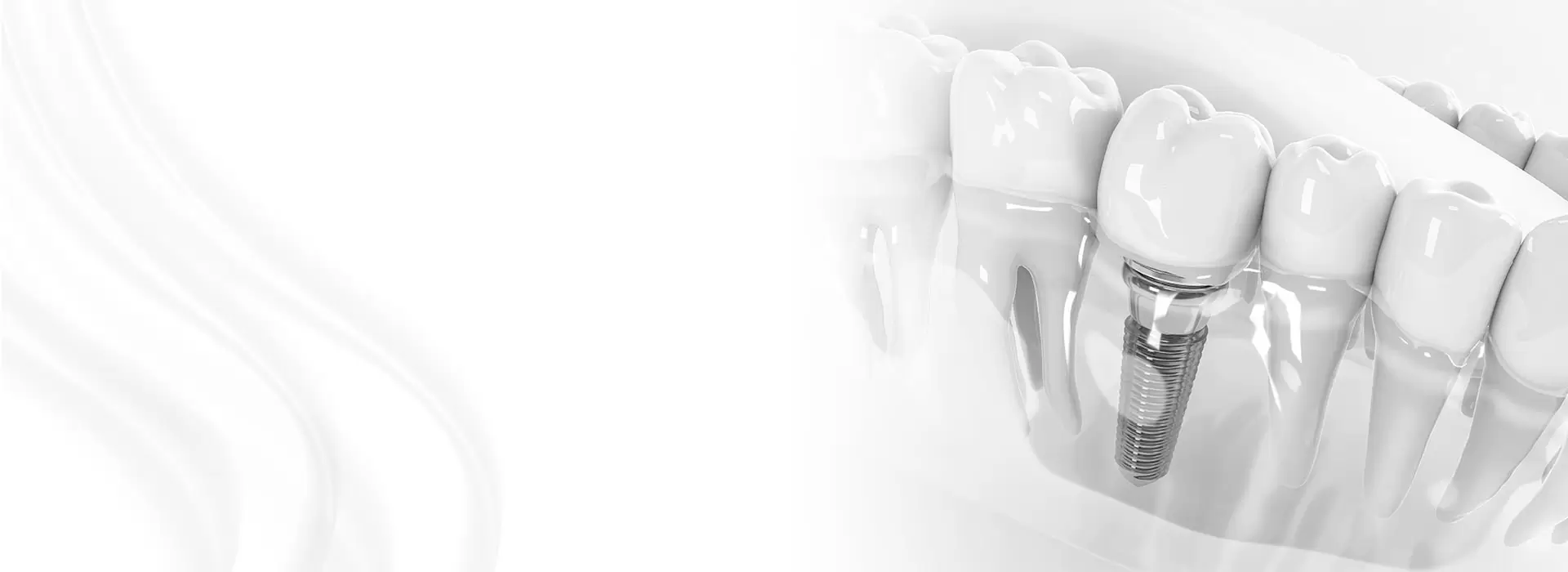
Permanent veneers are thin shells, most commonly porcelain or dental composite, bonded to the front of prepared teeth. The dentist first evaluates the bite, enamel, gums and the amount of tooth showing when the patient smiles. Digital planning, photographs, shade selection and temporary restorations may be used before the final veneers are made.
Porcelain veneers are valued for their translucency, stain resistance and polished appearance. Composite veneers can often be placed more quickly and may require less preparation, although they can be more susceptible to staining, chipping and wear. In either case, the final result depends on careful design and a stable foundation.
The word “permanent” means intended for long-term use rather than guaranteed to last forever. Some enamel may need to be removed, so replacement will usually be required if a veneer fails or reaches the end of its service life. Bruxism, nail biting, opening packages with the teeth and frequently chewing hard foods can shorten its lifespan. A night guard may be recommended for patients who grind.
Appearance, comfort and everyday care
Snap-on veneers can create an immediate change, but their result is usually less natural than a well-designed bonded restoration. Because the appliance sits over the teeth, it may alter lip support or make the smile appear unusually wide. Speech can feel different for the first few days, and some people notice extra saliva. It is best viewed as a removable cosmetic accessory rather than a replacement for comprehensive dental treatment.
Permanent veneers are shaped individually to suit facial proportions, gum contours and the patient’s preferred shade. A skilled dentist can preserve variation between teeth instead of producing an overly uniform “false” smile. They should feel like part of the teeth once the bite has been adjusted, although mild sensitivity can occur after preparation.
Daily habits still matter. Teeth beneath veneers remain vulnerable to decay at the margins, and gums need regular care. Patients who invest in whitening before or after treatment should understand that restorations do not lighten in the same way as natural enamel. Advice on how to keep your teeth white can help preserve a balanced shade around existing dental work.
Cost, travel and Australian considerations
Snap-on veneers generally have a lower upfront price, particularly when purchased online, but the cheapest option may provide limited clinical oversight. A custom appliance made after an in-person examination can cost more than a mail-order product. It may also need replacement if it cracks, warps or no longer fits after dental changes.
Permanent veneers require a larger initial investment because they involve diagnosis, preparation, laboratory work and bonding. In Australia, cosmetic procedures are often excluded or only partly reimbursed by private health funds, so patients should check their policy rather than assume “extras” cover will apply. Quotes should clarify whether examinations, X-rays, temporary veneers, laboratory fees and review appointments are included.
Travelling from Australia to Izmir can make treatment convenient for some patients, but it requires realistic scheduling. The flight from Perth, Sydney or Melbourne is long, and a patient may need time for examinations, preparation, fitting and any adjustments. Before returning home, request copies of treatment records, material details and aftercare instructions. It is also sensible to identify an Australian dentist for routine check-ups or urgent care if a problem occurs after the trip.
Australian patients should confirm that any treating clinician is appropriately registered and that the proposed treatment is suitable for their oral health. Advertising for direct-to-consumer cosmetic products is common, but an online impression kit cannot reliably assess gum inflammation, hidden decay, bite problems or the need for orthodontic treatment.
Choosing the right option for your smile
The best choice depends on the condition of the teeth and the purpose of treatment. Someone wanting a temporary cosmetic change for a wedding, work event or photographs may prefer a removable appliance. Someone seeking a stable alteration to worn, chipped or discoloured teeth may be a better candidate for professionally planned veneers. Neither option is suitable as a substitute for treating active disease.
A consultation should cover tooth preparation, expected shade, cleaning, food restrictions, repair options and likely longevity. Patients should also discuss whether clear aligners, whitening, bonding, crowns or gum treatment could produce a safer or more conservative result. For example, correcting tooth position before cosmetic work may reduce the need to remove enamel.
| Feature |
Snap-on veneers |
Permanent veneers |
| Placement |
Removable appliance worn over teeth |
Bonded to prepared tooth surfaces |
| Tooth preparation |
Usually minimal or none |
May involve enamel preparation |
| Appearance |
Immediate, but may look or feel bulky |
Customised and generally more natural |
| Eating and speaking |
May affect chewing or speech |
Usually functions like restored teeth |
| Maintenance |
Remove, clean and store regularly |
Brush, floss and attend dental reviews |
| Reversibility |
Generally reversible |
Usually an irreversible commitment |
| Typical use |
Temporary or trial cosmetic change |
Long-term smile improvement |
| Main concerns |
Poor fit, irritation, trapped food and breakage |
Sensitivity, chips, replacement and margin care |
| Cost pattern |
Lower initial cost in many cases |
Higher initial cost with laboratory and clinical fees |
A treatment plan should prioritise healthy gums, sound teeth and a comfortable bite before cosmetic appearance. A very bright shade may look striking on a screen but less natural in daylight, particularly when it contrasts with untreated lower teeth or existing crowns. Shade planning should account for the patient’s complexion, age, facial features and future dental work.
TruDent Clinics can assess whether removable snap-ons, porcelain veneers, composite bonding or another treatment is appropriate. Schedule a consultation in Izmir to receive a personalised evaluation, transparent treatment stages and practical aftercare guidance before committing to a new smile.