When Is the Right Age for Dental Implants?
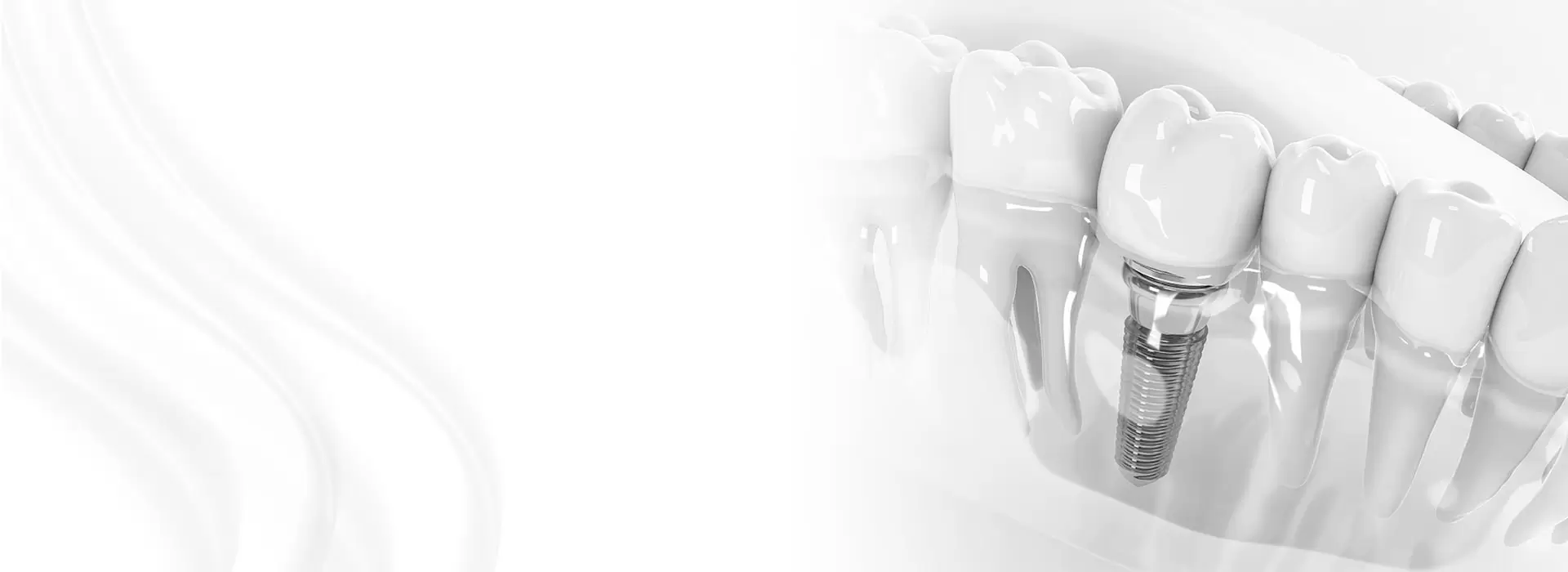
Losing a tooth can affect much more than appearance. Gaps may change the way you chew, place extra pressure on neighbouring teeth and gradually contribute to bone loss in the jaw. Dental implants offer a stable way to replace missing teeth, but deciding when to proceed depends on biological development, oral health and overall medical suitability.
For most adults, implant treatment is considered once the jaw has finished growing. This often means the late teenage years or early twenties, although the appropriate timing varies between individuals. There is no single birthday that makes someone automatically ready for an implant, and delaying treatment for many years is not always necessary or beneficial.
Older adults can also be excellent candidates. A person in their 50s, 60s, 70s or beyond may receive implants if their gums, jawbone and general health are suitable. A careful assessment, including dental imaging and a review of medications, helps determine whether an implant is appropriate and whether preparatory treatment is needed.
When Growth Has Finished
Dental implants are anchored into the jawbone, so the jaw must be fully developed before placement. If an implant is inserted while the face and jaws are still growing, the surrounding teeth and bone may continue to move while the implant remains fixed. This can affect its position, appearance and bite over time.
For this reason, dentists commonly wait until skeletal growth is complete. Many young adults reach this stage around 18 to 21, but the timing can differ between males and females and between individuals. A dental examination and relevant X-rays or three-dimensional scans provide more useful information than age alone.
Children and younger teenagers who lose a permanent tooth may be offered a temporary tooth replacement while they grow. Options can include a removable partial denture, a bonded bridge or another space-maintaining solution. The long-term implant plan can then be reviewed when jaw development is complete.
Age Matters Less Than Health
There is no strict upper age limit for dental implants. A healthy older patient with adequate bone and controlled medical conditions may be a stronger candidate than a younger person with untreated gum disease, heavy smoking habits or poorly controlled diabetes. The focus is on healing capacity, oral hygiene and the ability to maintain the restoration.
Medical history matters during planning. Blood-thinning medicines, osteoporosis treatments, immune conditions and previous radiation therapy can influence the procedure or healing period. These factors do not automatically prevent implant treatment, but the dentist may need to coordinate care with a GP or specialist before surgery.
Smoking deserves particular attention because it can reduce blood supply and increase the risk of gum problems, delayed healing and implant failure. Patients who smoke may be advised to stop before and after treatment. Improving brushing, flossing and professional cleaning habits also supports long-term implant success.
Bone And Gum Readiness
A missing tooth can cause the surrounding jawbone to shrink gradually because it no longer receives normal chewing stimulation. The longer a gap remains, the more likely it is that bone volume will need to be assessed before implant placement. This does not mean an older gap cannot be treated; it may simply require additional planning.
Bone grafting or sinus lifting may sometimes create the support needed for an implant. Gum disease must also be managed because active infection around natural teeth can threaten the tissues supporting an implant. A dentist will usually evaluate the gums, bite, adjacent teeth and available bone before recommending surgery.
The process may involve several stages: removal of a damaged tooth, a healing period, bone preservation or grafting, implant placement and attachment of a crown. Some patients may receive a temporary tooth during treatment, while others may need to wait for the implant to integrate with the bone. Timelines should be based on clinical findings rather than a standard package.
For people considering treatment overseas, a detailed assessment before travelling is especially valuable. A provider such as implant treatment options can discuss imaging, bone requirements and the likely sequence of care, helping patients understand what may be involved before booking flights.
Planning Treatment In Australia
Australian patients often weigh treatment timing against private dental fees, health-fund limits and travel. Medicare generally does not cover routine dental implants, while private extras cover may contribute only a limited amount and may involve waiting periods or annual caps. Checking the policy wording is important because implant surgery, the crown and scans may be billed separately.
Patients in Sydney, Melbourne, Brisbane, Perth or Adelaide can often arrange an initial examination locally before comparing treatment plans. People from regional Queensland, Western Australia or Tasmania may need to factor in flights, accommodation and follow-up visits. If treatment is completed in Turkey, a realistic plan should include enough time for appointments and a clear process for future maintenance in Australia.
Australian patients should request copies of scans, implant brand details, surgical notes and crown specifications. These records can help an Australian dentist provide future care if a screw loosens, the crown chips or the surrounding gums need attention. A low advertised price may not reflect the full cost when travel, temporary accommodation, additional procedures and follow-up are included.
Communication also matters. Ask who will perform each stage, what happens if bone grafting is required and how complications are managed after returning home. A straightforward discussion in plain English can prevent misunderstandings, especially when treatment involves several visits or multiple clinicians.
Choosing The Right Replacement
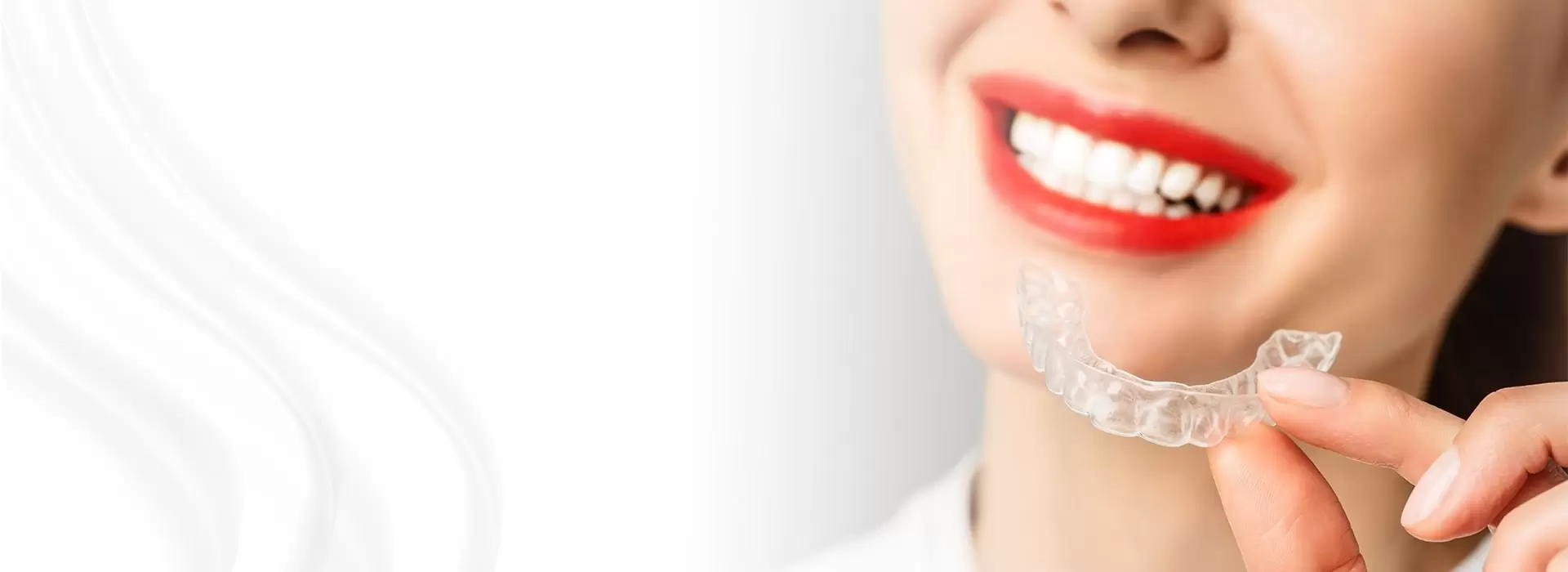
An implant is one option among several ways to replace a missing tooth. A dental bridge uses neighbouring teeth for support, while a removable partial denture can replace one or more teeth without surgery. The best choice depends on the location of the gap, the condition of adjacent teeth, budget, health and personal preferences.
Implants can feel and function similarly to natural teeth when they are well planned and maintained. They do require daily cleaning, regular dental reviews and attention to gum health. They are not immune to problems: inflammation around the implant, wear of the crown, bite forces and poor hygiene can all affect its lifespan.
The comparison below provides a general guide. It cannot replace an examination, because a tooth that appears suitable for an implant may require treatment for infection, gum disease or bone loss first.
| Replacement option |
Main advantages |
Main considerations |
Typical timing |
| Dental implant and crown |
Fixed, natural-looking and preserves chewing function |
Surgery, healing time and higher initial cost |
Several months, depending on bone and healing |
| Dental bridge |
Fixed replacement without implant surgery |
Uses or reshapes neighbouring teeth |
Often completed in a shorter period |
| Removable partial denture |
Usually more affordable and can replace several teeth |
May feel less secure and requires removal for cleaning |
Often made over a few appointments |
| Temporary replacement |
Maintains appearance while growth or healing continues |
Not usually a permanent solution |
Used during a planned treatment stage |
The ideal age to consider dental implants is generally after jaw growth has finished, but readiness is more important than reaching a particular number. A younger adult may need to wait, while an older adult may be ready now. The decision should account for gum health, bone volume, medical history, smoking, bite, expectations and the practicalities of long-term care.
Arrange a comprehensive consultation to assess the missing tooth, review your health history and compare replacement options. A personalised plan can clarify whether an implant, bridge, denture or staged treatment is the most suitable path for your smile and daily life.